• Auto
  • Travel
  • Health
  • Shopping
  • Finance
Home | Cat
10 ways to make cats use litter boxes

10 ways to make cats use litter boxes

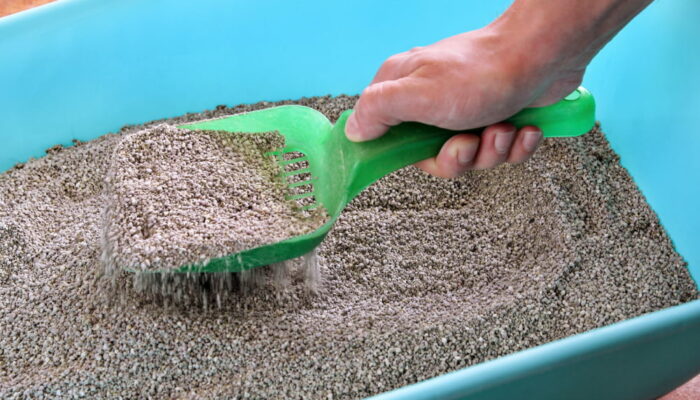
Adjusting a cat to its litter box can initially be a hassle for cat parents. While some cats become used to their litter boxes quickly and spend a lot of time in them, others may refuse to use these boxes, spoiling one’s carpets, floors, and other surfaces. However, strategically introducing litter boxes to cats can help them adjust quickly. So, here are some ways to introduce litter boxes to cats: Put it in the right location Cats are reserved creatures; they need their space and privacy. So, they may never get comfortable with it in a noisy room. That is why a quiet, isolated space with no interruptions is the right place to keep a litter box. Also, cats do not like defecating where they eat, so the litter box should be kept away from their dining areas. Encouragement techniques Rewards are great ways to train all animals, including cats. They will likely continue a habit when their owners praise or reward them. So, giving cats a treat or praising them when they use their litter box can help establish the habit properly. Choose a box depending on the cat’s height Choosing a litter box that is at least one and a half times the height of one’s cat is recommended.
Read More

FEATURED Articles

Things to Consider Before Purchasing a Mattress

Things to Consider Before Purchasing a Mattress

All About Age-related Macular Degeneration

All About Age-related Macular Degeneration

9 Laundry Detergents for Fresh Smelling Clothes

9 Laundry Detergents for Fresh Smelling Clothes

Tips to Manage Age-related Macular Degeneration

Tips to Manage Age-related Macular Degeneration

Foods to Eat and Avoid After Dental Implants

Foods to Eat and Avoid After Dental Implants

Atrial Fibrillation – Causes, Signs, and Remedies

Atrial Fibrillation – Causes, Signs, and Remedies

Most Popular

13 Tips to Make a Low-Vision Friendly Home

13 Tips to Make a Low-Vision Friendly Home

If you are one of the millions affected by macular degeneration, you must know that this degenerative eye disease can make everyday activities difficult. Even something as simple as reading a book or watching TV can be challenging. For example, you can do a few things to stay comfortably at home with low vision. In this article, we will share 13 tips on making a low-vision-friendly home to make everyday living easier. What is macular degeneration? It is a condition that impacts the macula, which is the central part of the retina, and occurs when the macula deteriorates or breaks down. Macular degeneration symptoms Symptoms of macular degeneration include blurred or distorted vision, difficulty reading or seeing fine details, and a change in color perception. If you experience any of these symptoms, you should see an eye doctor for a comprehensive dilated eye exam. Why does a low-vision-friendly home play a crucial part in patients with macular degeneration? A low-vision-friendly home design helps people with macular degeneration live as independently as possible while still enjoying their surroundings. In addition, it can provide them with a safe and functional environment to improve their contrast and visibility. Helpful tips for a low-vision friendly home Use bright and contrasting colors Using bright colors can help make objects more visible and easier to see.
Macular Degeneration – Causes, Symptoms, and More

Macular Degeneration – Causes, Symptoms, and More

Macular degeneration is a progressive disease that destroys the macula, the part of the eye that allows you to see fine details. It can make activities like reading, writing, and driving difficult or impossible. The disease typically occurs in older adults and can lead to blindness. While macular degeneration can be managed in its early stages, it has no cure. This article discusses the causes, risk factors, symptoms, and treatments of macular degeneration. What is macular degeneration? Macular degeneration is a disease of the retina, the light-sensitive layer at the back of your eye. There are two types of macular degeneration: dry and wet. The former develops when the macula dries out and loses its function. Wet macular degeneration is a result of new blood vessels under the retina leaking fluid or blood, causing vision loss. Symptoms of macular degeneration The symptoms of macular degeneration can develop differently in individuals, but here are the typical signs one must note. One of the main symptoms is a gradual loss of central vision, which can progress over time and may not be noticeable at first. Additional symptoms are difficulty reading small print or close-up objects, trouble seeing in dim light or when looking up from a low angle, problems with depth perception and peripheral vision, and poor night vision.
  • About Us
  • Contact Us
  • Privacy Policy
  • Advertiser Information
  • Terms of Service

© 2026 ResultsPoint.net. All Rights Reserved.

e