
DIY vs. Shop: Knowing Which Maintenance Tasks Are Safe to Do Yourself
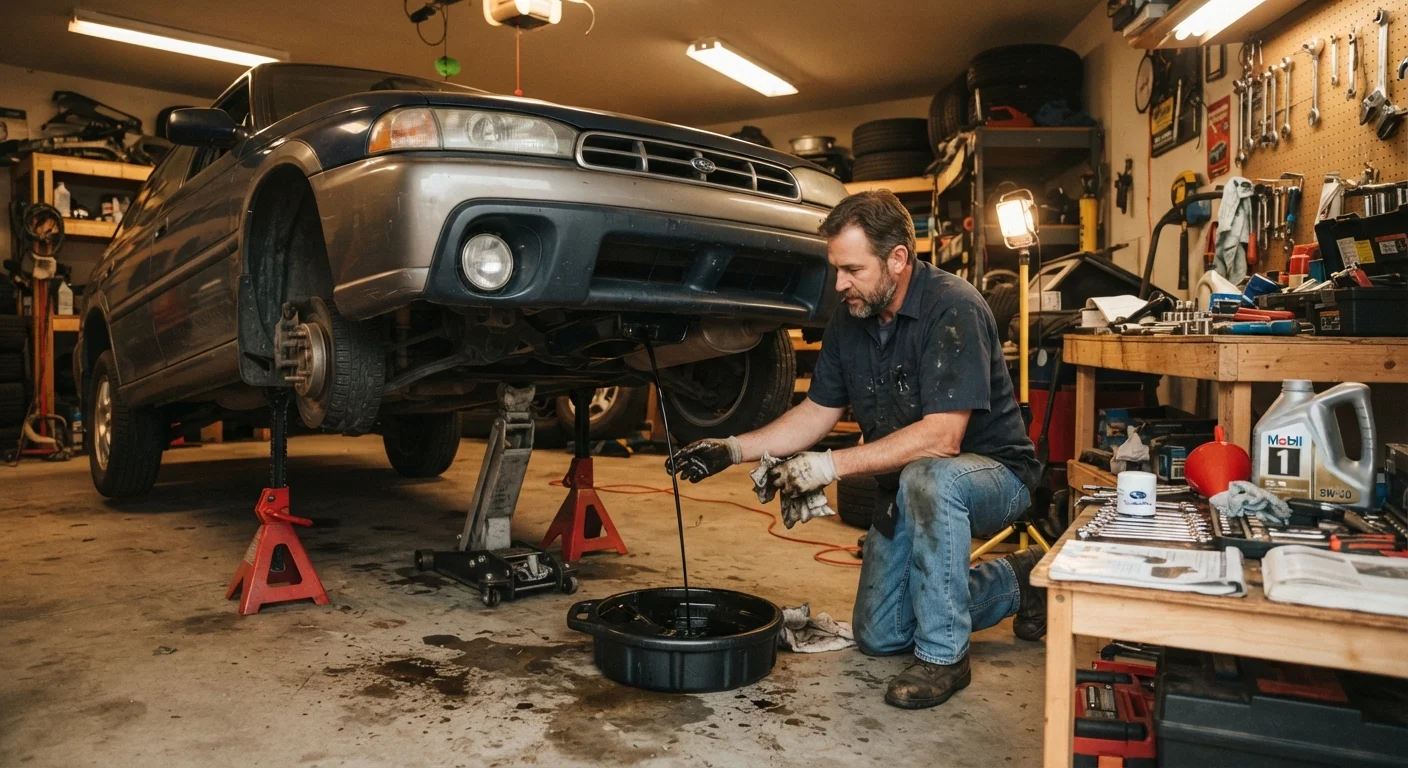
Photo credit: ResultsPoint.net | Find The Required Information
In this article
Some jobs are straightforward for careful home mechanics; others require professional tools and training. Here's how to tell the difference.
Key Takeaways
- Basic maintenance like oil changes, air filters, and wiper blades are generally safe for careful home mechanics.
- Jobs involving brakes, suspension, or advanced electrical systems typically require professional tools and training.
- The right call depends on your skill level, the tools you own, and the safety stakes of the task.
- A botched DIY repair can cost more to fix professionally than the original service would have.
Saves money on routine, low-complexity services
Labor charges for simple jobs like oil changes or air filters can exceed the cost of the parts themselves. Doing these yourself redirects that money elsewhere.
Builds familiarity with your own vehicle
Regularly working under the hood gives you a baseline for what looks and sounds normal, which can help you catch developing problems earlier.
Flexible scheduling on your own timeline
You don't need an appointment or a loaner car. For routine maintenance on a weekend, that convenience has real value.
High-quality parts of your choosing
When you source parts yourself, you control the quality tier — whether you prefer OEM-equivalent or a different specification recommended for your driving conditions.
Mistakes on safety systems can be dangerous
Errors on brakes, suspension, or steering don't just damage the car — they can create an unsafe vehicle that endangers you and others on the road.
Specialized tools add unexpected cost
Some jobs require torque-to-yield fasteners, specific socket sets, or calibration equipment. Buying tools for a single use can erase the savings quickly.
A botched repair often costs more to fix
When a DIY attempt goes wrong, a shop must first diagnose and undo the prior work before making the correct repair — adding labor time to the bill.
Modern vehicles have limited DIY access by design
Turbocharged engines, hybrid systems, and tightly packaged engine bays have reduced the workspace and simplified access points that older vehicles offered.
The Basic Question: What's Actually at Stake?
Before grabbing a wrench, ask one honest question: what happens if this goes wrong? That single filter separates smart DIY from a costly mistake. Changing a cabin air filter that you install incorrectly means a slightly reduced airflow until you fix it. Incorrectly reassembling a brake caliper means your brakes may fail at 60 mph.
Home mechanics have successfully handled their own maintenance for decades — and for good reason. Manufacturers design many service intervals around tasks that require only basic tools and a methodical approach. But modern vehicles also contain advanced driver-assistance systems, high-pressure fuel injection, and sophisticated electronics that respond poorly to improvisation.
The framework below isn't about gatekeeping. It's about matching the task to your actual skill level and equipment — honestly.
Tasks That Are Reasonable to DIY
The following jobs are widely considered accessible to careful, first-time home mechanics. They don't require specialized equipment beyond what's sold at a standard auto parts store, and most mistakes are immediately obvious before you drive.
Saves money on routine, low-complexity services
Labor charges for simple jobs like oil changes or air filters can exceed the cost of the parts themselves. Doing these yourself redirects that money elsewhere.
Builds familiarity with your own vehicle
Regularly working under the hood gives you a baseline for what looks and sounds normal, which can help you catch developing problems earlier.
Flexible scheduling on your own timeline
You don't need an appointment or a loaner car. For routine maintenance on a weekend, that convenience has real value.
High-quality parts of your choosing
When you source parts yourself, you control the quality tier — whether you prefer OEM-equivalent or a different specification recommended for your driving conditions.
- Engine air filter: Usually accessible under the hood with no tools at all. Consult your owner's manual for the correct replacement interval.
- Cabin air filter: Typically located behind the glove box. Most replacements take under 15 minutes.
- Wiper blades: Straightforward clip-in replacement. Replacement intervals vary, but many drivers change them annually.
- Oil and filter change: Requires jack stands or ramps, a drain pan, and the correct oil spec from your owner's manual. Follow torque specs for the drain plug.
- Battery replacement: Know the memory-saver procedure for your vehicle to avoid resetting electronic settings.
Even on DIY-friendly tasks, always consult your vehicle's owner's manual. Specs vary by make, model, and year — and following manufacturer guidance is non-negotiable.
Tasks That Belong in a Shop
Some jobs are technically possible for a determined home mechanic but carry risks that make professional service the wiser default. That's not a knock on your ability — it's a recognition that certain repairs depend on precision calibration, specialized tools, or safety stakes that raise the cost of a misstep sharply.
Mistakes on safety systems can be dangerous
Errors on brakes, suspension, or steering don't just damage the car — they can create an unsafe vehicle that endangers you and others on the road.
Specialized tools add unexpected cost
Some jobs require torque-to-yield fasteners, specific socket sets, or calibration equipment. Buying tools for a single use can erase the savings quickly.
A botched repair often costs more to fix
When a DIY attempt goes wrong, a shop must first diagnose and undo the prior work before making the correct repair — adding labor time to the bill.
Modern vehicles have limited DIY access by design
Turbocharged engines, hybrid systems, and tightly packaged engine bays have reduced the workspace and simplified access points that older vehicles offered.
- Brake system work: Rotors, calipers, and brake lines must be installed to exact torque specs. An error here is a safety emergency waiting to happen.
- Wheel alignment: Requires a computerized alignment rack. Driving on a misaligned suspension accelerates tire wear and affects vehicle handling.
- Transmission service: Fluid capacity, fill procedure, and pan torque specs vary significantly. Overfilling or underfilling can cause major damage.
- Timing belt or chain: An engine interference fit means one misaligned tooth can destroy the engine. This job demands experience and precision.
- Advanced diagnostics: A check-engine light can reflect dozens of possible causes. Consumer-grade OBD-II scanners read codes; they don't interpret them with the depth a shop-level scanner and trained technician can.
A Word on Emissions and Safety Systems
Federal and state regulations prohibit tampering with emissions control systems, including oxygen sensors, catalytic converters, and EGR valves. Similarly, airbag and ABS system repairs involve components that can cause serious injury if handled incorrectly. These are not areas for DIY experimentation — take them to a qualified technician.
How to Make the Call for Any Specific Job
When you encounter a maintenance item and aren't sure which category it falls into, walk through this quick checklist:
- Read the procedure in full first. Watch a walkthrough video for your specific vehicle. If you don't understand the steps after reviewing them carefully, that's useful information.
- Inventory the tools required. If the job calls for a specialized tool you don't own and won't use again, factor rental or purchase cost into your DIY savings calculation.
- Identify the failure mode. If you make a mistake, will you know immediately, or could you drive away unaware? The latter category deserves extra caution.
- Check for recalls or TSBs. Technical Service Bulletins (TSBs) from the manufacturer can indicate whether a repair has known complications worth knowing before you start.
The decision isn't always DIY vs. full-service shop. Many drivers handle the easy stuff themselves and bring their vehicle in for the rest — a practical middle ground that keeps costs reasonable without overextending their skill set. For a broader look at how to think through similar trade-offs in other areas of ownership, see weighing DIY vs. professional help or our guide on drawing the line on DIY repairs.
~$100
Typical shop labor cost for an oil change
Labor rates vary widely by region and shop type; a DIY oil change on many vehicles can be completed for the cost of oil and a filter alone.
30%
Of new-car owners report DIYing at least one task
Industry surveys consistently show a segment of owners handle routine maintenance themselves, particularly oil changes and filter replacements.

Author
Autos Editorial Team
Autos Editorial Team is the collective byline for our editorial team and contributor network. Articles published under this byline or an editorial pen name are researched, written, and reviewed according to our editorial standards for clarity, consistency, and independence before publication.
View all articles →