
Car Maintenance From Day One: A Complete Owner's Roadmap
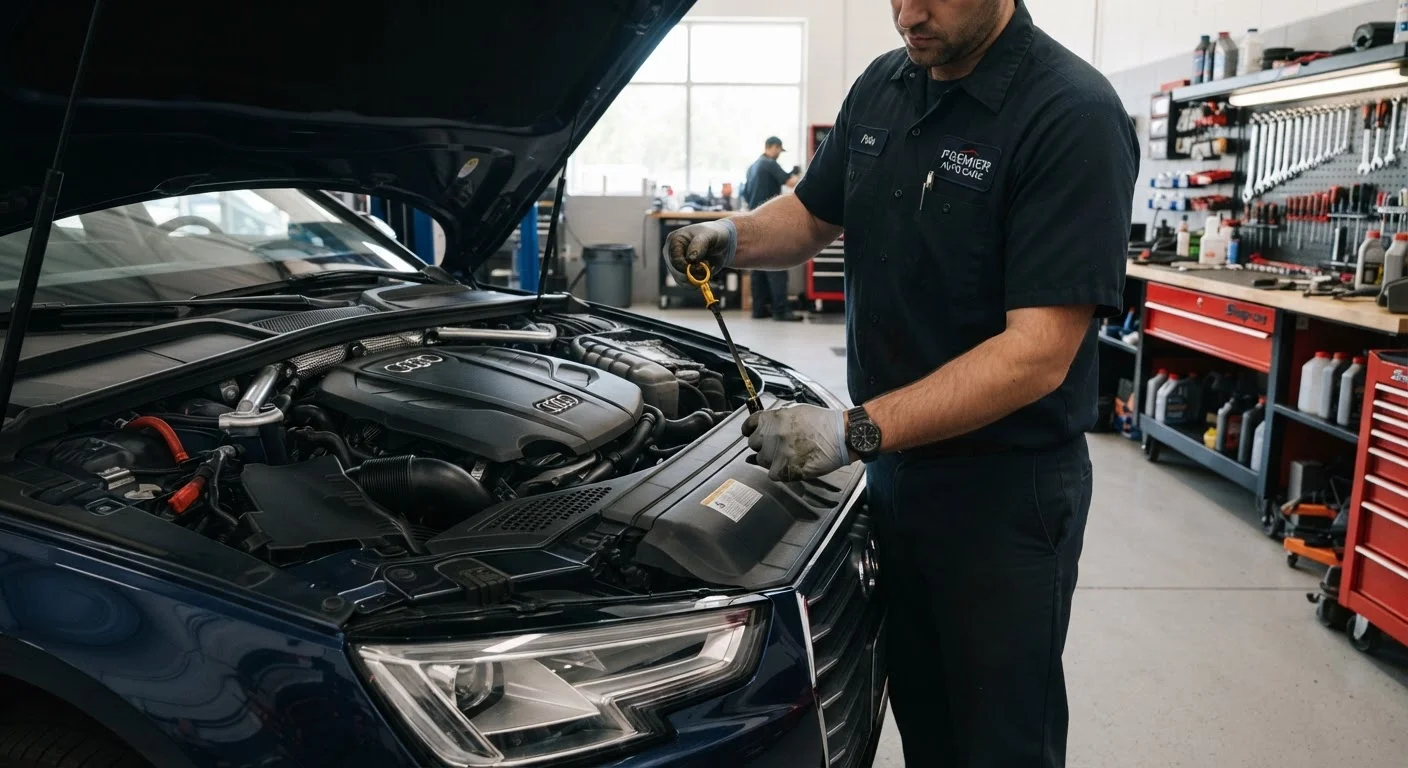
Photo credit: ResultsPoint.net | Find The Required Information
In this article
An end-to-end guide covering every major system — engine, brakes, tires, fluids, electrical — so you always know what to maintain and when.
Key Takeaways
- Your owner's manual sets the authoritative maintenance schedule - not myths or old rules of thumb.
- Tires, brakes, oil, and fluids are the four pillars of routine vehicle upkeep.
- Catching small problems early almost always costs less than emergency repairs.
- A consistent maintenance log protects resale value and helps diagnose future issues.
- Many routine checks take under five minutes and require no special tools.
Why a Maintenance Roadmap Matters
Most car problems don't arrive without warning - they build slowly through neglect. A brake pad wears down over thousands of miles. Coolant gradually loses its protective properties. A battery delivers weaker cranks for weeks before it finally dies. The driver who understands their vehicle's maintenance needs intercepts these problems early, before they become expensive failures.
This guide covers every major system you'll need to maintain as a car owner, explains what each service actually does, and tells you how to know when it's due. It's grounded in manufacturer guidelines and industry-standard practices, not folklore. Think of it as the framework that makes your owner's manual easier to act on.
For a broader look at the financial and administrative side of ownership - insurance, registration, and ongoing costs - see our complete car ownership resource.
35%
Of roadside breakdowns are preventable
According to AAA, a significant share of vehicle breakdowns involve issues that routine maintenance - such as tire care and battery checks - could have caught beforehand.
3-5 years
Typical car battery lifespan
Most automotive industry sources cite three to five years as the average service life of a standard lead-acid car battery under normal conditions.
$0.09/mile
Average maintenance cost per mile
AAA's annual 'Your Driving Costs' study estimates routine maintenance runs approximately 9 cents per mile on average for a typical new vehicle.
Engine Oil and Filters
Engine oil lubricates moving metal parts, reduces heat, and carries contaminants away from critical surfaces. As oil ages, it breaks down and becomes less effective - which is why changing it on schedule is the single most impactful thing you can do for engine longevity.
Most modern vehicles using full synthetic oil follow a 7,500-10,000-mile interval, while older engines or those using conventional oil may require changes every 3,000-5,000 miles. The only reliable source for your specific interval is your owner's manual or the manufacturer's maintenance guide - not a sticker on your windshield or a general rule. Many newer vehicles also include an oil life monitoring system that calculates the change interval based on actual driving conditions.
The oil filter traps particles that oil picks up during normal operation. It's typically replaced at every oil change.
Pull out your owner's manual and find the maintenance schedule section before you rely on any third-party recommendation. Manufacturer intervals are set by engineers who designed the engine - they're more accurate than generalized advice.
Oil change intervals in particular vary significantly by vehicle, fuel type, and oil specification. Following the wrong interval can either waste money or allow oil to degrade past its useful life.
When you change your oil, use the five minutes while the drain plug is still out to check all your other fluid levels and do a quick visual on your tires. Bundling checks saves time and builds a consistent habit.
Experienced technicians use every service visit as an opportunity to scan for emerging issues. Catching a low coolant level during an oil change takes seconds and prevents a potentially damaging overheat.
Tires: Pressure, Rotation, and Replacement
Tires are your vehicle's only contact with the road, which makes them central to both safety and fuel efficiency. Three habits keep them in good shape:
- Check pressure monthly. The correct pressure is printed on a sticker inside the driver's door jamb - not on the tire sidewall (that figure is the maximum, not the target). Under-inflated tires wear unevenly, reduce fuel economy, and handle poorly.
- Rotate every 5,000-7,500 miles. Front and rear tires wear at different rates depending on drive configuration and steering load. Rotation evens out that wear and extends the set's overall life.
- Know when to replace. The industry-standard tread-depth wear indicator is 2/32 of an inch. A quick check: insert a penny into the tread groove with Lincoln's head pointing down - if you can see the top of his head, the tire needs replacing. Many safety experts recommend replacing at 4/32 for better wet-weather performance.
Pair your tire habits with a seasonal maintenance checklist to catch pressure drops that come with temperature changes each fall.
Don't Ignore a TPMS Warning Light
The tire pressure monitoring system (TPMS) light indicates one or more tires are significantly underinflated - typically 25% or more below the recommended pressure. At that level, handling and stopping distance are meaningfully impaired. Stop and check pressure as soon as it's safe to do so rather than waiting until your next fill-up.
Brakes and Brake Fluid
Brake pads press against rotors to slow the vehicle. As pads wear, the friction material thins - most pads have a wear indicator that produces a high-pitched squeal when the pad approaches its minimum thickness. A grinding metal-on-metal sound typically means the pad is fully worn and the rotor is being damaged. Both sounds warrant prompt inspection by a qualified mechanic.
Brake pad life varies widely - anywhere from 25,000 to 70,000 miles - depending on driving style, vehicle weight, and terrain. City driving with frequent stops wears pads faster than highway driving.
Brake fluid is hygroscopic, meaning it absorbs moisture from the air over time. Moisture lowers the fluid's boiling point, which can cause reduced braking performance under heavy use. Most manufacturers recommend flushing brake fluid every two years or per the owner's manual interval, regardless of mileage.
Any maintenance involving brake system components should be inspected and performed by a qualified mechanic if you are not experienced with brake work. Brake failure is a serious safety hazard.
Essential Fluids Beyond Oil
A modern vehicle circulates several fluids, each performing a specific function. Letting any of them degrade or run low can damage expensive components.
- Coolant (antifreeze)
- Regulates engine temperature and prevents freezing or boiling in extreme conditions. Most manufacturers recommend a flush every 30,000-50,000 miles or every two to five years. Check the level when the engine is cold.
- Transmission fluid
- Lubricates the transmission's internal components. Automatic transmissions typically require a fluid change every 30,000-60,000 miles; consult your manual. Some vehicles have sealed transmissions that require dealer service.
- Power steering fluid
- Hydraulic systems need fluid at the correct level to operate smoothly. Electric power steering systems (common in newer vehicles) don't use fluid at all.
- Windshield washer fluid
- Not mechanical, but visibility is safety - keep the reservoir full and use a fluid rated for your climate.
For a deeper look at the costs associated with keeping all these systems serviced, our guide on the financial side of car ownership breaks down what to budget for.
Battery and Electrical System
A car battery typically lasts three to five years. Warning signs of a weakening battery include slow engine cranking, a battery warning light, or electronics behaving erratically. Many auto parts stores will test your battery for free - it's worth doing annually once the battery passes the three-year mark.
The alternator charges the battery while the engine runs. If the alternator fails, the battery drains even while driving. A charging system warning light or dimming headlights at idle can point to alternator issues.
Beyond the battery, the electrical system includes fuses (which protect circuits from overload), relays, and the starter motor. Blown fuses are the most common minor electrical problem and are covered in detail in your owner's manual with a fuse diagram.
Extreme Temperatures Shorten Battery Life
Both very hot and very cold climates accelerate battery degradation. Drivers in the Sun Belt often see shorter battery lives due to heat exposure, while cold-weather drivers face harder starts that draw more from an aging battery. If you live in a climate with temperature extremes, consider testing your battery annually starting at the two-year mark rather than three.
Building Your Maintenance Schedule
The most practical tool you can build is a simple maintenance log - a notebook, a spreadsheet, or a free app - that records every service with the date and odometer reading. This gives you an at-a-glance view of what's due, provides documentation that adds to resale value, and helps a mechanic diagnose problems faster.
Structure your schedule around three time horizons:
- Monthly: Tire pressure, visual inspection of lights, check washer fluid.
- Every 5,000-10,000 miles: Oil and filter change (per your manual's interval), tire rotation.
- Annually or per mileage: Brake inspection, battery test, coolant level, air filter, cabin air filter, wiper blades.
If your vehicle is approaching higher mileage, the maintenance calculus shifts somewhat - see our guide on keeping high-mileage vehicles on the road for what changes after 100,000 miles.
Also keep your paperwork organized alongside your service records. Our article on staying on top of vehicle paperwork walks through title storage, renewal reminders, and the documents that matter most.
This article provides general educational information about vehicle maintenance. Always consult your vehicle's owner's manual and a qualified mechanic for guidance specific to your car and situation.

Author
Autos Editorial Team
Autos Editorial Team is the collective byline for our editorial team and contributor network. Articles published under this byline or an editorial pen name are researched, written, and reviewed according to our editorial standards for clarity, consistency, and independence before publication.
View all articles →