
Staying on Top of Vehicle Paperwork as a Car Owner
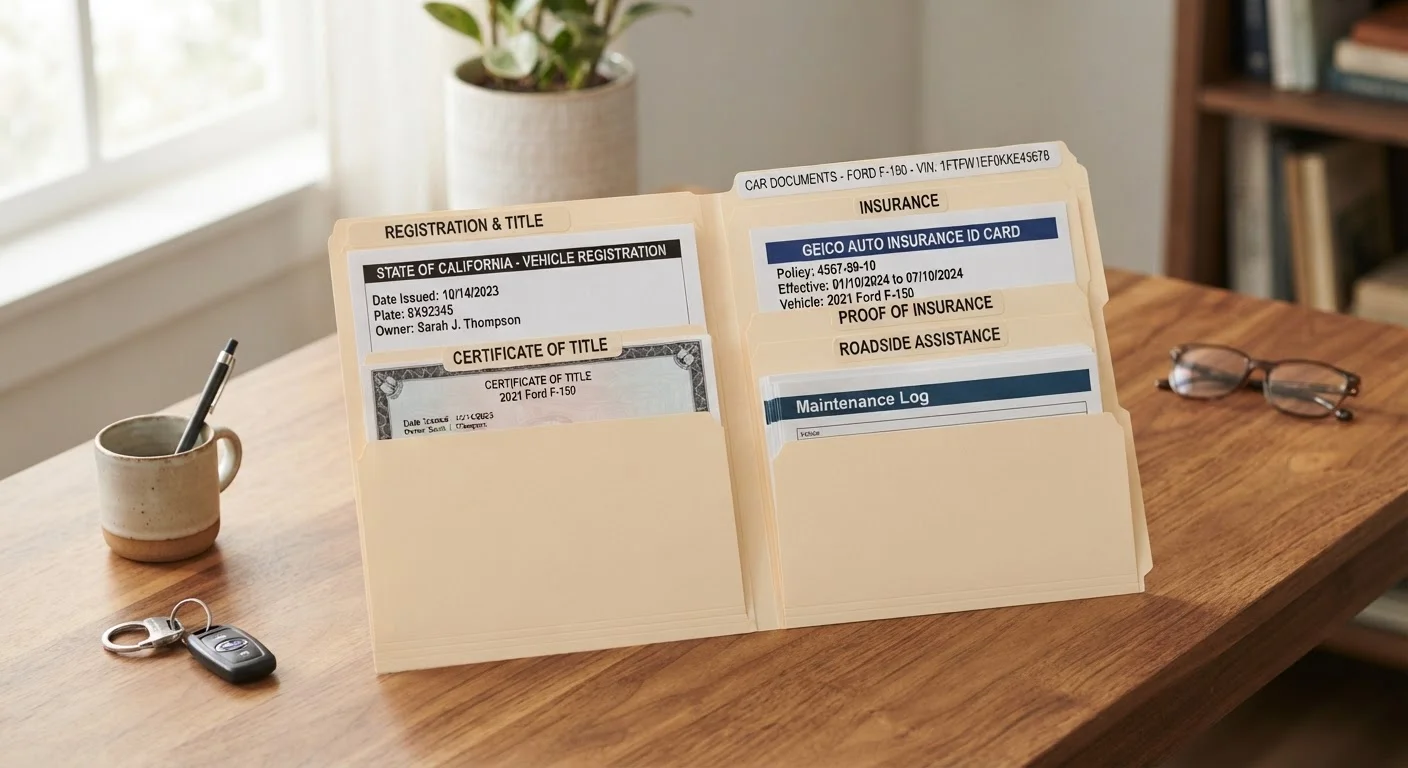
Photo credit: ResultsPoint.net | Find The Required Information
In this article
From renewal reminders to title storage, organized vehicle records protect you legally and financially. Here's how to manage them well.
Key Takeaways
- Your vehicle title, registration, and insurance card are legally required documents — losing them can create serious problems.
- Setting calendar reminders for renewal deadlines prevents lapses that can result in fines or legal exposure.
- Storing digital backups of key documents gives you a safety net if originals are lost or damaged.
- A simple filing system at home — physical or digital — is enough to stay consistently organized.
Why Vehicle Paperwork Deserves Your Attention
Most drivers don't think about their vehicle paperwork until something goes wrong — a traffic stop, a title dispute, or a lapsed registration notice in the mail. By then, the problem is already costing you time or money. Managing your car documents proactively is one of the lowest-effort, highest-payoff habits you can build as a vehicle owner.
The core documents every car owner should know are the title (proof of ownership), the registration (proof the vehicle is legally allowed on public roads), and proof of insurance. Beyond those, maintenance records and loan documents round out the full picture. For a deeper look at why registration matters legally, see what vehicle registration actually means.
Store your title somewhere secure and off-vehicle at all times.
Your vehicle title is the legal proof that you own the car. If it's stolen with the vehicle or destroyed in an accident, replacing it requires navigating your state's DMV — a process that takes time and varies in complexity. Keeping it at home in a fireproof document box or safe protects you from that scenario.
Set calendar reminders for every renewal deadline — registration, insurance, and inspection.
Most states require annual or biennial registration renewal, and insurance policies renew on a fixed cycle. Missing these deadlines can mean fines, a lapsed policy, or driving illegally without realizing it. A recurring digital reminder set 30 days before each due date gives you enough lead time to act.
Keep digital backups of your key documents using a secure app or cloud folder.
Paper documents can be lost, damaged by water, or destroyed in a car fire. A scanned copy or photo stored in a secure, password-protected location means you always have a reference, even if you never need to produce the digital version officially.
Maintain a running log of service and repair work performed on your vehicle.
A documented service history increases resale value, helps mechanics diagnose recurring issues faster, and keeps warranty claims on solid ground. Without records, you're relying on memory — which gets less reliable the older the car gets.
Update your title and registration promptly after any change of address or ownership transfer.
Driving on an out-of-date registration address isn't just an administrative oversight in some states — it can complicate insurance claims or create title transfer headaches when you sell. Most states require address updates within a set window, often 30 days.
Quick Wins You Can Act On Today
You don't need a filing cabinet or special software to get organized. A few targeted actions can dramatically reduce your paperwork stress right now.
Building a System That Holds Up Long-Term
One-time organization is a good start, but the real goal is a system that keeps running with minimal upkeep. Think of it like scheduled car maintenance — a little attention on a regular basis prevents much bigger problems later. A complete owner's maintenance roadmap applies the same logic to mechanical upkeep.
State Requirements Vary Significantly
Document rules — what you must carry, how long you have to update your address, and what renewal looks like — differ from state to state. Always verify requirements with your state's Department of Motor Vehicles (DMV) rather than assuming your previous state's rules apply. Moving across state lines typically triggers a new registration and title transfer requirement within a defined timeframe.
For what to keep physically in your vehicle at all times — including the documents a police officer or emergency responder would ask for — see what to keep in your glove box. If you're also navigating the broader financial side of ownership, the financial side of owning your first car is a useful companion read.
This article is for general informational purposes only and does not constitute legal or financial advice. Requirements for vehicle documentation vary by state. Consult your state's DMV or a qualified professional for guidance specific to your situation.

Author
Autos Editorial Team
Autos Editorial Team is the collective byline for our editorial team and contributor network. Articles published under this byline or an editorial pen name are researched, written, and reviewed according to our editorial standards for clarity, consistency, and independence before publication.
View all articles →