
Air Filters, Cabin Filters, and Fuel Filters: A Driver's Field Guide
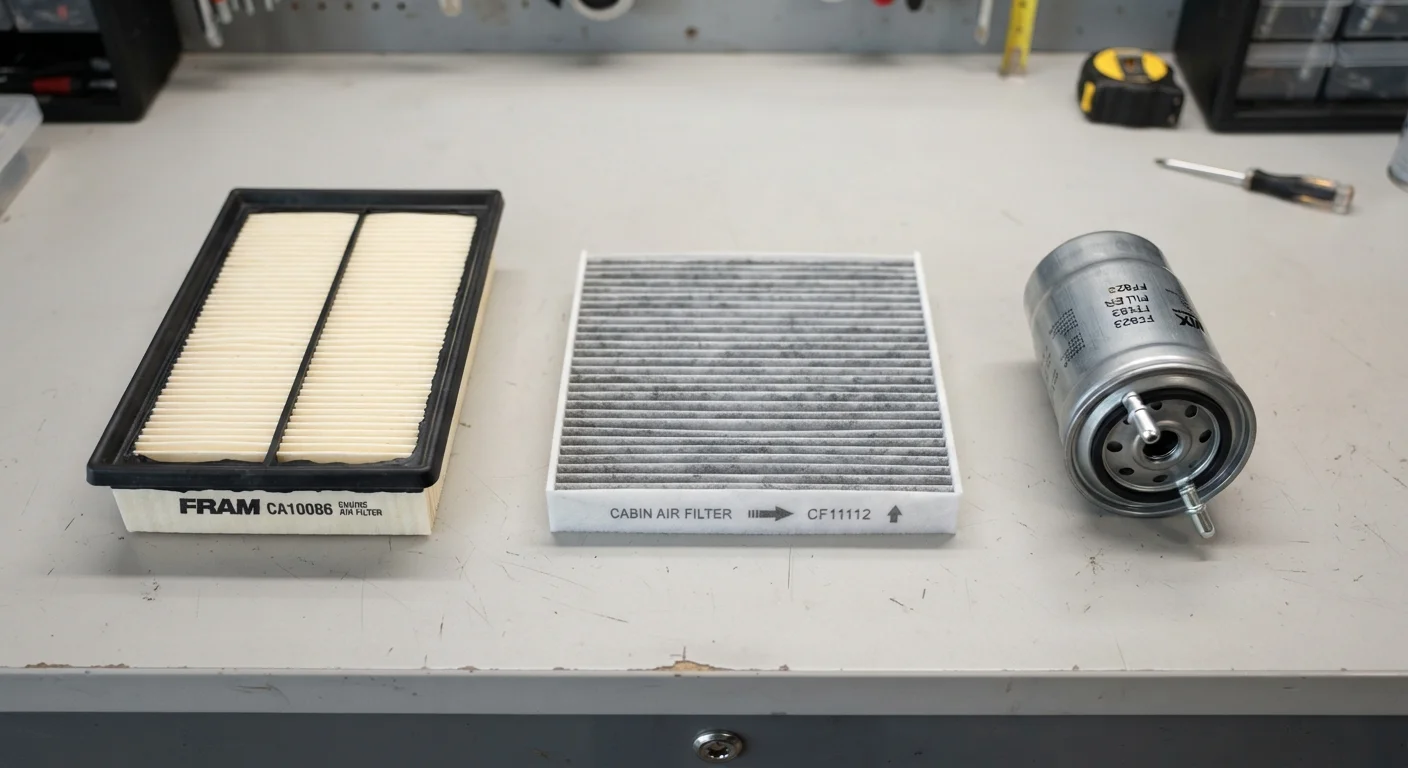
Photo credit: ResultsPoint.net | Find The Required Information
In this article
Three common filters, three different jobs. Learn what each one protects, how often it needs attention, and what a clogged filter actually affects.
Why Filters Matter (and What Happens When They're Ignored)
Your car relies on three separate filtration systems that most drivers rarely think about until something goes wrong. Each filter guards a specific part of the vehicle - the engine's air intake, the passenger compartment, and the fuel system - and each one degrades on its own schedule. Letting any of them go too long doesn't just lower performance; in some cases it can cause measurable damage.
Understanding what each filter actually does is the fastest way to stay ahead of maintenance. Think of this as a field guide: concise, practical, and built for looking up the specific filter you need to know about right now.
| Engine air filter interval | 15,000-30,000 miles (typical) (Varies by manufacturer and driving conditions) |
| Cabin air filter interval | 15,000-25,000 miles (typical) (Check owner's manual; high-pollen areas may require sooner) |
| Fuel filter interval (external) | 20,000-40,000 miles (typical) (Many modern in-tank filters are designated lifetime components) |
| Best interval reference | Owner's manual (Overrides all general estimates for your specific vehicle) |
| Cabin filter location | Behind glove box or under dashboard (most vehicles) |
| Fuel filter safety note | Involves pressurized fuel lines - consider professional service |
For a broader look at what keeps your engine healthy, see The Fluids Under Your Hood and Why Each One Matters - it pairs well with this guide.
Engine Air Filter: The First Line of Defense
The engine air filter sits between the outside air and your engine's intake. Its job is to trap dust, pollen, insects, and road debris before that air mixes with fuel in the combustion chamber. A clean filter lets the engine breathe freely; a clogged one restricts airflow and forces the engine to work harder.
What a clogged engine air filter causes:
- Reduced acceleration and throttle response
- Slightly higher fuel consumption in severe cases
- Rough idling or hesitation on startup
- In extreme neglect, debris entering the engine and damaging cylinders or pistons
Typical replacement interval:
Most manufacturers recommend every 15,000-30,000 miles, but dusty or unpaved driving environments can cut that interval significantly. Always check your owner's manual - it's the authoritative source for your specific vehicle.
DIY-friendly? Yes, for most vehicles. The air filter housing is usually accessible without tools. That said, if you're unsure about your vehicle's intake layout, a quick inspection at an oil change visit costs nothing extra.
Engine air filter
A replaceable filter, usually made of pleated paper or cotton gauze, that removes airborne particles from the air entering the engine's intake before combustion.
Cabin air filter
A filter installed in the vehicle's HVAC duct system that cleans air circulated into the passenger compartment, capturing pollen, dust, and fine particulates.
Fuel filter
A filter placed in the fuel line or inside the fuel tank that removes contaminants from gasoline or diesel before it reaches the injectors or carburetor.
Fuel injector
A precision valve that sprays a controlled amount of fuel into the engine's intake or combustion chamber. Contaminated fuel can clog injector nozzles and reduce engine performance.
HVAC system
Heating, Ventilation, and Air Conditioning - the system that controls temperature and airflow inside a vehicle's cabin. The cabin air filter is part of this system.
Inline fuel filter
An external fuel filter mounted along the fuel line between the tank and the engine, typically replaceable as a standalone service item.
Cabin Air Filter: What You and Your Passengers Breathe
The cabin air filter cleans the air flowing through your car's heating, ventilation, and air conditioning (HVAC) system. It catches pollen, mold spores, fine dust, and exhaust particulates before they reach the interior. Unlike the engine air filter, a clogged cabin filter doesn't threaten mechanical components - but it does affect air quality and HVAC performance.
Signs the cabin filter needs attention:
- Reduced airflow from vents even at high fan settings
- Musty or stale odor when the heat or AC is running
- Increased allergy symptoms inside the car
- Visible dust or debris accumulation on the filter itself
Typical replacement interval:
Generally every 15,000-25,000 miles, or roughly once a year for average drivers. Urban driving and high-pollen seasons can shorten this. Cabin filters are also part of a smart seasonal check - they appear on the Seasonal Maintenance Checklist for Year-Round Reliability.
DIY-friendly? Often yes. Most cabin filters are located behind the glove box or under the dashboard, accessible with minimal disassembly. Check your owner's manual for location and access instructions.
Fuel Filter: Protecting the Injection System
The fuel filter removes contaminants - rust particles, sediment, and debris - from the fuel before it reaches the fuel injectors or carburetor. Contaminated fuel can clog injectors and damage the fuel pump, both expensive repairs. On modern vehicles, the fuel filter is often integrated into the fuel pump assembly inside the tank, which changes the service picture.
What a restricted fuel filter can cause:
- Hard starts or extended cranking before the engine fires
- Sputtering or stumbling at highway speeds
- Engine surging or irregular idle
- In severe cases, a no-start condition
Typical replacement interval:
Vehicles with an external inline fuel filter typically call for replacement every 20,000-40,000 miles. Many modern vehicles with in-tank filters designate them as lifetime components - though that assumes clean fuel and normal operating conditions. Confirm the spec in your owner's manual.
DIY-friendly? External filters can be straightforward, but fuel system work involves pressurized lines and flammable vapors. If you haven't done this before, having a qualified mechanic handle it is the safer choice.
Fuel System Work Warrants Extra Caution
Replacing an external fuel filter involves depressurizing the fuel system and disconnecting pressurized lines that carry flammable liquid. Small mistakes can result in fuel leaks or fire risk. If you haven't performed this task before, consult your vehicle's service manual carefully or have a qualified mechanic handle it. This is one maintenance item where professional service is a reasonable choice regardless of your general DIY comfort level.
Staying current on filters is part of the same routine maintenance mindset discussed in Oil Change Myths That Drivers Keep Believing - small, regular attention prevents larger problems.

Author
Autos Editorial Team
Autos Editorial Team is the collective byline for our editorial team and contributor network. Articles published under this byline or an editorial pen name are researched, written, and reviewed according to our editorial standards for clarity, consistency, and independence before publication.
View all articles →