
Caulking, Weatherstripping, and Sealing: Knowing Which Gap Needs What
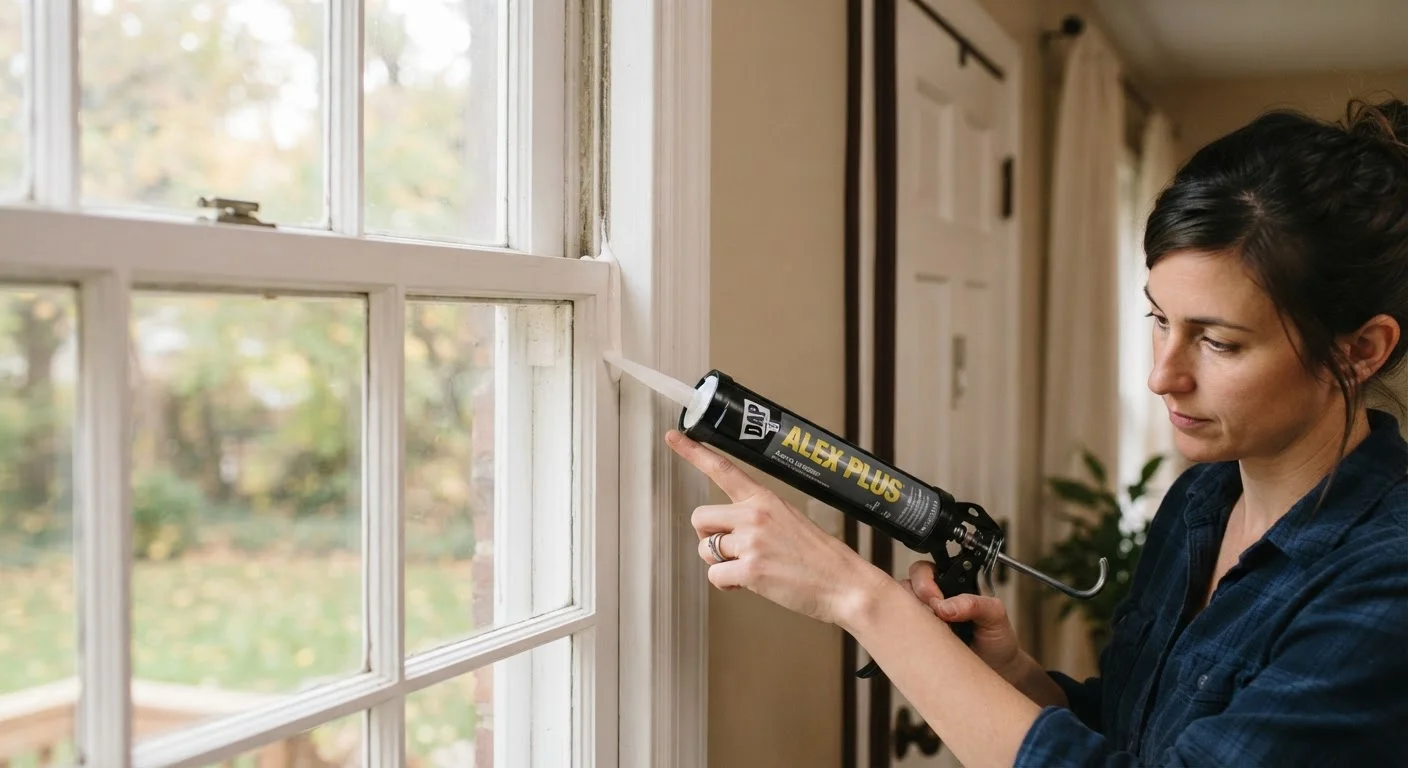
Photo credit: ResultsPoint.net | Find The Required Information
In this article
Not every gap or crack calls for the same fix. Learn when to reach for caulk, weatherstripping, or foam sealant.
Key Takeaways
- Caulk works best on stationary cracks and gaps around window frames, pipes, and baseboards.
- Weatherstripping belongs on moving parts — doors and operable windows — where surfaces compress and release.
- Expanding foam sealant fills large, irregular voids where caulk can't reach or adhere reliably.
- Using the wrong material for a gap can make it fail faster, wasting both time and effort.
- A seasonal walkthrough helps you catch gaps early before they become energy or moisture problems.
Why the Right Material Matters
Walk around any home and you'll find gaps of all shapes, sizes, and locations — the thin line where a window frame meets drywall, the soft crunch under an exterior door, the rough hole where a pipe disappears into the wall. Each of those openings lets conditioned air escape and outside air sneak in, but they don't all call for the same fix.
Reaching for caulk when you need weatherstripping — or foam when a gap only needs a thin bead of sealant — often leads to a repair that looks wrong, fails quickly, or makes the problem harder to fix later. Understanding what each material is designed to do takes only a few minutes and saves real frustration.
For a broader look at where gaps tend to appear across your home, a seasonal home walkthrough checklist can help you spot issues room by room before each season changes.
Caulk: The Workhorse for Stationary Gaps
Caulk is a flexible sealant that cures into a rubbery or paintable bead, making it ideal for gaps that don't move. Think of the seam between a window frame and the surrounding wall, the joint where a bathtub surround meets tile, or where a pipe enters a wall cavity. These surfaces sit still once the house settles — caulk bonds to both sides and holds.
Common caulk types you'll encounter:
- Acrylic latex caulk — paintable and easy to clean up with water; suited for interior trim, baseboards, and window frames indoors.
- Silicone caulk — highly water-resistant and flexible; used in wet areas like sinks, tubs, and exterior window edges, but harder to paint over.
- Siliconized latex (hybrid) caulk — combines paintability with improved moisture resistance; a versatile middle-ground for interior and light exterior use.
Where caulk fails: if you apply it to a door jamb or an operable window sash — surfaces that open, close, and flex — the constant movement will crack the bead within a season. That's where weatherstripping takes over.
Clean the Surface Before You Seal
Caulk and weatherstripping adhesive both need a clean, dry surface to bond properly. Remove old caulk with a plastic scraper or caulk remover tool, then wipe the area with a dry cloth before applying anything new. Applying fresh caulk over a dirty or damp surface is one of the most common reasons it peels within a season.
Weatherstripping: Built for Moving Parts
Weatherstripping is a compressible material that seals the gap between a movable surface (a door or window sash) and its fixed frame. Every time the door closes, the weatherstripping compresses to fill the gap; when it opens, the material springs back. Caulk cannot do this — it's rigid once cured and will tear.
Common weatherstripping forms:
- Foam tape — self-adhesive, inexpensive, and easy to install on window channels and the stops of interior doors; wears out faster under heavy use.
- V-strip (tension seal) — a folded strip of plastic or metal that presses against the side of a door or window; durable and low-profile once installed.
- Door sweeps — attach to the bottom of exterior doors to seal the gap between the door bottom and the threshold; available in brush, rubber, or silicone profiles.
- Door and window bulb seals — a tubular rubber or vinyl profile stapled or nailed to the door stop; creates a reliable compression seal on exterior doors.
For a deeper comparison of when caulk and weatherstripping overlap — particularly around window frames — see our guide on sealing drafts the right way.
Expanding Foam: For Large or Irregular Voids
Neither caulk nor weatherstripping works well when the gap is large, oddly shaped, or deep — such as the space around a dryer vent, a rim joist cavity in an unfinished basement, or where structural settling has opened a gap too wide for a thin bead. That's where expanding polyurethane foam sealant fits in.
Foam expands as it cures to fill irregular shapes, then hardens into a rigid, insulating mass that blocks both air and moisture. A few important caveats:
- Use minimal-expanding foam around door and window frames — standard foam can bow the frame as it expands.
- Foam is not paintable until it's fully cured and trimmed flush, so plan the sequence of your work accordingly.
- Once cured, foam is brittle and cannot handle repeated movement — don't use it anywhere surfaces flex or open.
| Caulk | Weatherstripping | Expanding Foam | |
|---|---|---|---|
| Best for | Stationary cracks and seams | Moving doors and windows | Large or irregular voids |
| Handles movement | No — cracks if flexed | Yes — designed to compress | No — brittle when cured |
| Paintable | Yes (latex types) | Usually not | Yes, after trimming and curing |
| Moisture resistance | High (silicone) / Moderate (latex) | Varies by material | High when fully cured |
| Skill level needed | Beginner | Beginner to intermediate | Beginner — but needs care |
| Typical lifespan | 5–10 years (proper application) | 2–5 years with regular use | 10+ years in protected spots |
If you're tackling larger cold-weather preparation, combining all three materials strategically is covered in our guide to winterizing your home without a contractor.
Quick-Reference: Matching Gap to Material
Still unsure which product to pick up? Run through these three questions before you start:
- Does the surface move? If yes — it's a door, operable window, or hatch — use weatherstripping.
- Is the gap narrow (under ½ inch) and stationary? Use caulk, choosing the type based on moisture exposure and whether you need to paint it.
- Is the gap large, deep, or irregularly shaped? Start with expanding foam, then trim and caulk the surface edge for a finished look if needed.
Many exterior doors actually need both caulk and weatherstripping: caulk seals the fixed frame to the wall, while weatherstripping seals the moving door to the frame. If you're unsure whether a repair crosses into territory that warrants a professional, our overview of DIY repairs vs. hiring a licensed contractor can help you decide.

Author
Home Editorial Team
Home Editorial Team is the collective byline for our editorial team and contributor network. Articles published under this byline or an editorial pen name are researched, written, and reviewed according to our editorial standards for clarity, consistency, and independence before publication.
View all articles →