
Building a Grocery Cart That Reflects How You Actually Eat
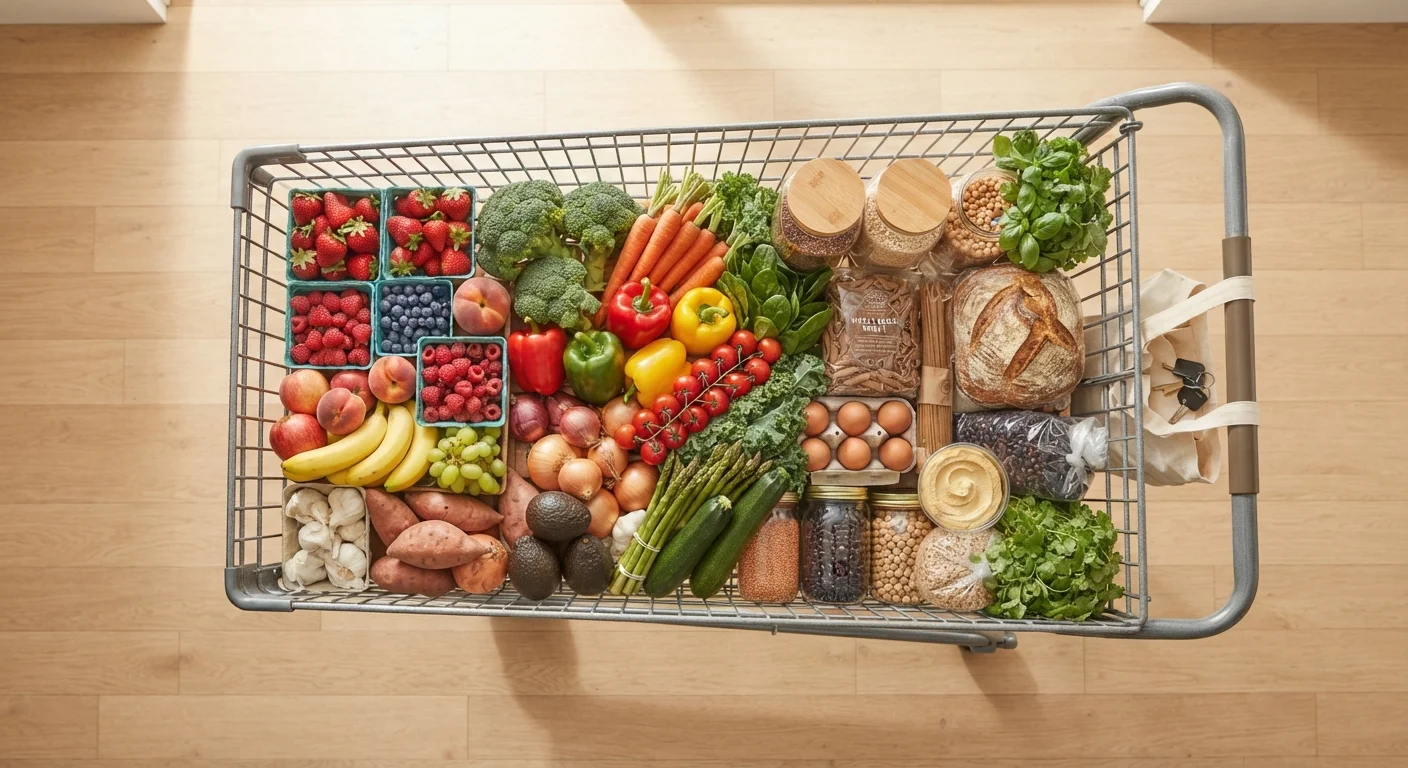
Photo credit: ResultsPoint.net | Find The Required Information
In this article
A practical walkthrough for organizing your weekly shop around whole foods, realistic budgets, and the meals your household actually makes.
Key Takeaways
- Start with meals you already cook, not an idealized diet you wish you followed.
- Organize your list by store section to reduce impulse buys and forgotten staples.
- A flexible produce-first strategy keeps nutrition solid without eliminating flexibility.
- Batch-friendly staples like grains, legumes, and frozen vegetables stretch your budget further.
- Reviewing last week's waste is the single fastest way to improve next week's shop.
Why Most Grocery Lists Fail Before You Leave the House
The most common grocery mistake isn't buying junk food — it's shopping for a version of yourself that doesn't exist yet. You stock up on specialty ingredients for ambitious recipes, skip the things you actually reach for on a Tuesday night, and end up with a fridge full of good intentions and a takeout order by Thursday.
A smarter approach anchors your cart to your real eating patterns: the meals you make on autopilot, the snacks your household actually finishes, and the budget you're genuinely working within. From there, you layer in small, durable improvements rather than overhauling everything at once.
If tightening your food budget is also a goal, the principles in eating well on a tight budget pair directly with this process.
What you will need
Step-by-Step: Building Your Cart
Follow these steps before you ever set foot in a store. The prep work takes less time than circling the aisles twice.
Audit what you actually ate last week
Before writing a single item, look at what your household consumed over the past seven days — not what you wish you'd eaten. Check receipts, scan your fridge and pantry, and note what got finished versus what got thrown out. This audit is your baseline. Build from reality, not aspiration.
Anchor your list to 4–5 real meals
Choose meals your household reliably makes and enjoys. You don't need a new recipe every night — repeating dependable meals reduces waste and keeps prep predictable. For each meal, list every ingredient needed, noting what you already have on hand. This becomes the structural core of your cart.
Build a produce-first layer
Once your meal anchors are set, think about vegetables and fruit. Aim for variety in color across the week — not as a nutritional formula, but as a practical signal that you're getting a range of nutrients. Prioritize produce you'll actually prepare: if you don't own a spiralizer, skip the zucchini noodles and buy the broccoli you'll actually roast.
Stock flexible staples, not single-use ingredients
Whole grains (rice, oats, barley), canned legumes (beans, lentils, chickpeas), eggs, and canned tomatoes are the backbone of an efficient cart. They're inexpensive, last well, and work across dozens of meals. Avoid buying specialty items that only fit one recipe — they tend to expire before you find a second use for them.
Organize your list by store section
Group your final list by where items live in the store: produce, proteins, dairy or alternatives, dry goods, frozen. This single habit cuts shopping time, reduces the chances of forgetting items, and limits the aimless aisle browsing that leads to impulse additions. Most people find that a physical or app-based checklist they can tick off in real time works better than trying to remember a mental list.
Review and adjust after each shop
At the end of the week, spend five minutes noting what worked. Did everything get used? Were there gaps? Did you stick to the list? Small weekly adjustments compound quickly into a cart that genuinely fits your household. Think of it less like following a diet plan and more like tuning a system you own.
Troubleshooting a Cart That Still Isn't Working
Even a thoughtful list can produce frustrating results. Here are the most common friction points and how to address them.
You're still throwing food away
Produce waste usually signals over-buying or poor placement. Move items you need to use first to the front of the fridge at eye level. Consider buying smaller quantities of perishables twice a week rather than one large haul. Understanding how portion sizes affect your planning can also help you buy closer to what you'll actually consume.
Healthy items go unused
If the kale sits untouched, the problem usually isn't willpower — it's that you haven't built a clear plan for using it. Only add an ingredient if you can name the specific meal it belongs to before it goes in the cart.
Your budget keeps slipping
Impulse additions at checkout and mid-week top-ups are the two biggest budget leaks. A firm written list and a rough per-item price estimate before you shop both help. For a broader framework, building a monthly budget can show you how food spending fits into your overall financial picture.
Pair Grocery Planning with Fitness Goals
If you're also working on building more physical activity into your week, grocery planning and exercise routines share the same underlying logic: start with what's realistic, build repeatable habits, and adjust gradually. See building a weekly exercise routine from scratch for a parallel framework that applies the same principles to movement.
This article is for general informational purposes only and does not constitute medical or dietary advice. Consult a qualified healthcare professional or registered dietitian for guidance specific to your health needs.

Author
Health Editorial Team
Health Editorial Team is the collective byline for our editorial team and contributor network. Articles published under this byline or an editorial pen name are researched, written, and reviewed according to our editorial standards for clarity, consistency, and independence before publication.
View all articles →