
DIY vs. Licensed Professional: Drawing the Line on Home Repairs
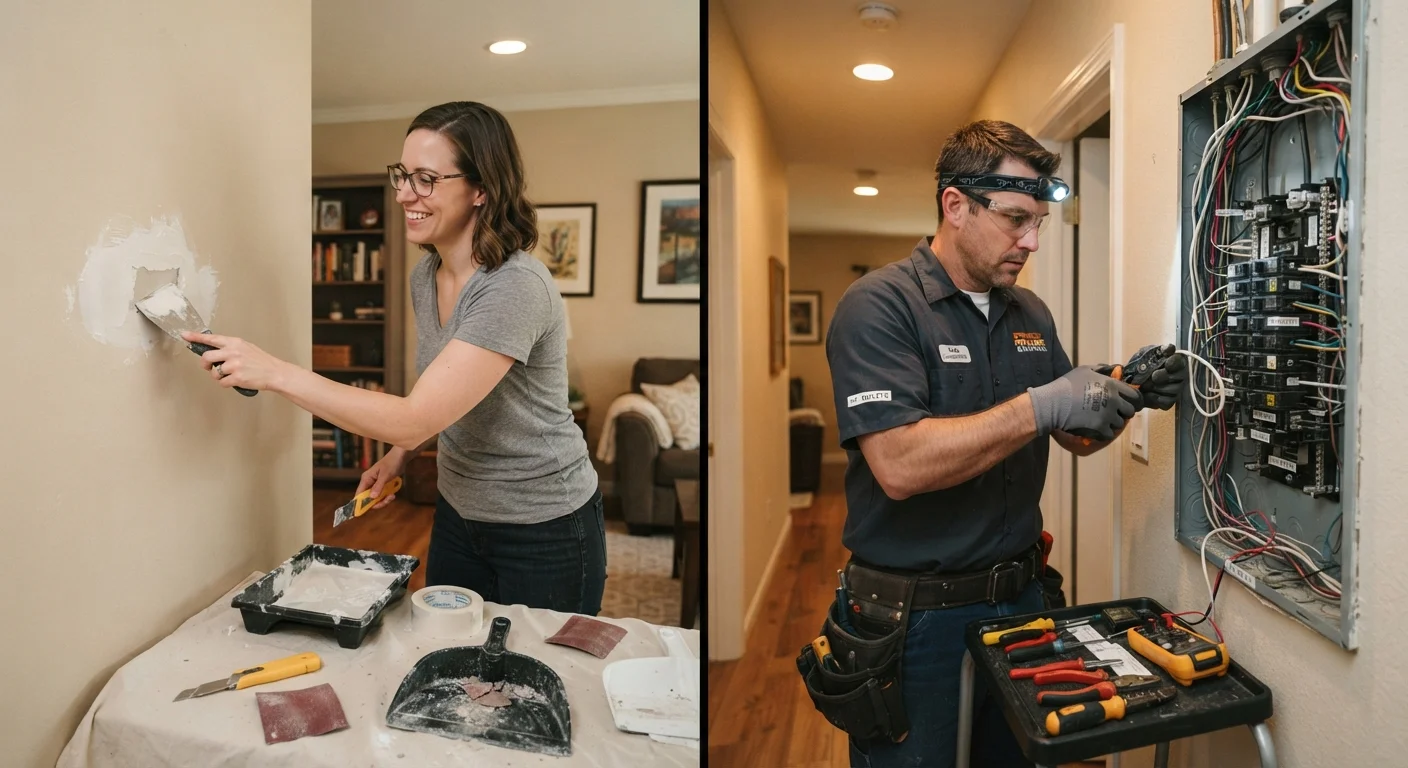
Photo credit: ResultsPoint.net | Find The Required Information
In this article
Some repairs are genuinely DIY-friendly. Others carry safety or legal risks. Here's a practical framework for deciding.
Key Takeaways
- Some repairs are genuinely safe for careful DIYers; others carry legal and safety risks that require a licensed professional.
- Electrical, gas, and structural work typically requires permits and licensed tradespeople in most U.S. jurisdictions.
- Skipping a required permit can void your homeowner's insurance and complicate a future home sale.
- Your skill level, available tools, and the complexity of the task should all factor into the DIY decision.
- When in doubt, a professional consultation — even a paid one-hour visit — can save money in the long run.
Saves money on straightforward, low-risk tasks
Labor is often the largest cost in a repair quote. For simple jobs like caulking, painting, or replacing fixtures, doing the work yourself can eliminate that cost entirely.
Builds practical homeownership skills over time
Successfully completing small repairs increases your confidence and familiarity with your home's systems, making future maintenance easier to identify and manage.
Allows flexible scheduling on your own timeline
You don't have to wait for a contractor's availability. For non-urgent repairs, working at your own pace reduces stress and disruption.
Immediate satisfaction and sense of ownership
Completing a repair yourself provides a direct connection to your home's upkeep and often motivates more consistent maintenance habits.
Risk of injury on hazardous or unfamiliar work
Electrical, roofing, and structural tasks carry real physical danger. Misjudging the complexity of a job is one of the most common causes of DIY-related injuries at home.
Unpermitted work can create legal and insurance problems
Work done without required permits may void your homeowner's insurance coverage and must typically be disclosed — or corrected at your expense — when you sell the home.
Mistakes can escalate into costlier repairs
An improperly sealed pipe joint, a miswired outlet, or an incorrectly patched roof can cause water damage, electrical faults, or structural issues far more expensive than the original repair.
Specialized tools and materials add hidden costs
Some repairs require equipment that isn't practical to purchase for a single use. Renting or buying specialized tools can close the cost gap between DIY and professional work.
Why the DIY vs. Pro Decision Matters
Every homeowner eventually faces it: a leaking faucet, a tripped breaker, a cracked tile. The question isn't just whether you can fix it yourself — it's whether you should. Getting that judgment wrong in either direction costs money. Hire a pro for a job you could safely handle, and you overpay. Attempt work beyond your skill level, and you risk injury, code violations, or damage that ends up costing far more to correct.
This framework helps you draw that line clearly. For a broader look at how the decision unfolds across different project types, see our guide on hiring a contractor vs. doing it yourself.
Saves money on straightforward, low-risk tasks
Labor is often the largest cost in a repair quote. For simple jobs like caulking, painting, or replacing fixtures, doing the work yourself can eliminate that cost entirely.
Builds practical homeownership skills over time
Successfully completing small repairs increases your confidence and familiarity with your home's systems, making future maintenance easier to identify and manage.
Allows flexible scheduling on your own timeline
You don't have to wait for a contractor's availability. For non-urgent repairs, working at your own pace reduces stress and disruption.
Immediate satisfaction and sense of ownership
Completing a repair yourself provides a direct connection to your home's upkeep and often motivates more consistent maintenance habits.
What Makes a Repair DIY-Friendly
Not all home repairs carry equal risk. A task is generally safe to DIY when it meets most of these criteria:
- No permit required. Cosmetic and minor maintenance work — painting, caulking, replacing cabinet hardware, patching small holes — typically doesn't require a permit in most jurisdictions.
- Mistakes are correctable and low-stakes. If you apply too much joint compound, you sand it back. A poorly painted wall gets a second coat. There's no cascading consequence.
- Clear instructional resources exist. Reliable, step-by-step guidance from extension services, licensed trade associations, or established home improvement publishers makes unfamiliar tasks approachable.
- Standard tools are sufficient. If the job requires only common hand tools or basic power tools you already own, the barrier to entry is reasonable.
Tasks like patching drywall holes are a classic example — manageable with patience and the right materials, and low-consequence if your first attempt isn't perfect.
New homeowners building their maintenance instincts can find a solid starting point in our introduction to DIY home maintenance.
Risk of injury on hazardous or unfamiliar work
Electrical, roofing, and structural tasks carry real physical danger. Misjudging the complexity of a job is one of the most common causes of DIY-related injuries at home.
Unpermitted work can create legal and insurance problems
Work done without required permits may void your homeowner's insurance coverage and must typically be disclosed — or corrected at your expense — when you sell the home.
Mistakes can escalate into costlier repairs
An improperly sealed pipe joint, a miswired outlet, or an incorrectly patched roof can cause water damage, electrical faults, or structural issues far more expensive than the original repair.
Specialized tools and materials add hidden costs
Some repairs require equipment that isn't practical to purchase for a single use. Renting or buying specialized tools can close the cost gap between DIY and professional work.
When to Stop and Call a Licensed Professional
Certain categories of work exist where DIY is not just inadvisable — it may be illegal without a license and permit. These include:
Permits Protect You, Not Just the Code
Required permits exist to ensure that licensed inspectors verify the work meets safety standards — standards designed to protect occupants and future buyers. When permitted work passes inspection, you have a documented record that it was done correctly. That documentation can be valuable when refinancing or selling your home. Always check with your local building department before starting any project that touches electrical, plumbing, gas, or structural systems.
- Electrical panel work and new circuit installation. Working inside your main panel, adding circuits, or running new wiring typically requires a licensed electrician and an inspection. Errors create fire and shock hazards that aren't always immediately visible.
- Gas line repairs or appliance connections. Natural gas and propane work must be handled by a licensed plumber or gas fitter in virtually every U.S. jurisdiction. A leak can be catastrophic.
- Structural modifications. Removing walls — especially load-bearing ones — without an engineer's assessment or proper permits can compromise your home's structural integrity.
- Main plumbing connections. Connecting to or altering the main water supply or sewer line generally requires a permit and a licensed plumber.
- Roofing in many jurisdictions. Depending on your state or municipality, significant roofing work may require permits and licensed contractors.
Before any project that feels borderline, check your local building department's requirements. Our guide on when permits are required explains what's typically involved and why skipping one can create serious problems down the line.
~$170B
Annual U.S. DIY home improvement spending
According to Harvard's Joint Center for Housing Studies, homeowners spend roughly this amount annually on DIY improvements and repairs, reflecting how common self-directed home upkeep has become.
1 in 3
Homeowners who've had a DIY project go wrong
A survey by Improvenet found that about one in three homeowners reported having a DIY repair that required a professional to fix afterward, often at greater total cost.
A Practical Decision Framework
When you're unsure which side of the line a repair falls on, work through these questions:
- Does this work require a permit or license in my area? If yes, stop — hire a licensed professional or get the proper permit before proceeding.
- What happens if I get it wrong? If the failure mode is a fire, flood, structural collapse, or carbon monoxide leak, the risk is non-negotiable.
- Do I have the right tools and a reliable, complete source of instruction? A partial understanding of a repair can be more dangerous than no knowledge at all.
- Will this affect my insurance or home sale? Unpermitted work can void coverage and create disclosure obligations when you sell.
If you're planning a larger project and want a methodical way to assess what each room needs before work begins, our room-by-room renovation assessment checklist is a helpful next step. For a deeper comparison across skill requirements, time, and liability, see our article on DIY repairs vs. hiring a licensed contractor.

Author
Home Editorial Team
Home Editorial Team is the collective byline for our editorial team and contributor network. Articles published under this byline or an editorial pen name are researched, written, and reviewed according to our editorial standards for clarity, consistency, and independence before publication.
View all articles →