
First-Time Homeowner's Introduction to DIY Home Maintenance
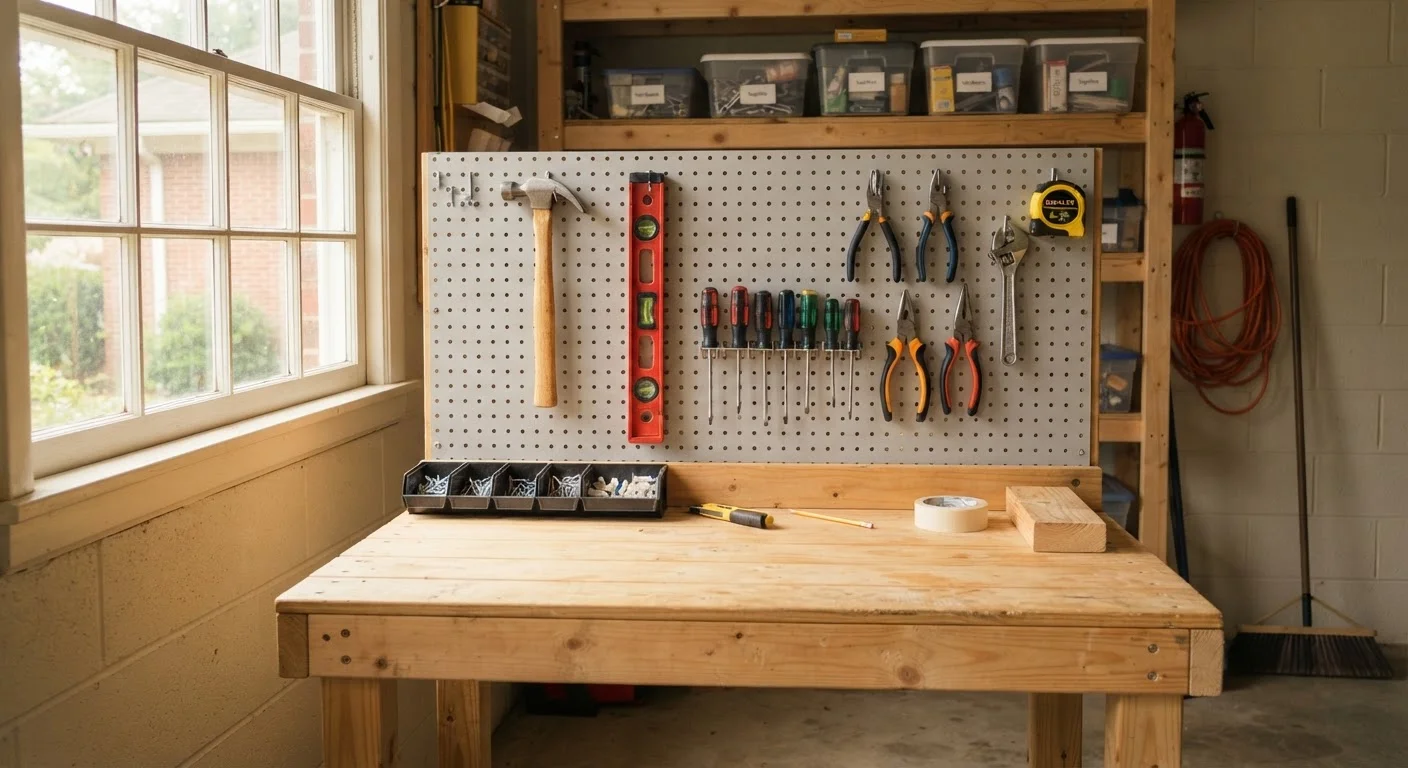
Photo credit: ResultsPoint.net | Find The Required Information
In this article
New to owning a home? This plain-language guide covers the basic maintenance tasks, tools, and seasonal rhythms every homeowner should understand.
Key Takeaways
- Routine DIY maintenance prevents small problems from becoming costly repairs.
- A modest starter toolkit covers the vast majority of common household tasks.
- Many basic tasks — filter changes, caulking, gutter cleaning — require no prior experience.
- Organizing maintenance by season helps ensure nothing important gets missed.
- Electrical, gas, structural, and major plumbing work should always involve a licensed professional.
Why DIY Maintenance Matters for New Homeowners
Owning a home means accepting responsibility for its upkeep — and that shift can feel overwhelming at first. The good news: most routine maintenance tasks are genuinely learnable, and handling them yourself builds both confidence and a working knowledge of your home's systems.
Regular upkeep does more than prevent breakdowns. It helps you catch small issues — a slow drip, a drafty window seal, a clogged dryer vent — before they escalate into expensive repairs. For a deeper look at the full scope of upkeep responsibilities you'll face, see our introduction to homeowner fundamentals.
HVAC
Short for Heating, Ventilation, and Air Conditioning — the system that heats, cools, and circulates air throughout your home.
Caulk
A flexible, waterproof sealant applied around gaps at windows, doors, tubs, and sinks to block water and air from passing through.
Load-bearing wall
A wall that carries structural weight from above — removing or altering it without proper engineering support can compromise the building's stability.
Weather stripping
Strips of foam, rubber, or metal installed around door and window edges to seal out drafts and improve energy efficiency.
Stud
A vertical framing board hidden inside your walls — anchoring screws into studs (rather than drywall alone) is essential when hanging heavy objects.
Permit
Official approval from your local government required before certain types of construction or repair work can legally begin.
The Essential Starter Toolkit
You don't need a fully stocked workshop to handle most household repairs. A focused set of quality hand tools will take you a long way.
- Hammer — for driving nails and light demolition
- Tape measure — essential for any project involving dimensions
- Flathead and Phillips screwdrivers — cover the two most common fastener types
- Adjustable pliers and slip-joint pliers — for gripping, tightening, and pulling
- Utility knife — for scoring, trimming, and cutting materials
- Level — ensures shelves, frames, and fixtures are straight
- Power drill with a basic bit set — the single most versatile DIY tool
- Stud finder — helps you locate wall framing before hanging anything heavy
Store tools in a dedicated toolbox and keep them dry to prevent rust. Investing in mid-range quality rather than the very cheapest options generally pays off in durability.
Build Your Kit Gradually
You don't need to buy every tool at once. Start with a hammer, tape measure, screwdrivers, and a power drill — those four items handle the majority of first-year tasks. Add specialized tools (like a pipe wrench or oscillating multi-tool) only when a specific job calls for them.
Core Maintenance Tasks You Can Handle Yourself
The following tasks are appropriate for most homeowners regardless of prior experience. They require no special licenses and carry manageable risk when approached carefully.
HVAC Filter Replacement
A clogged air filter forces your heating and cooling system to work harder, raising energy use and shortening equipment life. Locate your filter (usually in a return air vent or the air handler unit), note its dimensions printed on the frame, and swap in a new filter of the same size. Turn the system off first as a precaution.
Caulking Windows, Doors, and Tubs
Caulk — a flexible sealant — prevents water intrusion and air leaks. Use a utility knife or caulk remover tool to clear old, cracked caulk, wipe the surface clean and dry, then apply a thin, steady bead of fresh caulk. Smooth it with a damp fingertip and let it cure per the product label.
Testing Smoke and Carbon Monoxide Detectors
Press and hold the test button on each detector monthly. Replace batteries at least once a year, or install 10-year sealed-battery models. Detectors themselves should be replaced every 10 years.
Cleaning Gutters
Blocked gutters cause water to back up under roofing and against your foundation. Clear debris by hand or with a gutter scoop twice a year — typically spring and fall — and flush with a garden hose to check that downspouts flow freely.
For a complete breakdown of what to tackle and when, our month-by-month maintenance calendar is a useful companion resource.
Seasonal Rhythms: When to Do What
Thinking in seasons — rather than reacting to problems — is one of the most effective habits a homeowner can build.
- Spring: Inspect the roof and gutters after winter, check exterior caulk and weather stripping, test outdoor faucets for freeze damage, and service your air conditioner before warm weather arrives.
- Summer: Monitor for pest activity, check window screens, and keep an eye on attic ventilation to reduce heat buildup.
- Fall: Clean gutters after leaves drop, schedule a furnace tune-up, drain and store garden hoses, and check that weatherproofing around doors is intact.
- Winter: Know where your main water shutoff is in case of a burst pipe, keep cabinet doors open under sinks during hard freezes, and ensure dryer vents are clear to prevent fire risk.
Our seasonal home maintenance guide goes into greater detail on what each season demands.
Keep a Simple Home Maintenance Log
Recording what you've done and when — even in a basic notebook or phone note — saves significant time and money over the years. It helps you track filter replacement intervals, warranty periods, and contractor visits, and provides useful documentation if you ever sell your home.
Knowing When to Call a Professional
DIY has real limits — and respecting those limits is just as important as learning new skills. Certain repairs carry safety, code, or liability risks that make professional involvement the right call.
Always hire a licensed professional for:
- Electrical panel work, new circuit installation, or anything beyond replacing a switch or outlet
- Gas line repairs, appliance connections, or furnace work beyond filter and basic maintenance
- Structural changes — removing walls, adding openings, or altering load-bearing framing
- Major plumbing that ties into the main stack or requires permits
- Roofing repairs above single-story height
Many of these projects require permits and inspections under local building codes. Unpermitted work can complicate your homeowner's insurance and cause problems at resale. When in doubt, check with your local building department before starting. Our guide on drawing the line between DIY and professional repairs offers a practical decision framework.
Don't Skip Permits on Regulated Work
Working without required permits isn't just a technical violation — it can void your homeowner's insurance coverage for related damage, create liability if someone is injured, and require costly tear-out and redo work before a home sale can proceed. Always verify local requirements with your building or permitting department before starting any significant project.
Browse all of our practical upkeep guidance in the Home Maintenance hub for more task-by-task articles as your skills grow.
Frequently Asked Questions

Author
Home Editorial Team
Home Editorial Team is the collective byline for our editorial team and contributor network. Articles published under this byline or an editorial pen name are researched, written, and reviewed according to our editorial standards for clarity, consistency, and independence before publication.
View all articles →