
DIY Repairs vs. Hiring a Licensed Contractor
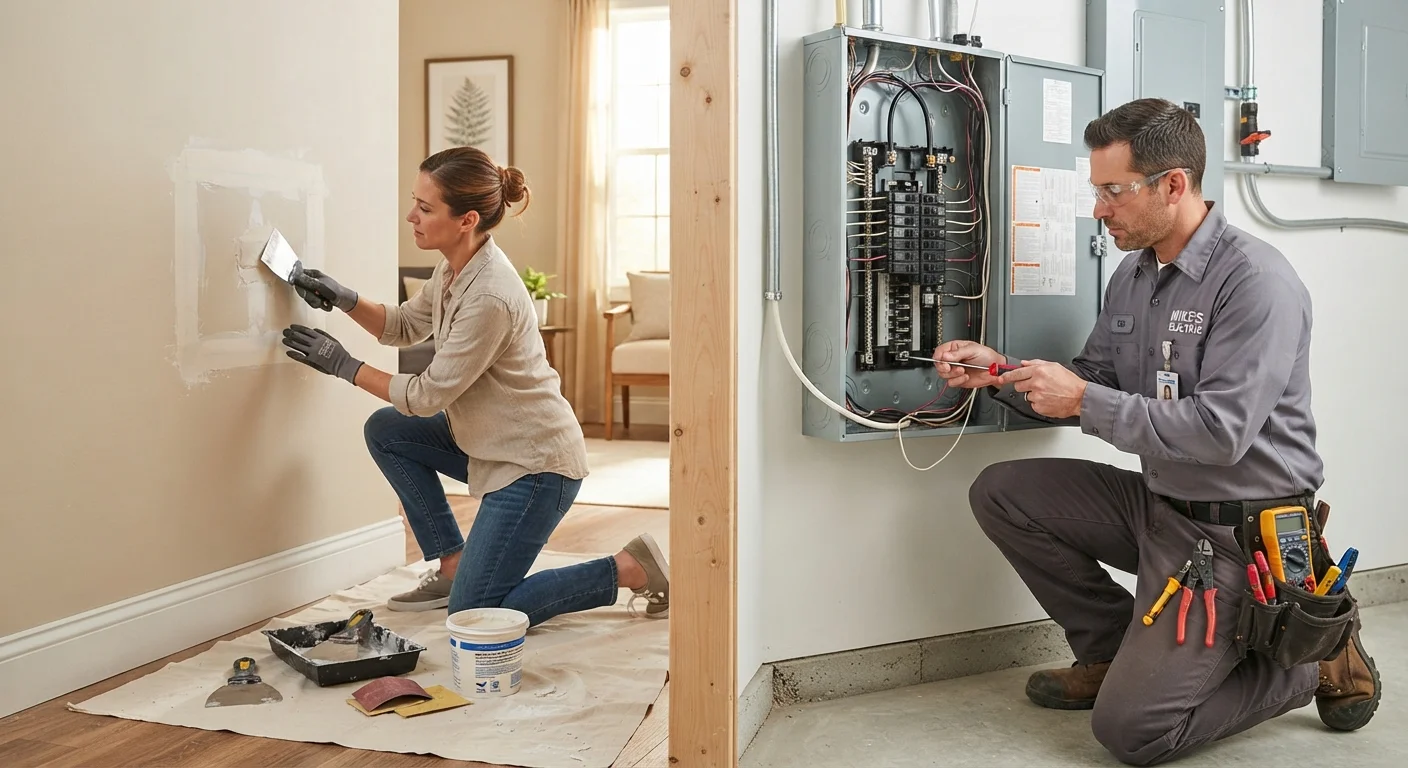
Photo credit: ResultsPoint.net | Find The Required Information
In this article
How to decide which home repairs are reasonable to tackle yourself and which ones call for a licensed professional — and why it matters.
Key Takeaways
- DIY repairs can save money on low-risk tasks, but some projects carry real safety and legal consequences if done incorrectly.
- Electrical, structural, gas, and major plumbing work generally require licensed professionals and permits in most US jurisdictions.
- Unpermitted work can stall a home sale, void insurance coverage, or create liability if something goes wrong.
- Your skill level, the complexity of the repair, and local code requirements should all factor into the decision.
- When in doubt, a paid professional consultation is usually worth the cost before starting any significant project.
The Real Question Behind Every Repair Decision
Every homeowner eventually faces the same fork in the road: roll up your sleeves or pick up the phone. The answer isn't always about money — though cost matters. It's about honestly assessing risk, skill, and what's at stake if things go wrong.
Owning a home means accepting ongoing maintenance responsibility. Some of that work is genuinely manageable for a careful, motivated person with basic tools. Other repairs involve systems — electrical, gas, structural — where an error can cause fires, flooding, or building code violations that follow you to your next sale. Understanding that line is one of the most practical skills a homeowner can develop. See our home maintenance guidance for a broader look at keeping your property in good shape year-round.
What DIY Handles Well
A wide range of cosmetic and low-risk maintenance tasks are reasonable for homeowners to tackle themselves. These share a few common traits: mistakes are visible and fixable, no permit is required, and the work doesn't involve safety-critical systems.
- Painting and patching: Interior painting, caulking around windows and tubs, and minor drywall repairs are classic DIY territory. Learn more about patching drywall holes without a pro or choosing the right sealant for gaps.
- Fixture swaps: Replacing a faucet, showerhead, toilet flapper, or light fixture (with power off at the breaker) is within reach for most homeowners willing to follow instructions carefully.
- Weatherproofing and insulation: Adding weatherstripping, installing door sweeps, or topping off attic insulation are relatively forgiving projects with clear payoffs.
- Landscaping and exterior maintenance: Cleaning gutters, sealing a driveway, or repairing deck boards generally require no permit and carry manageable risk.
Start Small to Build Confidence
If you're new to home repair, start with forgiving, low-stakes projects like painting, caulking, or replacing hardware. Each successful repair builds the judgment to recognize which tasks are within your ability — and which aren't. Don't let overconfidence from early wins push you into work that requires a license.
The lower the consequence of a mistake, the stronger the case for DIY. If you can undo or redo the work without major cost or safety risk, it's usually a reasonable candidate.
When a Licensed Contractor Is the Right Call
Some work belongs in the hands of a licensed professional — not because homeowners aren't capable learners, but because the systems involved are dangerous, regulated, or both.
| DIY | Licensed Contractor | |
|---|---|---|
| Typical cost | Materials only; labor is your time | Labor + materials; higher upfront |
| Permit required | Usually no (cosmetic/minor) | Often yes (structural, electrical, gas) |
| Safety risk if done wrong | Low to moderate (for suitable tasks) | High stakes tasks handled by trained professional |
| Insurance implications | Generally unaffected for minor work | Licensed work protects coverage |
| Impact on resale | Minimal if cosmetic and code-compliant | Inspectable, permitted, and defensible |
| Skill requirement | Basic tools and patience | Trade license, specialized training |
Electrical work: Anything beyond swapping a light fixture — panel upgrades, new circuits, rewiring — requires a licensed electrician in virtually every US jurisdiction. Mistakes can cause fires or electrocution, and unpermitted electrical work can void your homeowner's insurance.
Gas lines: Gas piping, appliance connections, and anything involving your HVAC's gas supply should always be handled by a licensed professional. Gas leaks are life-threatening, and no tutorial replaces proper training and certification here.
Structural modifications: Removing walls, altering load-bearing elements, or modifying your foundation requires both engineering knowledge and permits. Our article on what load-bearing walls actually mean explains why this category carries such high stakes.
Major plumbing: Replacing a trap or supply line is one thing. Work that ties into the main drain stack, moves supply lines, or requires opening walls is another — and typically requires permits and inspection.
Always verify local permit requirements before starting any significant project. Our guide on when permits are required covers what's typically at stake if you skip this step.
Unpermitted Work Has Real Consequences
Skipping a required permit isn't just a technicality. If unpermitted work is discovered during a home inspection, you may be required to open walls, undo completed work, or bring everything up to current code — at your expense. In some cases it can also affect your insurance claim eligibility. Always check with your local building department before starting work that might require a permit.
Cost, Risk, and the Long View
It's tempting to frame this decision purely around labor savings. But the true cost of a DIY repair gone wrong often exceeds what a professional would have charged. Understanding real project costs — including what happens when estimates go wrong — is essential context before assuming DIY is always cheaper.
There's also the issue of deferred consequences. Unpermitted work may not cause problems immediately, but it can surface during a home inspection when you sell, forcing expensive remediation at the worst possible time. Deferred maintenance carries compounding risks that many homeowners don't fully account for until the bill arrives.
For a more detailed framework on weighing these trade-offs project by project, see hiring a contractor vs. doing it yourself.
This article is for general informational purposes only and does not constitute legal, financial, or professional contracting advice. Always consult a licensed professional and verify local building codes and permit requirements before undertaking home repair or renovation work.

Author
Real Estate Basics Editorial Team
Real Estate Basics Editorial Team is the collective byline for our editorial team and contributor network. Articles published under this byline or an editorial pen name are researched, written, and reviewed according to our editorial standards for clarity, consistency, and independence before publication.
View all articles →