
What a Home Improvement Project Actually Costs (And Why Estimates Go Wrong)
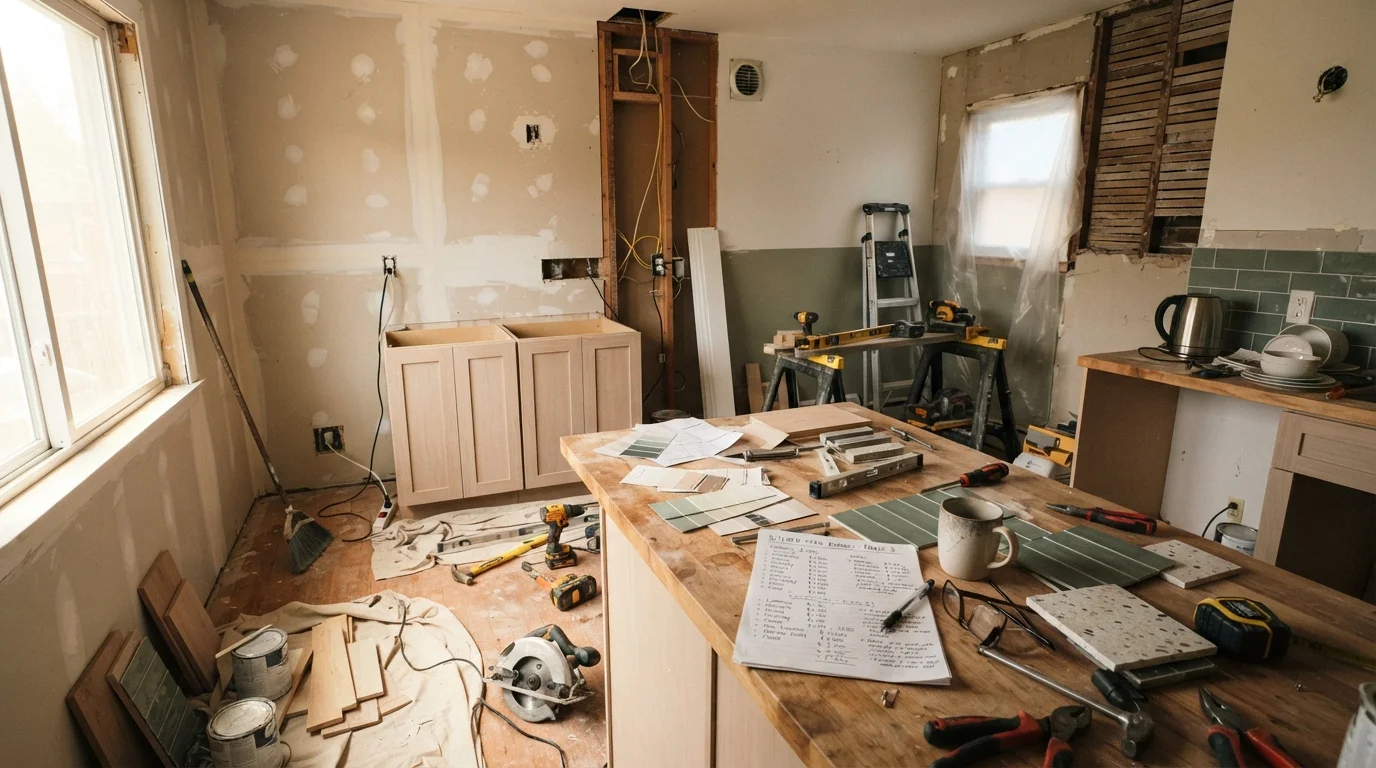
Photo credit: ResultsPoint.net | Find The Required Information
In this article
Understand the real cost drivers behind common renovation projects and why budgets slip — before you commit to a single contractor.
Key Takeaways
- Initial quotes are often based on surface observations and can change once work begins.
- Labor typically accounts for 40–60% of total renovation costs on most residential projects.
- Hidden conditions — like outdated wiring or water damage — are a leading cause of budget overruns.
- Permits and inspections add real costs that many homeowners fail to include upfront.
- A contingency buffer of 10–20% above your base estimate is a widely recommended planning practice.
- Scope creep — adding tasks mid-project — is one of the most controllable reasons budgets slip.
Why Renovation Budgets Are Built on Assumptions
A contractor visiting your home before work starts is making educated guesses. They can see the surface — the tile, the drywall, the fixtures — but not what's behind it. Their quote reflects assumptions about what they'll find when they open things up. That's not incompetence; it's the structural reality of estimating renovation work.
This is why two contractors can quote the same job at very different prices. One may have priced in a contingency for older plumbing; the other may have assumed everything is code-compliant. Neither estimate is wrong at the time it's written — they just represent different risk assumptions.
Before you treat any quote as your final number, it helps to understand what's actually being priced — and what isn't. For a line-by-line explanation of how estimates are structured, see our guide to reading a contractor's quote.
Get Three Quotes — And Ask the Same Questions
When gathering contractor estimates, provide each bidder with the same written scope of work so you're comparing like to like. Ask each contractor explicitly what is and isn't included — permits, disposal, material markup, and contingency. A lower quote that omits permits and assumes best-case conditions will often cost more in the end than a thorough estimate that accounts for unknowns.
The Four Real Cost Drivers in Any Renovation
Virtually every home improvement project is shaped by the same core cost categories. Understanding each one helps you ask smarter questions before signing anything.
1. Labor
On most residential projects, labor represents 40–60% of the total cost. Skilled trades — plumbers, electricians, tile setters — charge more per hour than general carpenters, and rightly so. The complexity and duration of the job, not just the material list, determines your labor bill.
2. Materials
Material costs are more visible but also more variable. Prices shift with supply chains, and the difference between a builder-grade and mid-range option can double the material budget without changing the scope. Contractor markup on materials — typically 10–20% over their cost — is standard and legitimate.
3. Permits and Inspections
Many homeowners overlook permits entirely until they show up on the final invoice. Fees vary widely by location and project type, and skipping required permits can create legal and insurance complications when you sell. Always confirm which permits apply to your project before work begins.
4. Disposal and Logistics
Dumpster rentals, debris hauling, and the physical logistics of working inside an occupied home all carry real costs. These are frequently underrepresented in early estimates.
40–60%
Share of renovation cost typically attributed to labor
Industry planning guidance consistently places labor as the largest single cost category on most residential renovation projects.
10–20%
Recommended contingency buffer above base estimate
This range is widely cited in home renovation planning resources as a standard buffer for unexpected conditions and scope changes.
~35%
Renovations that exceed original budget estimates
Surveys of homeowners who have completed major renovation projects consistently find a substantial share reporting final costs above initial quotes.
Hidden Conditions: The Most Common Budget Breaker
The single most common cause of budget overruns isn't contractor error or material price spikes — it's what's discovered after the walls come down. Outdated or undersized electrical panels, corroded pipes, water-damaged subfloor, insufficient insulation, and inadequate structural framing are all conditions that can only be assessed once work is underway.
Older homes carry higher risk here. A house built before 1980 is more likely to have galvanized steel pipes, knob-and-tube wiring, or asbestos-containing materials in places you wouldn't expect. Any of these discoveries can halt work, require licensed tradespeople, and generate costs that weren't in any estimate.
This is the core reason professional guidance consistently recommends a contingency buffer of 10–20% above your base estimate. It's not pessimism — it's planning. For a broader view of what home ownership actually costs over time, our article on the true annual cost of owning a home puts renovation spending in useful context.
Permits Aren't Optional
Work that requires a permit — typically anything involving structural changes, electrical, plumbing, or HVAC — must be inspected to be considered legally complete. Unpermitted work can complicate home sales, void insurance claims, and create liability if something fails later. Requirements vary by municipality, so verify what applies to your specific project and location with your local building department.
Scope Creep and How to Manage It
Scope creep is the quiet budget-killer that feels reasonable in the moment. You're already opening the bathroom walls, so why not replace that corroded valve too? You're repainting the living room — might as well do the hallway. Each decision is defensible on its own. Collectively, they can add 20–30% to your total spend.
The most effective way to control scope creep is to finalize your project scope in writing before any work starts, and to treat any additions as formal change orders with their own cost and timeline implications. A change order is a written amendment to the original contract — it documents what's being added, what it costs, and how it affects the schedule. Ask your contractor to use them for every material deviation from the original plan.
If you're working within a fixed budget, strategic prioritization matters as much as cost control. Our article on home improvement on a budget covers sequencing and material decisions that can help you get more from a constrained spend.
Frequently Asked Questions

Author
Home Editorial Team
Home Editorial Team is the collective byline for our editorial team and contributor network. Articles published under this byline or an editorial pen name are researched, written, and reviewed according to our editorial standards for clarity, consistency, and independence before publication.
View all articles →