
Deferred Maintenance: The Hidden Risk Most Homeowners Underestimate
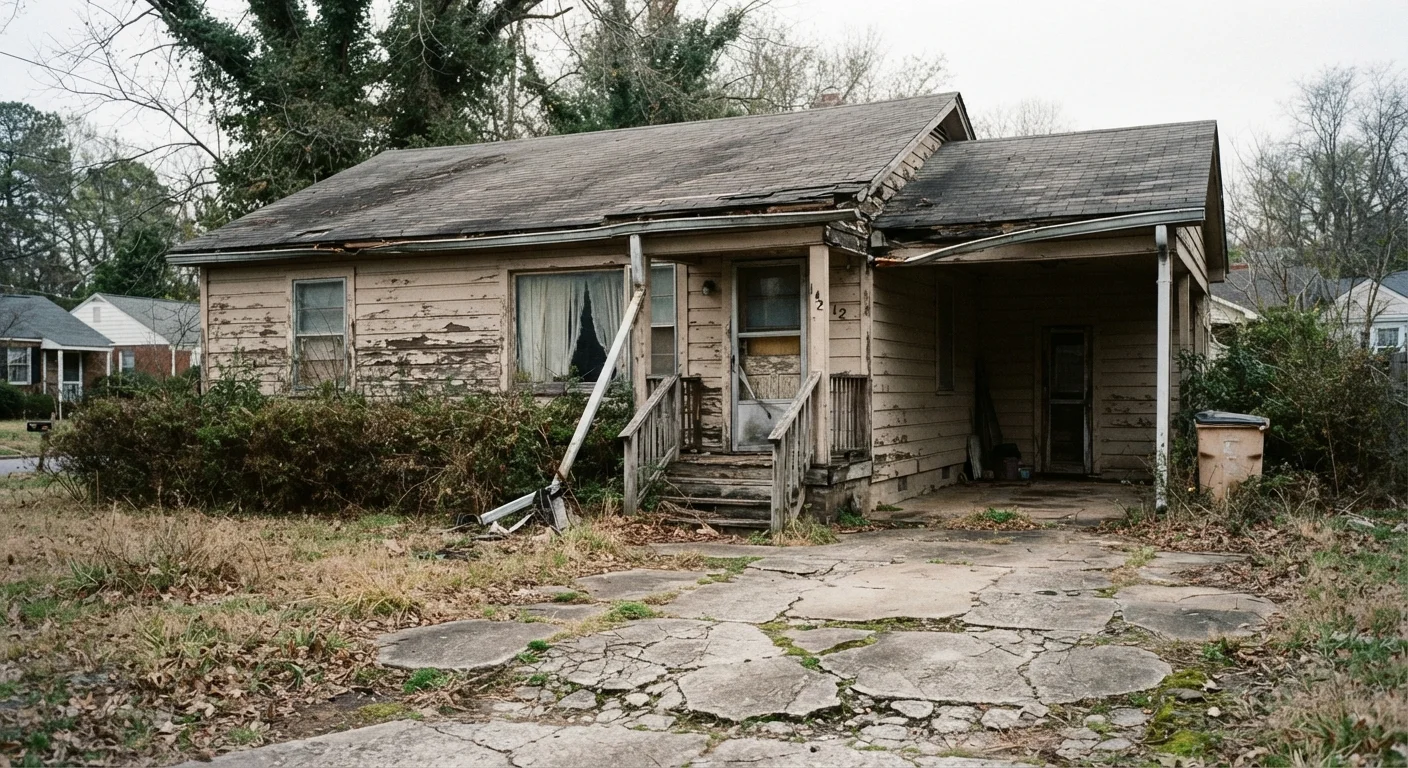
Photo credit: ResultsPoint.net | Find The Required Information
In this article
Skipping small repairs can compound into costly structural problems. Learn why deferring maintenance tends to cost more in the long run.
Key Takeaways
- Deferred maintenance rarely stays contained — small issues tend to grow into larger, more expensive problems.
- Most homeowners underestimate annual maintenance costs, which typically run 1–2% of a home's value.
- Skipping routine upkeep can reduce a home's resale value and complicate future sales or refinancing.
- A consistent maintenance schedule and emergency fund are the most effective defenses against costly repairs.
- Knowing when to hire a licensed professional versus handling a task yourself is a key ownership skill.
What Deferred Maintenance Really Means
Deferred maintenance refers to necessary repairs or upkeep tasks that are intentionally or unintentionally postponed. It's not the same as a home that's simply aging — it's a home where known problems are being left unaddressed. A slow roof leak, a cracked caulk line around a window, a water heater showing signs of corrosion: individually, these may seem minor. Collectively, and over time, they can escalate into structural damage, mold remediation, or full system replacements.
The term is common in commercial real estate, where property managers track deferred maintenance as a liability on balance sheets. Residential homeowners rarely think about it this way — but they should. Understanding the long-term effects of skipped upkeep is the first step toward protecting your investment.
1–2%
Of home value recommended for annual maintenance
This widely cited rule of thumb — sometimes adjusted upward for older or larger homes — reflects the real, recurring cost of keeping a home in sound condition.
~$6,000
Average annual home maintenance spending by US homeowners
According to data from the National Association of Home Builders, actual homeowner maintenance and repair spending often exceeds initial budget assumptions.
Common Mistakes That Put Homeowners at Risk
Most deferred maintenance doesn't happen because homeowners are careless — it happens because of specific, predictable patterns of thinking and circumstance. Recognizing these mistakes is how you break the cycle before it becomes expensive.
Treating maintenance costs as optional rather than a predictable ownership expense.
Why it happens: Many new homeowners budget tightly for the purchase itself and don't plan for ongoing upkeep, assuming costs will be low or manageable as they arise.
Ignoring early warning signs because they don't seem urgent.
Why it happens: A small water stain on a ceiling or a slightly sticky door doesn't feel like an emergency, so it gets deferred indefinitely while more pressing things compete for attention.
Underestimating how quickly one problem can damage adjacent systems.
Why it happens: Homeowners often think of repairs in isolation. A leaking roof feels like a roofing problem — not a potential insulation, drywall, structural framing, and mold problem.
Deferring maintenance with the intention of handling it before selling.
Why it happens: Homeowners sometimes rationalize that they'll fix things 'when the time comes,' expecting to negotiate repairs into a sale price or disclose issues and move on.
Assuming a newer home doesn't need active maintenance.
Why it happens: The logic seems reasonable — a home under five years old shouldn't need much work. But builder-grade materials and the settling process mean new construction still requires regular attention.
Deferred Maintenance Can Affect More Than Your Wallet
Neglected systems — particularly electrical wiring, gas appliances, and roofing — can create genuine safety hazards beyond financial consequences. If you suspect a safety issue in your home, consult a licensed professional promptly. Do not attempt repairs involving gas lines, electrical panels, or structural elements without proper qualifications and any required permits.
Building a System That Keeps You Ahead
The most reliable protection against deferred maintenance is a proactive system rather than a reactive one. Start with an annual home inspection — not just at purchase, but every few years — to catch issues before they compound. Create a simple seasonal checklist covering gutters, HVAC filters, weatherstripping, roof condition, plumbing shutoffs, and pest entry points.
Budgeting is equally important. A general guideline suggests setting aside roughly 1% of your home's value per year for maintenance, though older homes or those in harsh climates may need more. Our guide to building a home emergency fund can help you structure those reserves practically.
Finally, know your limits. Some tasks — painting, caulking, replacing filters — are reasonable for most homeowners. Others involving electrical panels, gas lines, load-bearing structures, or roofing often require a licensed professional and may need permits. The decision between DIY and hiring a contractor isn't just about skill — it's about safety, liability, and code compliance. When in doubt, consult a qualified professional before starting work that could affect your home's structure or systems.
This article provides general educational information about home maintenance. It is not a substitute for advice from a licensed contractor, home inspector, or financial professional familiar with your specific property and circumstances.

Author
Real Estate Basics Editorial Team
Real Estate Basics Editorial Team is the collective byline for our editorial team and contributor network. Articles published under this byline or an editorial pen name are researched, written, and reviewed according to our editorial standards for clarity, consistency, and independence before publication.
View all articles →