
Vehicle Registration in the U.S.: What It Is and Why It Matters
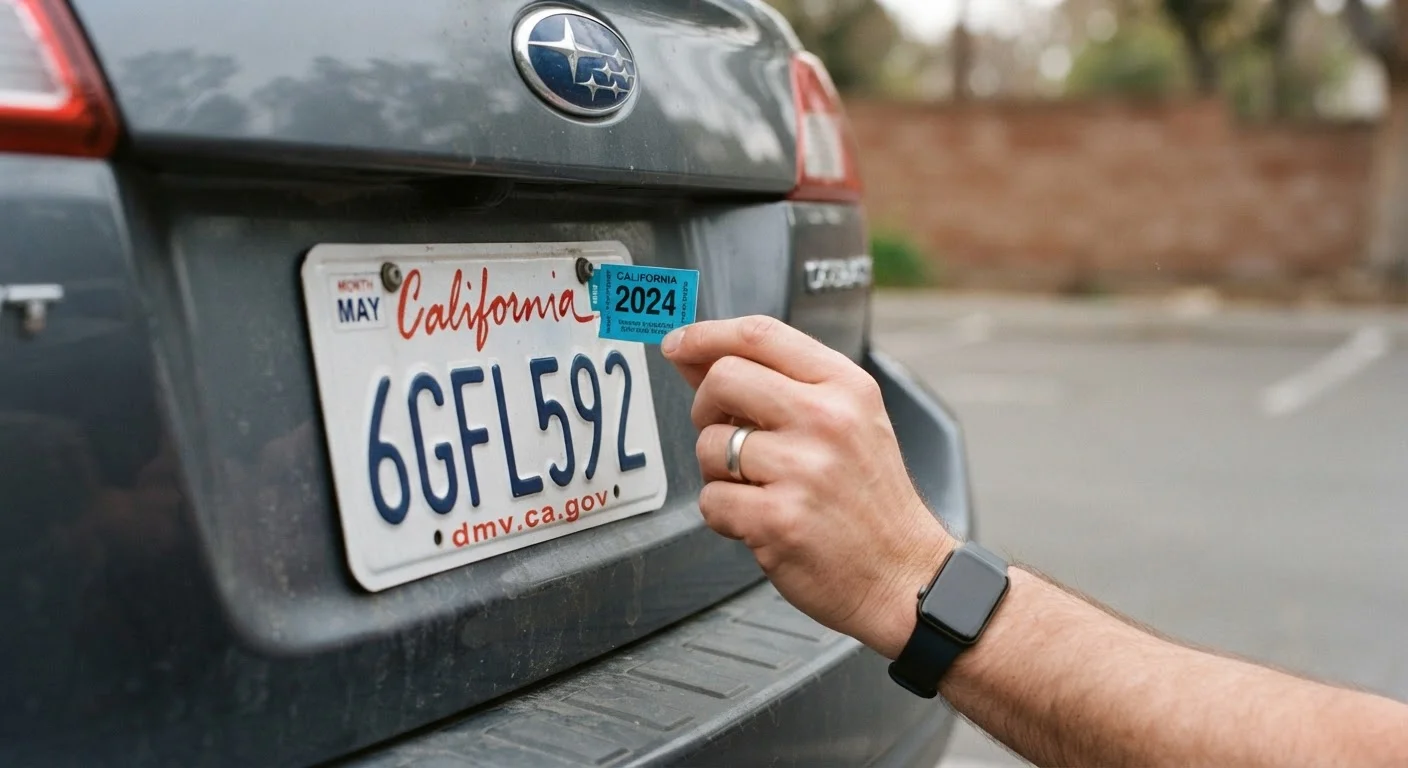
Photo credit: ResultsPoint.net | Find The Required Information
In this article
Vehicle registration can feel like paperwork bureaucracy, but it serves important legal and safety purposes. Here's what every car owner should understand.
Key Takeaways
- Every state requires vehicles operated on public roads to be registered with a government agency.
- Registration is not the same as a vehicle title — each document serves a different legal purpose.
- Fees vary by state and are often based on factors like vehicle weight, age, or value.
- Driving with expired or missing registration can result in fines, citations, or impoundment.
- New residents typically have 30 to 90 days to re-register a vehicle in their new state.
What Vehicle Registration Actually Is
When you register a vehicle, you're formally notifying your state government that a specific car — identified by its Vehicle Identification Number (VIN) — is owned by a specific person and is being used on public roads. In return, the state issues license plates and a registration certificate, along with a renewal sticker that shows the expiration date.
This process is administered at the state level, which is why rules, timelines, and fees differ from one state to the next. The federal government doesn't issue vehicle registrations — your state's DMV (or equivalent agency) handles it entirely.
For a broader look at the administrative side of owning a car, see our guide to car ownership costs and responsibilities.
50
States with mandatory vehicle registration
Every U.S. state requires registration for vehicles operated on public roads; requirements and fees are set individually by each state's legislature.
30–90 days
Typical window to register after moving states
Most states give new residents a grace period to transfer their vehicle registration; exact timeframes vary — confirm with your state DMV.
$50–$500+
Typical annual registration fee range nationwide
Fees vary widely depending on the state, vehicle type, weight, age, and assessed value, according to state DMV fee schedules.
Why Registration Exists and Why It Matters
Vehicle registration serves several practical purposes beyond generating state revenue. It creates a public record linking a vehicle to an owner, which supports law enforcement investigations, helps recover stolen vehicles, and makes it possible to issue traffic citations by plate number when a driver can't be stopped in person.
Registration also connects to safety. Many states tie registration renewal to mandatory safety inspections or emissions testing, which keeps older or poorly maintained vehicles from operating in ways that endanger other drivers or contribute to air pollution.
From an ownership standpoint, keeping your registration current protects you. If you're in an accident or your vehicle is involved in a legal matter, a lapsed registration can complicate insurance claims and legal proceedings.
Set a Renewal Reminder Before Your Expiration Date
Don't rely solely on your state's mailed reminder — postal delays or address changes can mean you miss it. Set a calendar alert 60 days before your registration expires. Many state DMVs now offer email or text reminders if you opt in through your online account.
How the Registration Process Works
For a newly purchased vehicle — whether from a dealer or a private seller — the registration process typically starts with transferring or obtaining a title. Once you have clear title, you apply for registration through your state's DMV, either in person, by mail, or increasingly online.
You'll generally need to provide:
- The vehicle title or proof of ownership
- A valid government-issued photo ID
- Proof of auto insurance meeting your state's minimum requirements
- Payment for registration fees
- A passed emissions or safety inspection (if required in your state)
After initial registration, most states require annual or biennial renewal. You'll usually receive a reminder by mail or email before your expiration date. Many states now allow online renewal in minutes.
For practical advice on staying organized with renewal deadlines and paperwork, see our article on managing vehicle paperwork.
What Registration Costs and How It's Calculated
Registration fees are set by each state and can range from under $30 to several hundred dollars depending on where you live and what you drive. States use different formulas — some charge based on a vehicle's gross weight, others use the vehicle's age or purchase price, and some apply a flat fee regardless of vehicle type.
Beyond the base registration fee, you may encounter additional charges for:
- Emissions testing or inspection fees
- Local county or city surcharges
- Personalized or specialty plate fees
- Late penalties if you miss your renewal deadline
To understand how your state structures these costs, our article on how registration fees are calculated by state walks through the most common methods states use.
Registration Fees Are Not Deductible in Most Cases
Some drivers assume vehicle registration fees are deductible on federal taxes, but this is only partially true. The IRS allows a deduction for the portion of a registration fee based on the vehicle's value — not the flat or weight-based portion. Tax rules are complex, so consult a qualified tax professional to determine what applies to your situation.
Frequently Asked Questions

Author
Autos Editorial Team
Autos Editorial Team is the collective byline for our editorial team and contributor network. Articles published under this byline or an editorial pen name are researched, written, and reviewed according to our editorial standards for clarity, consistency, and independence before publication.
View all articles →