
Comprehensive Car Ownership: Navigating Insurance, Registration, and Ongoing Costs
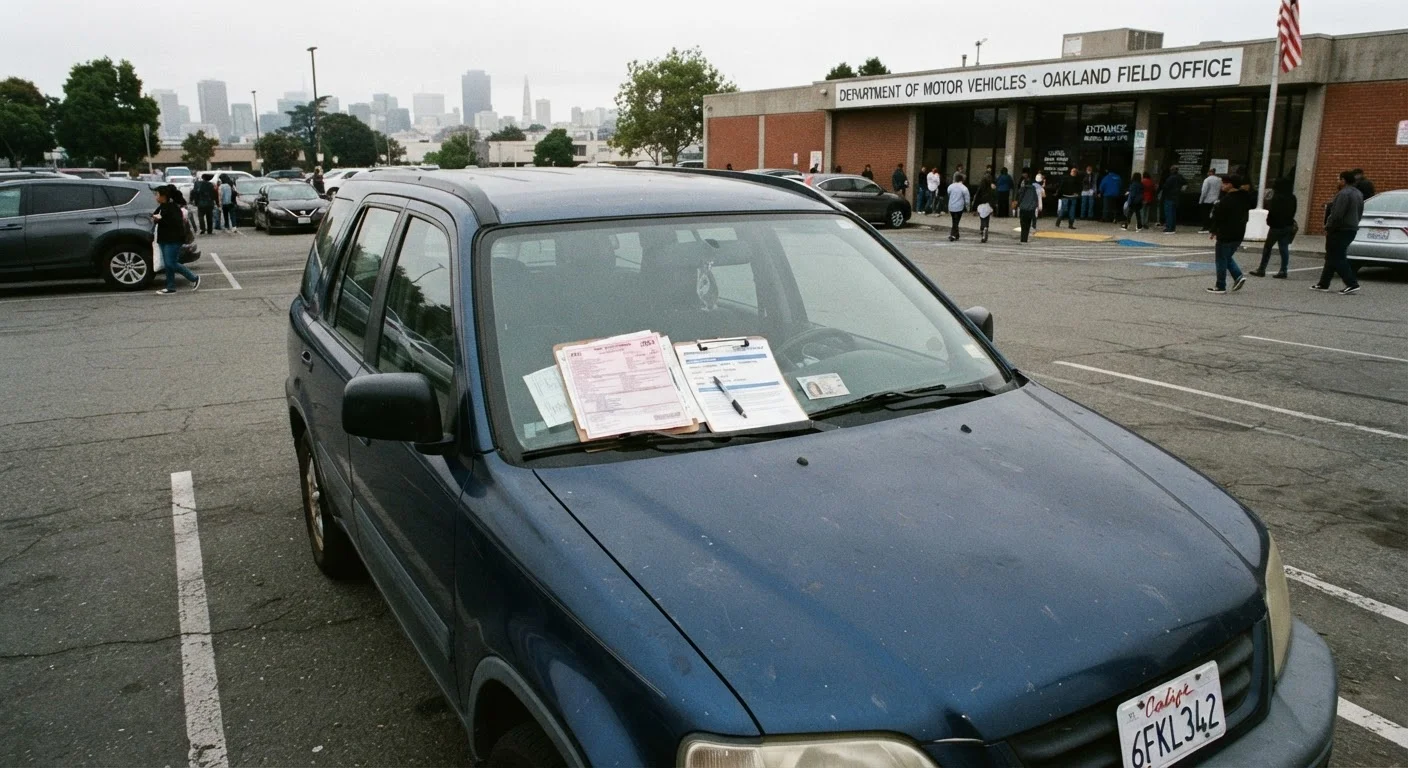
Photo credit: ResultsPoint.net | Find The Required Information
In this article
A complete resource covering the financial and administrative responsibilities of owning a vehicle in the United States.
Key Takeaways
- Total car ownership costs go well beyond a monthly payment — insurance, registration, and maintenance add up fast.
- Every state requires minimum auto insurance; driving uninsured carries serious legal and financial consequences.
- Vehicle registration must typically be renewed annually and fees vary significantly by state.
- Routine maintenance is far cheaper than deferred repairs — staying on schedule pays off.
- Building a dedicated car fund helps absorb unexpected repair bills without derailing your budget.
The Real Cost of Car Ownership
Most people calculate what they can afford by looking at a monthly loan or lease payment. That figure, however, represents only one slice of what a vehicle actually costs to own. When you add insurance premiums, registration fees, fuel, maintenance, and the occasional repair, the true annual outlay is often significantly higher than buyers anticipate.
For context, the American Automobile Association (AAA) has consistently estimated that average annual vehicle ownership costs for a new car run into the thousands of dollars beyond the purchase price alone. Used vehicles tend to lower some costs while raising others — particularly maintenance and repair exposure.
$10,000+
Estimated average annual new car ownership cost
AAA's annual 'Your Driving Costs' study has consistently placed total new vehicle ownership costs well above the loan payment alone.
1 in 8
U.S. drivers estimated to be uninsured
The Insurance Research Council has estimated that roughly one in eight drivers on U.S. roads carries no auto insurance.
~$500–$900
Typical annual car insurance premium range
Premiums vary widely by state, coverage level, driver history, and vehicle type; this is a general national reference range.
Understanding the full picture upfront helps you choose a vehicle you can genuinely afford, not just one you can finance. Just as homeowners must account for taxes, insurance, and upkeep beyond the mortgage — see our look at the true annual cost of owning a home for a parallel breakdown — car owners need to think well past the sticker price.
Auto Insurance: What You Need and Why
Every state except New Hampshire requires drivers to carry at minimum a certain level of liability insurance. Liability coverage pays for injuries and property damage you cause to others — it does not cover your own vehicle or medical bills. Many drivers need more than the legal minimum to be adequately protected.
The three core coverage types — liability, collision, and comprehensive — each serve distinct purposes. Our detailed explainer on liability, collision, and comprehensive coverage walks through exactly what each one covers and the gaps to watch for.
Review your coverage limits whenever your financial situation changes significantly — not just at renewal. If your net worth grows, minimum liability limits may no longer be adequate to protect your assets.
Liability judgments can exceed policy limits, leaving the policyholder personally responsible for the remainder. Coverage that made sense at one life stage may be inadequate later.
Ask your insurer specifically what discounts you qualify for rather than assuming they've been applied automatically. Low-mileage, bundling, and safe-driver discounts are frequently available but not always proactively offered.
Insurance companies offer a range of discounts that differ by carrier and aren't always surfaced unprompted during the quoting process.
Factors that affect your premium include your driving record, the vehicle's age and value, where you live, your annual mileage, and the deductible amounts you choose. Raising your deductible lowers your premium but means more out-of-pocket cost if you file a claim — a trade-off worth thinking through carefully based on your savings cushion.
Driving Uninsured Has Serious Consequences
Operating a vehicle without the legally required minimum insurance can result in license suspension, vehicle impoundment, heavy fines, and personal liability for all damages and injuries in an at-fault accident. Even a brief lapse in coverage can trigger these consequences in many states. Do not assume a grace period exists — verify your state's specific rules with your insurer or your state's DMV.
Registration and Title: Staying Legal
When you purchase a vehicle, the title is the legal document establishing ownership. If you financed the purchase, the lender typically holds the title until the loan is paid off. Once ownership is clear, the title transfers to you outright.
Registration is separate — it's the annual or biennial process of notifying your state that you're operating the vehicle on public roads. Registration fees vary widely by state; some base them on the vehicle's value or weight, others charge a flat fee. Most states also require proof of insurance before they'll issue registration.
Registration Rules Vary by State
There is no single national standard for vehicle registration fees, renewal schedules, or required inspections. Some states require annual renewals; others are biennial. Fee structures also differ — some tie fees to vehicle value, others to weight or a flat rate. Always check with your specific state's DMV for accurate, current requirements.
Emissions and safety inspections are required in many states as part of the renewal process. Missing your registration renewal can result in fines or, in some jurisdictions, having your vehicle impounded. Set a calendar reminder well before your renewal date and keep your insurance documents current.
Routine Maintenance Costs
Routine maintenance is the most controllable ongoing cost of ownership. Oil changes, tire rotations, brake inspections, air filter replacements, and fluid checks are predictable, relatively affordable, and essential to keeping your vehicle reliable and safe.
Skipping scheduled service almost always costs more in the long run. A neglected transmission, for example, can lead to a repair bill many times the cost of the fluid services that would have prevented it. Our complete car maintenance roadmap covers every major system and when to service it — a worthwhile reference to bookmark. The broader car maintenance hub also has practical upkeep guidance by topic.
Manufacturer-recommended service intervals — found in your owner's manual — are the most reliable guide for your specific vehicle. Independent mechanics and dealership service centers can both perform most routine work; getting at least one estimate before agreeing to any non-emergency repair is a reasonable habit.
Budgeting for the Unexpected
Even well-maintained vehicles break down. Tires wear out, batteries die, and components fail without warning. The difference between a manageable setback and a financial crisis often comes down to whether you have a dedicated car fund.
A practical approach is to set aside a fixed amount each month into a separate savings account earmarked for vehicle expenses. The right amount depends on your vehicle's age, mileage, and reliability history, but even a modest monthly contribution builds a meaningful buffer over time.
Build a Simple Car Emergency Fund
Consider setting aside a consistent monthly amount — even $50 to $100 — into a dedicated savings account for vehicle expenses. Over the course of a year, this creates a meaningful cushion for tires, batteries, or unexpected repairs without forcing you to put emergency costs on credit. Adjust the amount upward for older, higher-mileage vehicles.
Extended warranties and vehicle service contracts are options some owners consider for older vehicles. These vary enormously in what they cover and what they exclude — read any contract carefully before committing. This is general information; consult a qualified financial professional if you're weighing how these fit into your broader financial plan.
Ownership costs are manageable when you plan for them honestly. Set your insurance coverage at a level that genuinely protects you, stay current on registration, maintain your vehicle on schedule, and keep a buffer for surprises. That combination keeps you legal, safe, and financially stable behind the wheel.
AAA Your Driving Costs Study
AAA publishes an annual breakdown of average vehicle ownership costs by category. Useful for benchmarking what you should expect to spend beyond your loan or lease payment.
Your State DMV Website
The official source for registration fees, renewal schedules, emissions inspection requirements, and title transfer rules specific to your state.
Vehicle Owner's Manual
Your manufacturer's recommended maintenance schedule — found in the owner's manual or a manufacturer's website — is the most reliable reference for service intervals for your specific vehicle.

Author
Autos Editorial Team
Autos Editorial Team is the collective byline for our editorial team and contributor network. Articles published under this byline or an editorial pen name are researched, written, and reviewed according to our editorial standards for clarity, consistency, and independence before publication.
View all articles →