
What to Keep in Your Glove Box at All Times
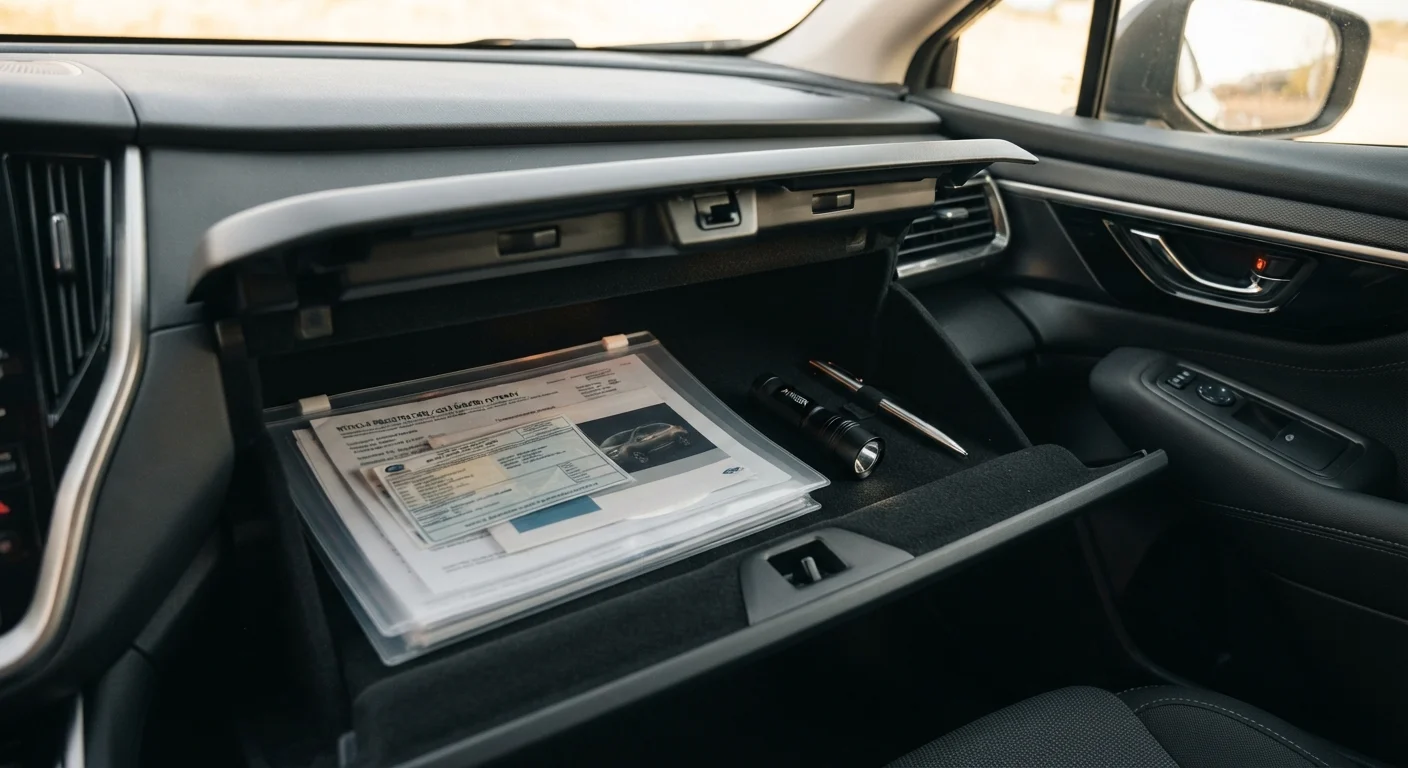
Photo credit: ResultsPoint.net | Find The Required Information
In this article
Registration, proof of insurance, and a few other essentials could save you a major headache during a traffic stop or roadside emergency.
Key Takeaways
- Your vehicle registration and proof of insurance are legally required in every U.S. state during a traffic stop.
- A physical copy of your insurance card is safer than relying solely on a smartphone app.
- Emergency contact info and basic safety tools belong in the glove box, not just the trunk.
- Expired documents in your glove box can create legal problems even if your actual records are current.
- Reviewing your glove box contents twice a year keeps everything accurate and up to date.
Why Your Glove Box Deserves More Attention
Most drivers stuff their glove box once and forget about it. Then a police officer asks for registration and insurance, and they're digging through fast-food napkins and a 2019 oil-change receipt. Don't be that driver.
Your glove box is your vehicle's command center for the two situations that matter most: a traffic stop and a roadside emergency. Both can happen without warning, and both go more smoothly when you know exactly what's in there and where to find it.
This checklist covers every document and physical item worth keeping within arm's reach. For a deeper look at managing your vehicle's paperwork over time, see our guide on staying on top of vehicle paperwork. And if you're heading out on the highway, pair this with our pre-drive safety walkthrough before you go.
Accordion document folder or envelope
Keeps registration, insurance, and other papers organized and easy to hand over quickly.
Small flashlight
Provides light for reading documents or inspecting the vehicle in the dark.
Pen and small notepad
Used to record accident details, witness information, or insurance data at the scene.
Pre-printed accident exchange card
Prompts you to collect the right information from other drivers after a collision.
The Full Glove Box Checklist
Work through the groups below. Check each item against what's currently in your glove box. Replace expired documents, remove clutter, and fill any gaps before your next drive.
Required Documents
Emergency & Safety Items
Vehicle-Specific Information
Practical Extras
Always Carry Physical Insurance Proof
Most states legally require you to present proof of insurance during a traffic stop or after an accident. While many insurers offer digital ID cards through apps, network outages or a dead phone battery can make those inaccessible. A printed or laminated card is a reliable backup that requires no signal. Check your state's rules, but when in doubt, carry both.
Don't Store Original Titles Here
Your vehicle's title is a legal ownership document — keep the original in a secure location at home, such as a fireproof safe or a filing cabinet. Losing the title from a stolen or broken-into vehicle creates a significant administrative burden to replace. A copy is acceptable in the glove box; the original is not.
Keeping It Current
Having the right items is only half the job — they also need to be valid. An expired insurance card handed to a law enforcement officer doesn't help you, even if your actual policy is active. Set a calendar reminder twice a year (the start of spring and fall works well) to open the glove box and verify that registration and insurance documents reflect your current coverage and dates.
If you're ever involved in a crash, a well-stocked glove box makes a difficult situation more manageable. Our guide on what to do after a traffic accident walks through the steps you'll need to follow at the scene. And for a broader picture of the administrative side of vehicle ownership — including registration renewals and insurance basics — see our resource on comprehensive car ownership.
This article is for general informational purposes only. Requirements for vehicle documentation vary by state; verify what your state mandates with your local DMV or a qualified professional.

Author
Autos Editorial Team
Autos Editorial Team is the collective byline for our editorial team and contributor network. Articles published under this byline or an editorial pen name are researched, written, and reviewed according to our editorial standards for clarity, consistency, and independence before publication.
View all articles →