
What to Do When You're Involved in a Traffic Accident
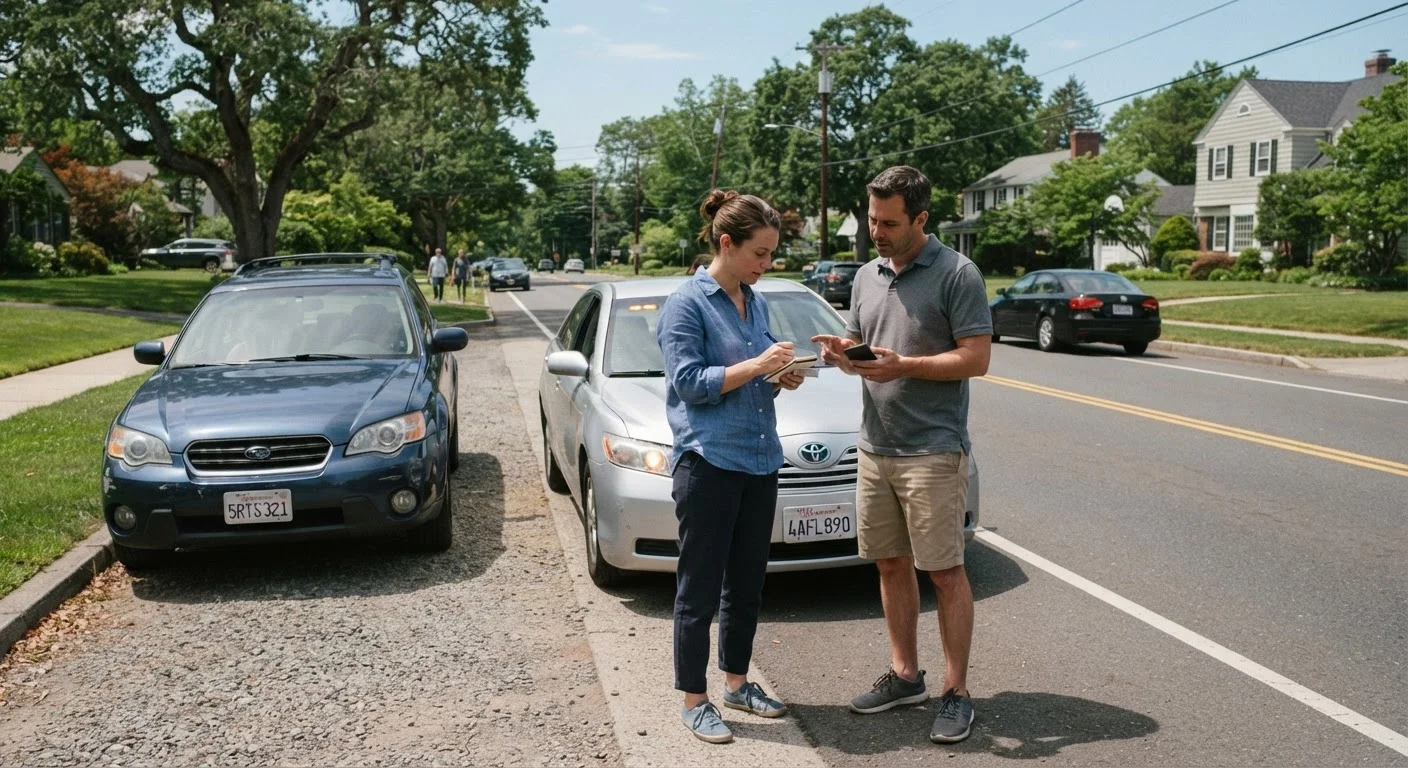
Photo credit: ResultsPoint.net | Find The Required Information
The moments after a crash are stressful. This step-by-step walkthrough covers what to do at the scene, what to document, and who to contact.
Key Takeaways
- Move to safety first — staying in live traffic after a crash is one of the most dangerous things you can do.
- Call 911 even for minor crashes; a police report creates an official record that insurance companies rely on.
- Document everything at the scene: photos, contact info, witness names, and the other driver's insurance details.
- Never admit fault at the scene — let insurers and investigators determine liability.
- Notify your insurance company promptly, even if you were not at fault.
Why Your First Actions Matter Most
The minutes immediately following a crash are disorienting. Adrenaline, confusion, and the pressure of other drivers watching make it easy to act impulsively — moving the car before photos are taken, offering an apology that reads as an admission, or simply forgetting to collect the other driver's insurance details. Those early missteps can complicate an insurance claim or legal matter that would otherwise be straightforward.
The good news is that the right actions are simple and repeatable. A clear mental sequence — safety first, then document, then report — covers the vast majority of situations you are likely to face. Defensive driving habits reduce crash risk in the first place, but even the most attentive driver can end up in an unavoidable collision.
Keep a Crash Checklist in Your Glove Box
Print a simple one-page checklist of what to collect at the scene — the other driver's name, license number, insurance carrier, policy number, and plate number. When adrenaline is running high, a written prompt helps you stay organized. See our guide to glove box essentials for everything worth carrying.
What to Do at the Scene
Follow the steps below in order. Each one builds on the last, and skipping ahead — especially skipping the safety and 911 steps — can create serious problems.
What you will need
Smartphone
Call 911, photograph damage and the scene, and record insurance information.
Proof of insurance card
Required by law to exchange with the other driver and present to police.
Vehicle registration
Confirms ownership and vehicle identity for police reports and insurance claims.
Pen and notepad
Back-up method for recording contact and insurance details if your phone battery is low.
Reflective warning triangles or road flares
Alert approaching traffic when your vehicle is disabled or stopped on a roadway.
Check for injuries and move to safety
Before anything else, check yourself and your passengers for injuries. If anyone is hurt, do not attempt to move them unless there is an immediate danger such as fire. Turn on your hazard lights immediately.
If the vehicles are drivable and the crash is minor, move them out of the travel lane to a shoulder, parking lot, or side street. Remaining in active traffic significantly increases the risk of a secondary collision.
Call 911
Call 911 to report the crash. Dispatchers will send police and emergency medical services as needed. Even for low-speed fender-benders with no visible injuries, a police report creates an official record that your insurer will likely request. Give the dispatcher your location, the number of vehicles involved, and whether anyone appears injured.
Exchange information with the other driver
Collect the following from every driver involved:
- Full name, address, and phone number
- Driver's license number and issuing state
- License plate number
- Vehicle make, model, year, and color
- Insurance company name and policy number
Provide your own information in return. Be factual and courteous, but keep conversation focused on logistics.
Document the scene thoroughly
Use your smartphone to photograph and, if useful, video the scene before any vehicles are moved from their final positions. Capture:
- All vehicles involved, showing damage and their positions relative to each other
- The broader scene — road markings, traffic signals, skid marks, debris, and weather or lighting conditions
- Any visible injuries
- Street signs or landmarks that confirm the location
If bystanders witnessed the crash, ask for their names and contact information. Witness accounts can be valuable during insurance or legal proceedings.
Cooperate with responding officers
When police arrive, answer their questions honestly and accurately. Describe only what you directly observed — do not speculate about speed, fault, or the other driver's state of mind. Request the responding officer's name, badge number, and the report number before they leave; you will need this to obtain a copy of the official report later.
Notify your insurance company
Contact your insurer as soon as reasonably possible — most carriers expect prompt notification regardless of fault. Provide the facts you collected: police report number, the other driver's insurance information, and your photos. Your insurer will open a claim and walk you through next steps, which may include a vehicle inspection or medical evaluation.
If you were injured, consult a medical professional promptly, even if symptoms seem minor initially. Some injuries — such as soft-tissue damage — can present hours or days after impact.
Never Admit Fault at the Scene
Statements like "I'm sorry" or "I didn't see you" can be used against you during an insurance or legal proceeding. Stick to exchanging factual information only. Liability determination is the job of insurers and, when necessary, investigators — not the drivers involved.
After You Leave the Scene
Once you are away from the scene, write down everything you remember while details are fresh: the sequence of events leading up to the crash, road and weather conditions, and anything the other driver said. This personal account can support your insurance claim if there are later disputes about what happened.
Keep copies of all documents — the police report, your photos, the other driver's information, and any medical records if you sought treatment. Store digital copies somewhere accessible, not just on your phone.
If the crash involved significant injury, substantial vehicle damage, or any legal complexity, consider consulting an attorney who handles vehicle accident cases before giving a recorded statement to any insurer other than your own.
For a broader look at the habits that help experienced drivers avoid situations like this in the first place, see our article on safe driving habits that experienced drivers rely on.
Don't Leave the Scene
Leaving the scene of an accident before exchanging information or speaking with police is a criminal offense in every U.S. state. Even if the crash seems trivial, stay until you have legally fulfilled your obligations or been released by law enforcement.

Author
Autos Editorial Team
Autos Editorial Team is the collective byline for our editorial team and contributor network. Articles published under this byline or an editorial pen name are researched, written, and reviewed according to our editorial standards for clarity, consistency, and independence before publication.
View all articles →