
Safe Driving Habits That Experienced Drivers Quietly Rely On
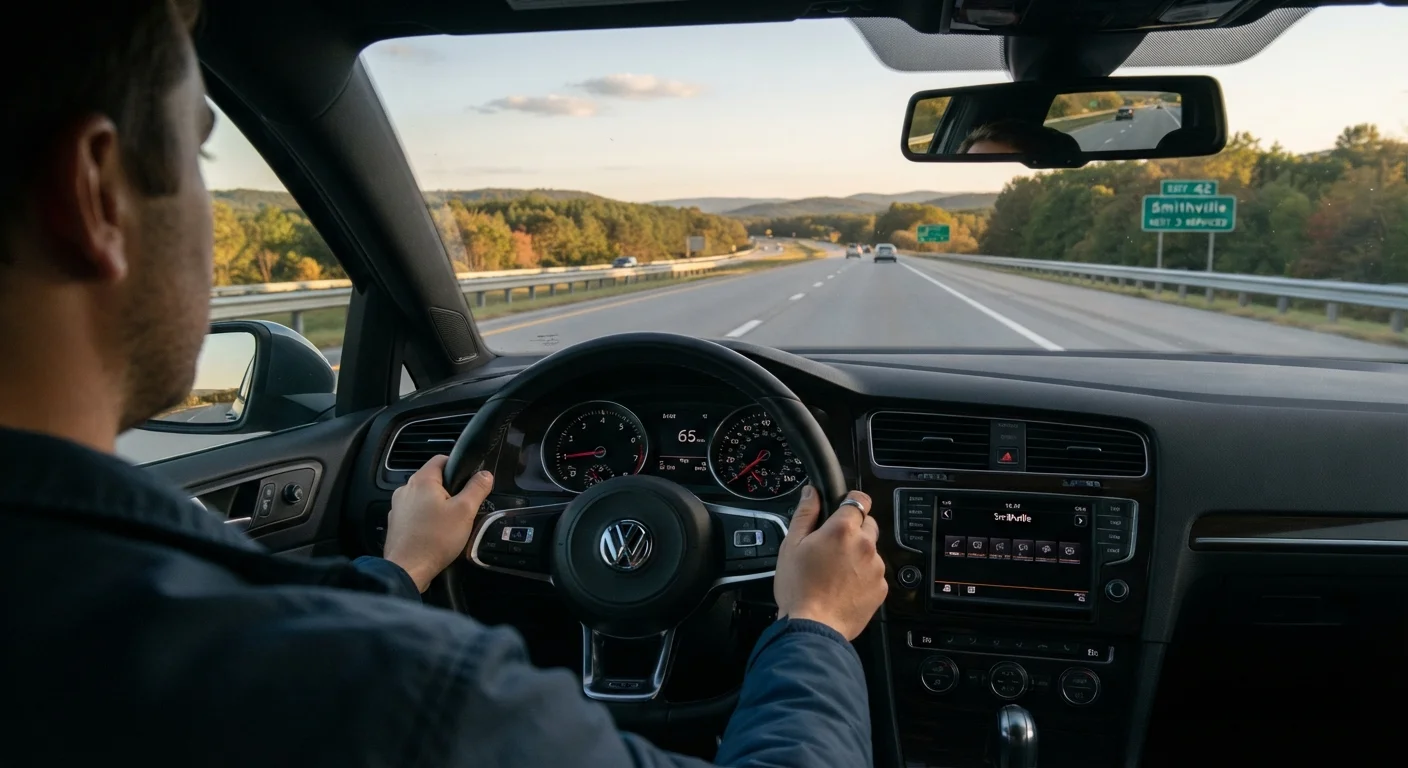
Photo credit: ResultsPoint.net | Find The Required Information
In this article
From managing space cushions to scanning intersections early, here are the low-key practices that distinguish confident, crash-averse drivers.
Key Takeaways
- Maintaining a space cushion around your vehicle is one of the highest-impact crash-prevention habits you can build.
- Experienced drivers scan intersections well before entering, not just as they arrive.
- Eliminating phone distraction — even hands-free — meaningfully reduces collision risk.
- Adjusting following distance and speed for weather conditions is a skill, not just a suggestion.
- Checking blind spots with a physical head turn remains essential, even with modern sensors.
What Separates Confident Drivers From Just Experienced Ones
Plenty of people have been driving for decades without picking up the habits that actually reduce crash risk. Time behind the wheel doesn't automatically build skill — deliberate habits do. The drivers who consistently avoid close calls tend to share a handful of low-profile practices that rarely get discussed in driver's ed but make a real difference on the road.
This isn't about advanced technique. It's about what experienced, crash-averse drivers do quietly, almost automatically, every time they get behind the wheel. If you're looking to sharpen your approach, defensive driving principles provide the mental framework behind most of what follows.
Core Habits That Make the Biggest Difference
The practices below aren't dramatic — they're repeatable, low-effort, and grounded in how crashes actually happen.
Maintain a dynamic space cushion on all four sides of your vehicle.
Most rear-end and side-swipe collisions happen because a driver didn't have enough room to react. A buffer zone — front, rear, and both sides — gives you time and space when something unexpected happens. The classic three-second following rule is a floor, not a target; experienced drivers extend it in poor conditions.
Scan intersections well before you reach them.
Intersection crashes are among the most common and most deadly. Scanning early — looking left, right, and left again as you approach — gives your brain time to process cross-traffic and identify drivers who may not stop. Reacting at the intersection is too late; recognizing the hazard 200 feet out is not.
Always physically check blind spots before changing lanes — don't rely solely on mirrors or sensors.
Mirrors, even when properly adjusted, leave blind zones on both sides of the vehicle. Backup cameras and blind-spot monitors are useful aids, but they have their own limitations and can fail. A quick head turn takes less than a second and catches what technology sometimes misses. For a detailed breakdown, see understanding blind spots.
Put the phone completely out of reach before you start the car.
Willpower is unreliable under the pressure of a notification. Removing the phone from the equation — physically placing it in a bag, glove box, or back seat — eliminates temptation before it arises. Even hands-free conversation has been shown to impair cognitive attention in meaningful ways.
Communicate your intentions clearly and early with signals and positioning.
Other drivers can only respond to what they can predict. Signaling well ahead of a turn or lane change — not as you're already moving — gives surrounding traffic time to adjust. Your lane position also signals intent: moving toward the right edge of a lane tells drivers behind you that a right turn is coming.
Identify an escape route before you need one.
Experienced drivers are always passively tracking where they could go if the car ahead stopped suddenly or a vehicle swerved into their lane. This habit — sometimes called 'situational awareness' — means you're never caught with zero options. It requires staying out of other vehicles' blind spots and avoiding prolonged drives in the center of clustered traffic.
Distraction deserves its own emphasis. Research consistently shows that phone use — even with a hands-free setup — degrades driver attention significantly. See what the research on smartphone distraction actually shows before assuming a Bluetooth call is safe.
Adjusting for Conditions: When Your Defaults Aren't Enough
Safe driving in ideal conditions is table stakes. Where experienced drivers really separate themselves is in how quickly and accurately they adjust when conditions change.
~40%
Of crashes occur at or near intersections
The Federal Highway Administration has estimated that a large proportion of U.S. traffic crashes are intersection-related, underscoring the importance of early scanning habits.
3x
Higher nighttime fatality risk per mile
The National Safety Council notes that traffic fatality rates are disproportionately higher during nighttime hours relative to the volume of miles driven.
Rain, darkness, and heavy traffic all demand different calibrations — longer following distances, reduced speed, heightened scanning. Driving in heavy rain changes your braking distance and traction in ways many drivers underestimate. Similarly, nighttime driving raises fatality rates sharply, even for careful drivers.
When to Increase Your Following Distance
The standard three-second rule applies in ideal conditions — dry road, good visibility, alert driver. Add at least one second for every adverse condition present: rain, fog, heavy traffic, unfamiliar road, or fatigue. In heavy rain or snow, four to six seconds is a reasonable target. There's no penalty for extra space, only for not having it.
Fatigue is another condition most drivers misjudge. The warning signs often appear gradually — learn to recognize them before they become dangerous by reviewing how fatigue affects driving.
Quick Actions You Can Build Into Every Drive
You don't need to overhaul everything at once. A few targeted changes, applied consistently, compound over time into meaningfully safer driving.
Before any long trip, run through a pre-drive safety walkthrough to make sure your vehicle is as prepared as you are. And if you're unsure about any aspect of your car's mechanical condition, the basics of car maintenance are worth revisiting.
“The goal of defensive driving is to reduce risk by anticipating dangerous situations, despite incorrect actions of others and adverse conditions.”
— National Safety Council, U.S. nonprofit organization focused on eliminating preventable deaths and injuries

Author
Autos Editorial Team
Autos Editorial Team is the collective byline for our editorial team and contributor network. Articles published under this byline or an editorial pen name are researched, written, and reviewed according to our editorial standards for clarity, consistency, and independence before publication.
View all articles →