
Before Every Long Road Trip: A Pre-Drive Safety Walkthrough
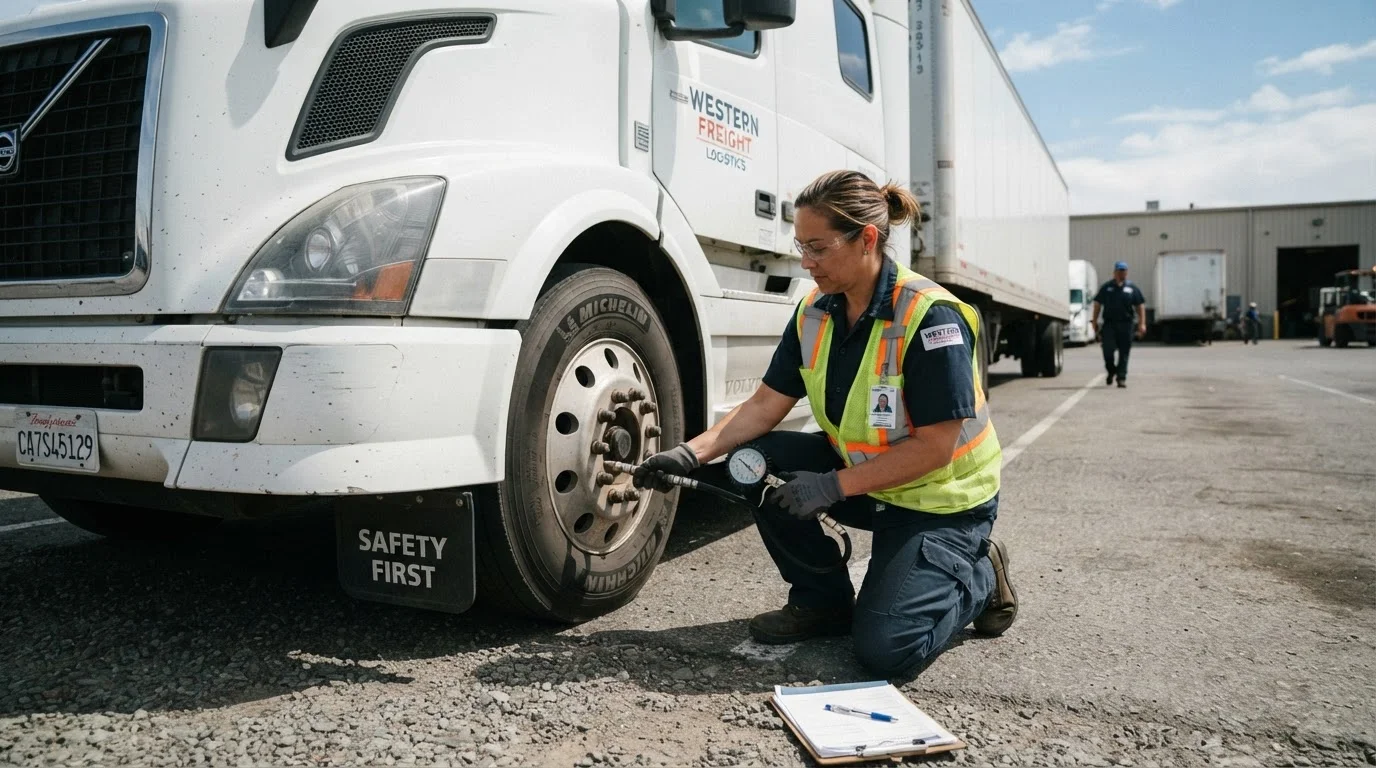
Photo credit: ResultsPoint.net | Find The Required Information
In this article
A practical pre-departure checklist covering tires, lights, fluids, emergency gear, and driver readiness before hitting the highway.
Key Takeaways
- Most pre-trip vehicle problems are visible or measurable before you pull out of the driveway.
- Tires, lights, and fluids are the three systems most likely to cause a highway breakdown.
- Emergency gear in the trunk takes minutes to assemble and can matter enormously roadside.
- Driver fitness — sleep, medication effects, and fatigue — is a safety variable just like any mechanical check.
- This walkthrough takes under an hour and applies before any trip over roughly 150 miles.
Why a Walkaround Pays Off Before Any Long Drive
Most highway breakdowns don't come out of nowhere. They trace back to something a driver could have caught the night before — a tire running low, a coolant reservoir sitting near empty, a brake light bulb that burned out weeks ago. The 20 to 45 minutes you spend on this checklist before departure is cheap insurance against a much longer delay on the shoulder of an interstate.
This walkthrough is organized into four areas: the vehicle exterior, under the hood, your in-car emergency supplies, and your own readiness as the driver. Work through them in order and check each item off as you go. For season-specific concerns like battery performance in winter or tire pressure shifts in heat, see our companion guide on seasonal car prep.
Tire pressure gauge
Measures actual tire PSI so you can inflate or deflate to the manufacturer's recommended level.
Tread depth gauge or quarter coin
Gives a quick read on how much usable tread remains on each tire.
Flashlight
Lets you inspect tires, undercarriage, and engine components in low-light conditions.
Portable phone charger
Ensures you can call for roadside assistance even if your phone battery dies during a breakdown.
Reflective triangles or road flares
Warns oncoming traffic when your vehicle is stopped on the shoulder of a highway.
Basic first-aid kit
Handles minor injuries at the roadside until emergency services can reach you.
The Full Pre-Drive Safety Checklist
Go through each group methodically. If you find something that needs a repair beyond a simple fix — a fluid leak, a cracked belt, a tire that won't hold pressure — have it looked at by a qualified mechanic before you depart, not after.
Exterior and Tires
Under the Hood
Emergency and Safety Supplies
Driver Readiness
Never Ignore a Warning Light Before Departure
If your check engine light, oil pressure light, or tire pressure monitoring system (TPMS) warning is illuminated when you start the car, do not assume it will resolve itself on the road. Have the vehicle diagnosed by a qualified mechanic before departing. Driving hundreds of miles with an unresolved warning can turn a minor issue into a serious breakdown or safety hazard.
Emergency Gear and Documents: Don't Leave Without Them
Having the right supplies in the trunk doesn't just give you options during a breakdown — it also gives you time. A reflective triangle or road flares let other drivers see you on the shoulder. A basic first-aid kit handles minor injuries until help arrives. And having a portable phone charger means you can always call for assistance.
Beyond gear, make sure your documents are in order. Your registration, proof of insurance, and driver's license should travel with you on every trip. For a full breakdown of what belongs in your glove box, see what to keep in your glove box.
Fatigue Is a Mechanical Problem, Too
Driver fatigue contributes to a significant share of highway crashes each year. If you slept poorly the night before or feel drowsy at the start of your drive, delay departure when possible. Caffeine can help temporarily but is not a substitute for adequate sleep. If drowsiness hits during the trip, pull off at a rest stop rather than pushing through.
If your trip involves unfamiliar territory or challenging driving conditions — mountain passes, desert highways, or winter roads — spend a few minutes reviewing safe driving habits experienced drivers rely on before you leave. And if snow or ice is in the forecast, driving on ice and snow for the first time is worth reading before you go.

Author
Autos Editorial Team
Autos Editorial Team is the collective byline for our editorial team and contributor network. Articles published under this byline or an editorial pen name are researched, written, and reviewed according to our editorial standards for clarity, consistency, and independence before publication.
View all articles →