
Seasonal Car Prep: What Changes Between Summer and Winter Driving
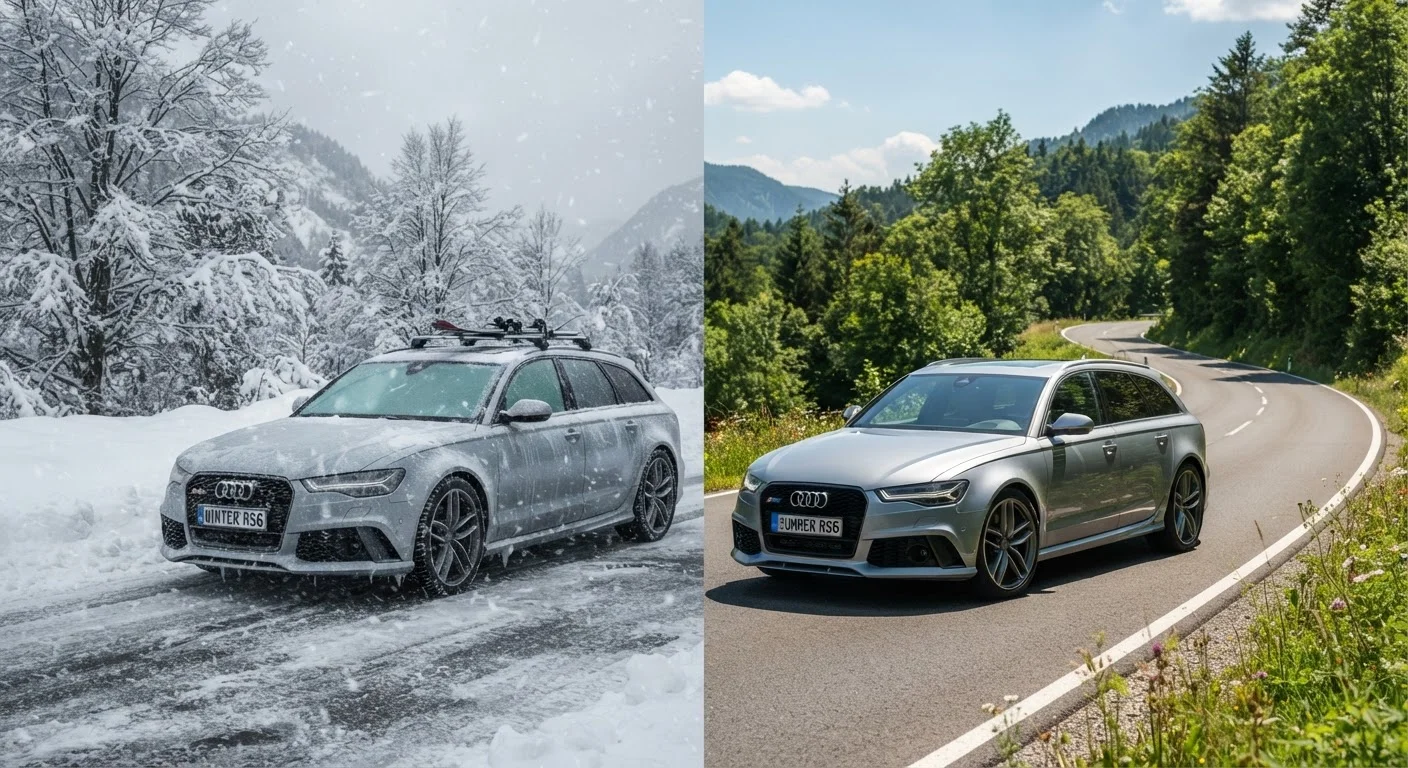
Photo credit: ResultsPoint.net | Find The Required Information
In this article
How temperature extremes affect your battery, tires, fluids, and wipers — and what to check before each season changes.
Key Takeaways
- Cold weather reduces tire pressure and battery output — both need checking before winter arrives.
- Summer heat accelerates fluid degradation and can cause tire blowouts from overinflation.
- Wiper blades and coolant concentration are often overlooked but are critical for seasonal safety.
- Most seasonal prep tasks take under an hour and can prevent costly breakdowns.
Why Seasons Matter to Your Car
Most car trouble isn't random — it's predictable. Temperature swings put specific, measurable stress on batteries, tires, fluids, and rubber components. Understanding which systems are vulnerable in which season helps you catch problems before they strand you.
This guide compares what changes between summer and winter driving conditions, and what to inspect as each season approaches. For a hands-on task list, see our seasonal maintenance checklist covering the full calendar year.
| System | Summer Risk | Winter Risk | |
|---|---|---|---|
| Battery | Heat degrades internal chemistry | Cold reduces cranking power | |
| Tires | Overinflation, blowout risk on hot pavement | Underinflation, reduced traction on ice | |
| Engine Oil | Breaks down faster in sustained heat | Thickens, slows lubrication at startup | |
| Coolant | Must prevent boiling over | Must prevent freezing in the block | |
| Wiper Blades | UV cracking, streaking in rain | Ice clogging, skipping on frozen glass | |
| Washer Fluid | Standard fluid is fine | Must be freeze-rated to avoid reservoir cracking |
Battery: Heat Drains It, Cold Exposes It
Car batteries suffer in both extremes — but differently. Summer heat speeds up internal chemical reactions, which accelerates corrosion and fluid evaporation inside the battery. That damage often doesn't show up until the temperature drops.
Cold weather then reveals the weakened battery: lower temperatures reduce a battery's ability to deliver cranking amperage, exactly when your engine needs more power to start. A battery that barely passed summer may fail entirely at 10°F.
What to do: Have your battery load-tested each fall — most auto parts stores do this at no charge. Look for corrosion around the terminals and clean it with a baking soda solution and a wire brush. Batteries generally last three to five years; if yours is approaching that range, consider replacing it before winter. Learn more in our guide on how a car battery works and when it's failing.
~1 PSI
Tire pressure lost per 10°F temperature drop
The U.S. Department of Energy notes that tire pressure falls approximately 1 PSI for every 10-degree Fahrenheit decrease in ambient temperature.
3–5 years
Typical car battery lifespan
Most automotive industry sources cite three to five years as an average battery service life, with hot climates shortening that range.
Tires: Pressure Drops in Cold, Danger Rises in Heat
Tire pressure changes with temperature — roughly 1 PSI for every 10°F shift. When winter arrives, tires that were properly inflated in summer can be dangerously underinflated. Low pressure increases wear, reduces fuel economy, and impairs handling.
In summer, the opposite risk exists: if you overinflate tires to compensate for winter pressure loss and forget to adjust, heat can push already-high pressure over safe limits — increasing blowout risk on hot pavement.
What to do: Check tire pressure when the car has been sitting for at least three hours — never after driving, when heat artificially inflates the reading. Use your door jamb sticker as the reference, not the number molded into the sidewall. In snow-prone areas, dedicated winter tires (not all-season) provide meaningfully better traction below 45°F. For wet-road behavior, our article on driving in heavy rain covers how tread depth affects stopping distance.
Check Tire Pressure in the Morning
Always measure tire pressure before you drive — not after. Even a short trip warms up the tires and inflates the reading by several PSI, giving you a false sense of security. A cold-tire reading taken after the car has sat overnight is the most accurate gauge of your actual inflation level.
Fluids and Engine Oil: Different Demands Each Season
Your engine runs on a chemistry set, and temperature changes the formulas. Here's what shifts between seasons:
- Engine oil: Conventional oil thickens in cold, making those first seconds after a cold start especially hard on engine components. Many mechanics recommend a slightly lower-viscosity oil (check your owner's manual) in colder climates. Our article on what happens inside an engine during a cold start explains exactly why this matters.
- Coolant/antifreeze: This fluid does double duty — it prevents freezing in winter and prevents boiling in summer. Have the concentration checked with an inexpensive tester each fall and spring. A 50/50 mix of coolant and distilled water is standard for most climates.
- Windshield washer fluid: Summer fluid will freeze solid in your reservoir in winter. Switch to a freeze-rated fluid before temperatures drop — ideally rated to at least -20°F in cold-climate states.
Brake fluid is hygroscopic, meaning it absorbs moisture over time, which lowers its boiling point. This matters most in summer, when heavy braking generates more heat. If you haven't had it changed in two or more years, check with your mechanic. See our guide on brake system warning signs for related red flags.
Wipers and Visibility: Overlooked Until You Need Them
Wiper blades degrade from UV exposure in summer and ice scraping in winter. Most blades need replacement every six to twelve months, yet many drivers leave worn blades on until they streak or skip badly.
Summer: Check that blades aren't cracked or stiff from heat. Heavy rain demands good blade contact — poor wiper performance is a real safety risk. Review our guide to driving safely in heavy rain for more visibility tips.
Winter: Standard blades can clog with ice and snow. Winter-specific blades use a rubber boot to keep the frame from icing up. If you live somewhere that regularly sees sleet or heavy snow, the swap is worth it. Replace blades in both directions — front and rear if your vehicle has a rear wiper.
Visibility prep also means checking your defroster grid (rear window) and ensuring your HVAC system can clear a fogged windshield quickly. These are simple checks that pay off on the first cold morning of the season. For a comprehensive pre-trip inspection, see our pre-drive safety walkthrough.

Author
Autos Editorial Team
Autos Editorial Team is the collective byline for our editorial team and contributor network. Articles published under this byline or an editorial pen name are researched, written, and reviewed according to our editorial standards for clarity, consistency, and independence before publication.
View all articles →