
How a Car Battery Actually Works — and How to Know When It's Failing
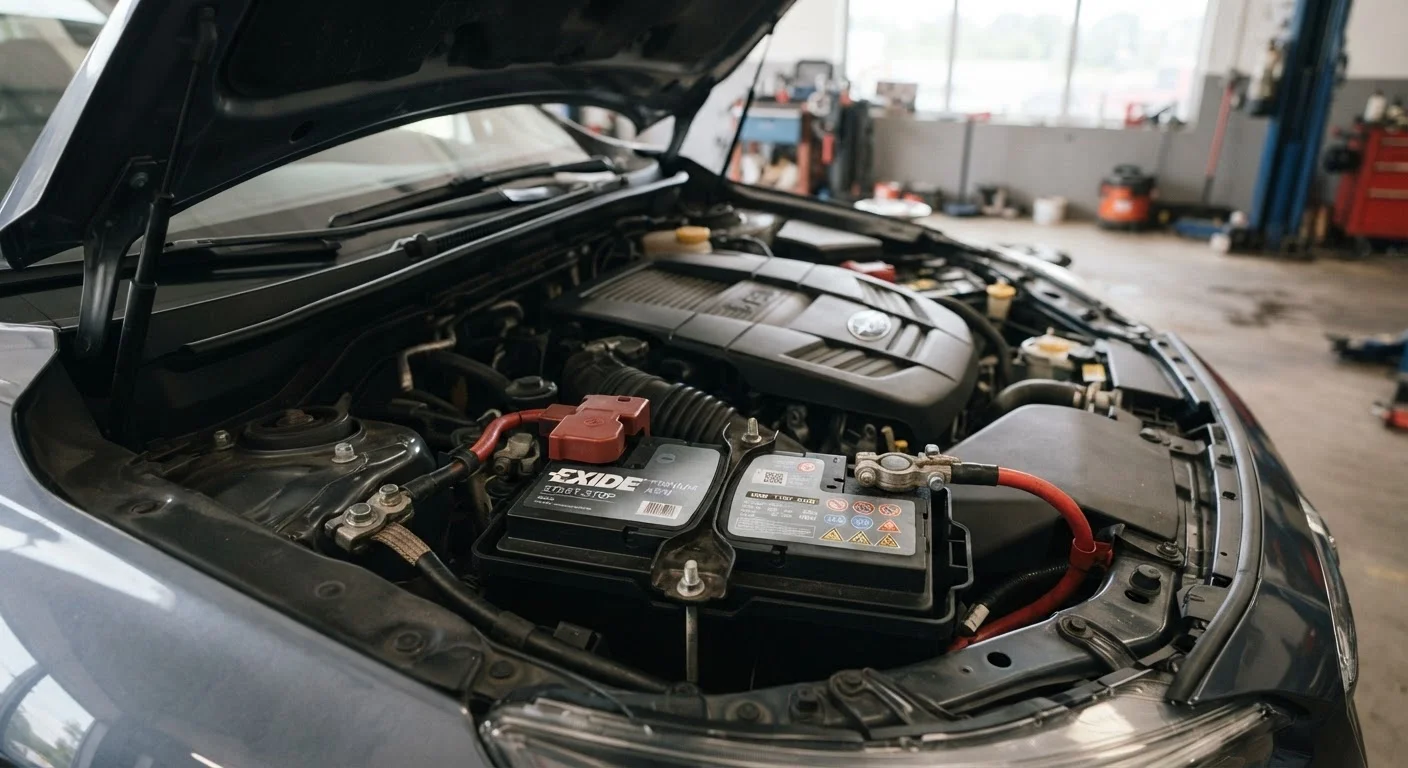
Photo credit: ResultsPoint.net | Find The Required Information
In this article
Understand what your car battery does, what shortens its lifespan, and the early warning signs that it's approaching the end of its service life.
Key Takeaways
- Car batteries typically last 3 to 5 years, depending on climate and driving habits.
- Short trips and extreme temperatures are among the biggest factors that shorten battery life.
- Slow engine cranking, dimming lights, and a swollen battery case are common failure warnings.
- A battery can be tested for free at many auto parts stores before it leaves you stranded.
- Battery maintenance is a routine part of keeping your vehicle reliable long-term.
What a Car Battery Actually Does
Your battery has one job when you turn the key or press the start button: deliver a large burst of electricity to the starter motor, which cranks the engine to life. That initial demand is significant — far more current than your headlights or radio ever draw. Once the engine is running, the alternator takes over as the primary power source and simultaneously recharges the battery for the next start.
Beyond starting, the battery acts as a buffer. It absorbs voltage spikes from the alternator and supplies power to electronics when demand briefly exceeds what the alternator can produce. Without a healthy battery, your vehicle's electrical system becomes unstable even if the alternator is working perfectly.
For a broader look at where battery care fits into your overall vehicle schedule, see your car's full maintenance schedule.
The Chemistry Behind the Power
Standard automotive batteries use a lead-acid chemistry. Inside the case, alternating lead and lead-dioxide plates sit submerged in a sulfuric acid solution called electrolyte. When the battery discharges, a chemical reaction between the plates and the acid produces electrons — that's the electricity flowing to your starter. When the alternator charges the battery back up, the reaction runs in reverse, restoring the plates to their original state.
Every charge-discharge cycle causes microscopic changes to the lead plates. Over time, a process called sulfation — where lead sulfate crystals build up on the plates — reduces the battery's capacity and ability to deliver current. Heat accelerates this degradation, which is why batteries in hot-climate states often fail sooner than those in cooler regions.
3–5 years
Typical car battery service life
Industry guidelines from battery manufacturers and automotive organizations consistently place average battery lifespan in the 3-to-5-year range under normal use.
~33%
Battery capacity lost at 0°F
The Battery Council International notes that a car battery can lose roughly a third of its power at freezing temperatures, and even more as temperatures drop further.
2x
Faster degradation in hot climates
Automotive research indicates that high-heat environments can roughly double the rate of battery degradation compared to moderate climates, shortening service life to around 3 years.
What Shortens Battery Life
Several factors wear a battery down faster than normal:
- Short trips: If most of your drives are under 20 minutes, the alternator may never fully recharge the battery. Repeated partial charges accelerate sulfation.
- Extreme temperatures: Heat degrades internal chemistry; cold reduces the battery's ability to deliver current. Both stress the battery in different ways. The seasonal prep guide covers how to manage both.
- Parasitic draw: A malfunctioning module or relay can slowly drain your battery overnight, even when the car is off.
- Vibration: A loose battery hold-down allows the case to shake, which can damage internal plates over time.
- Age: Even a well-maintained battery reaches the end of its useful life — typically around the 4- to 5-year mark.
Check Terminals When You Check the Oil
Each time you pop the hood for a routine oil check, take 30 seconds to glance at the battery terminals. Look for white or bluish powdery buildup — that's corrosion, and it increases electrical resistance. A terminal cleaning brush and a little baking-soda solution can clear mild corrosion, though a mechanic should assess any severe buildup.
Warning Signs Your Battery Is Failing
Recognizing the early signs of battery trouble can save you from an unexpected no-start situation:
- Slow or labored engine cranking — the engine turns over sluggishly before starting, especially on cold mornings.
- Dimming headlights or interior lights — particularly noticeable at idle when the alternator output is lowest.
- Battery warning light — illuminated on the dashboard, though this can also signal an alternator issue. See the dashboard warning lights guide for more context.
- Swollen or bloated battery case — caused by excessive heat, this is a sign the battery should be replaced promptly.
- Frequent need for jump-starts — a battery that can't hold a charge overnight has likely reached the end of its service life.
Many auto parts retailers offer free battery load tests, which measure whether the battery can hold voltage under the demands of starting. This test is worth doing annually after the battery passes the 3-year mark — or any time you suspect a problem.
Simple Habits That Help Your Battery Last
You don't need to be a mechanic to extend battery life. A few straightforward habits make a real difference:
- Take longer drives occasionally if most of your trips are short — it gives the alternator time to recharge the battery fully.
- Keep the battery terminals clean and tight. Corrosion (a white or bluish powder around the terminals) increases resistance and reduces charging efficiency.
- Have the battery and charging system tested when your vehicle goes in for routine service.
- If you store a vehicle for extended periods, a trickle charger (also called a battery maintainer) can prevent the battery from self-discharging to a damaging level.
Battery care is just one piece of the long-term ownership puzzle. If your vehicle is approaching higher mileage, keeping high-mileage vehicles on the road longer offers a broader set of maintenance priorities worth reviewing.
“The battery is often the last thing drivers think about until the morning they can't get to work. A few minutes of attention every year can prevent most unexpected failures.”
— ASE-Certified Master Technician, Automotive Service Excellence (ASE) Certified Master Technician, paraphrasing common industry guidance
Frequently Asked Questions

Author
Autos Editorial Team
Autos Editorial Team is the collective byline for our editorial team and contributor network. Articles published under this byline or an editorial pen name are researched, written, and reviewed according to our editorial standards for clarity, consistency, and independence before publication.
View all articles →