
Keeping High-Mileage Vehicles on the Road Longer
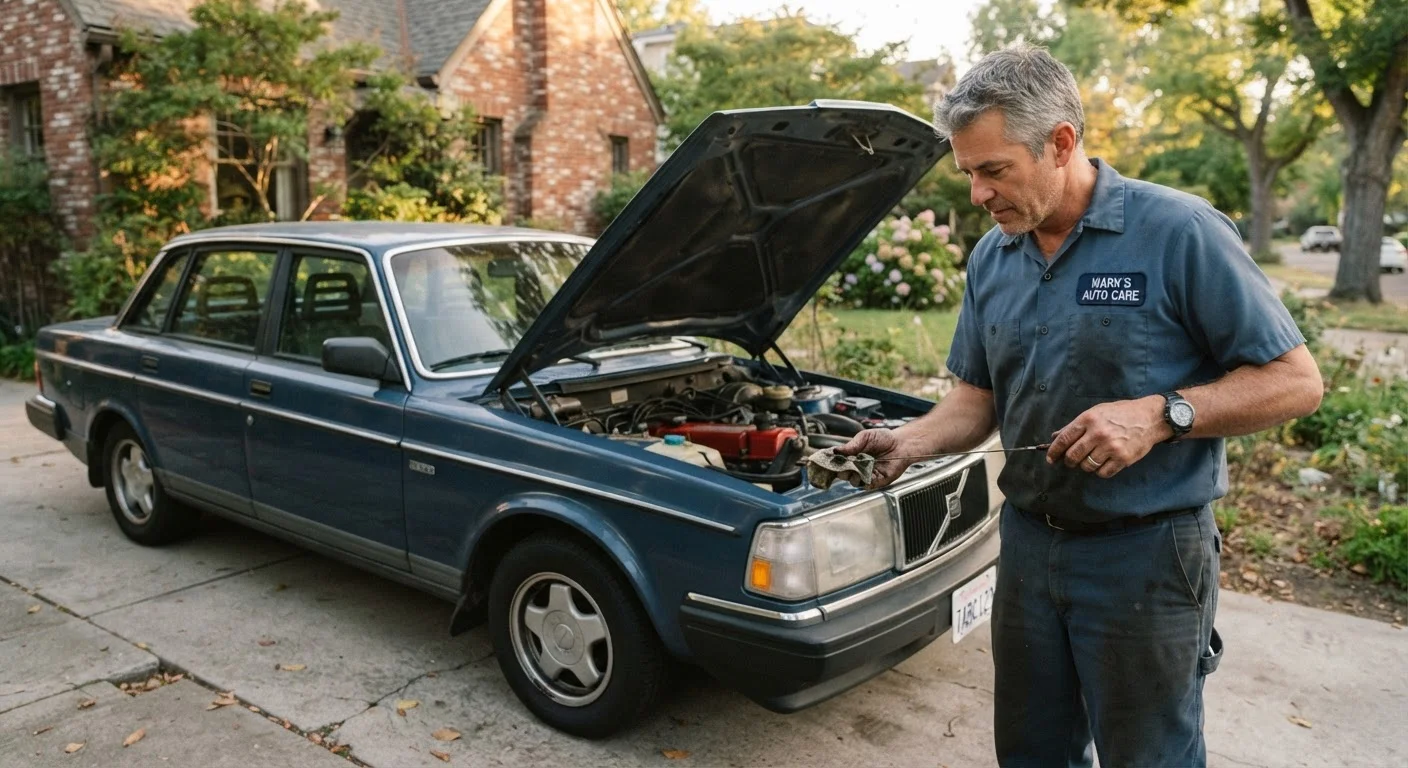
Photo credit: ResultsPoint.net | Find The Required Information
In this article
Cars crossing 100,000 miles need a different maintenance mindset. These evidence-based practices help extend engine life and prevent costly breakdowns.
Key Takeaways
- Switching to high-mileage oil and tightening fluid change intervals are the most impactful steps for engines past 100,000 miles.
- Rubber components — belts, hoses, and seals — degrade with age and heat, making visual inspections increasingly important at higher mileage.
- Detailed maintenance records help you spot patterns, avoid duplicate work, and make informed repair-versus-replace decisions.
- Addressing small warning signs early almost always costs less than letting a problem compound into a major repair.
Why High-Mileage Cars Need a Different Approach
Crossing 100,000 miles is a milestone, not a death sentence. Many vehicles run reliably well past 200,000 miles — but only when owners shift from a set-it-and-forget-it mindset to a more attentive one. Components that were brand-new at purchase are now worn, seals have experienced years of heat cycling, and small leaks that were nonexistent at 30,000 miles may now be quietly growing.
The good news: most of what keeps a high-mileage vehicle going is straightforward preventive maintenance. You don't need to be a mechanic. You need a schedule, a sharp eye, and a willingness to act before problems escalate. For a broader look at every system you'll be managing, see our complete owner's maintenance roadmap.
Switch to a high-mileage motor oil formulation and tighten your oil change intervals.
High-mileage oils contain conditioners that help revitalize aging seals and can reduce minor leaks and oil consumption. As engines wear, tolerances widen — more frequent changes reduce the chance of sludge buildup and accelerated wear. Check your owner's manual for interval guidance, then consult your mechanic about whether a shorter interval makes sense for your driving patterns.
Inspect and replace rubber components — belts, hoses, and gaskets — on a proactive schedule.
Rubber degrades from heat, age, and ozone exposure regardless of mileage. A failed serpentine belt or a burst coolant hose can cause engine damage far more expensive than the parts themselves. Visual inspections and manufacturer-recommended replacement intervals are your best defense.
Check and top off all fluids on a regular cadence, not just oil.
Transmission fluid, coolant, brake fluid, and power steering fluid all degrade over time and can cause serious system damage when neglected. High-mileage vehicles may consume or leak fluids more readily, so routine checks catch problems early.
Keep tires properly inflated and rotate them on schedule.
Correct tire pressure improves handling, fuel economy, and tire lifespan — all of which matter more when you're trying to extend a vehicle's useful life on a budget. Uneven wear from skipped rotations forces premature tire replacement. Our tire care guide covers everything from pressure checks to tread depth measurement.
Address warning lights and unusual sounds promptly — don't wait for a scheduled service.
Modern vehicles communicate problems through warning lights and audible cues before a failure occurs. Ignoring these signals allows minor issues to compound. An illuminated check-engine light, new brake squealing, or a new vibration all warrant prompt investigation.
Quick Actions You Can Take Today
Not every improvement requires a shop visit. Several of the most effective habits for high-mileage vehicles are things you can start right now — no tools required beyond what's likely already in your garage.
The Real Cost of Letting Things Slide
Deferred maintenance on a high-mileage vehicle is riskier than on a newer one — there's less buffer built in. A minor coolant leak ignored for six months can quietly overheat an engine. A cracked serpentine belt can strand you or cause accessory failure. As our coverage of how neglect compounds over time explains, the repair bills from skipped services consistently outpace what those services would have cost.
12+ years
Average age of vehicles on U.S. roads
According to S&P Global Mobility data, the average age of light vehicles in operation in the United States has been rising steadily, reflecting how long Americans are keeping their vehicles.
~$1,200
Estimated annual cost of routine maintenance
AAA research has consistently found that routine maintenance costs far less annually than the repair bills that result from deferred upkeep on aging vehicles.
Keeping organized records is part of the solution. When you know exactly what's been done and when, you avoid both duplicate work and gaps. Our guide on staying on top of vehicle paperwork covers practical ways to track service history without a filing system degree.
When to Weigh Repair vs. Replace
At high mileage, every major repair prompts the question: is it worth fixing? A general rule of thumb is to compare the repair cost against the vehicle's current market value and your remaining loan balance, if any. If a single repair exceeds roughly half the vehicle's value, and the car has a history of mounting issues, it may be time to evaluate alternatives. A trusted mechanic's input on overall vehicle condition — not just the one repair — is valuable here. This is general guidance; your financial situation is unique, so consider consulting a financial professional for decisions of this size.
Putting It All Together
High-mileage vehicle care isn't about finding magic fixes — it's about consistency. Pair tighter fluid intervals with routine inspections, address leaks before they grow, and keep your tires and brakes in good shape. Our seasonal maintenance checklist can help you build that consistency into a year-round routine, so nothing falls through the cracks.
If you're unsure whether a repair is worth the investment on an older vehicle, a trusted, independent mechanic can give you an honest assessment. No article — including this one — can substitute for eyes-on-the-car judgment about your specific situation.
“The vehicles that make it to high mileage aren't lucky — they're maintained. The owners who get 200,000 miles out of a car treat the maintenance schedule like a non-negotiable, not a suggestion.”
— John Nielsen, Former Managing Director of Automotive Engineering and Repair, AAA

Author
Autos Editorial Team
Autos Editorial Team is the collective byline for our editorial team and contributor network. Articles published under this byline or an editorial pen name are researched, written, and reviewed according to our editorial standards for clarity, consistency, and independence before publication.
View all articles →