
Warning Lights on Your Dashboard and What They're Actually Telling You
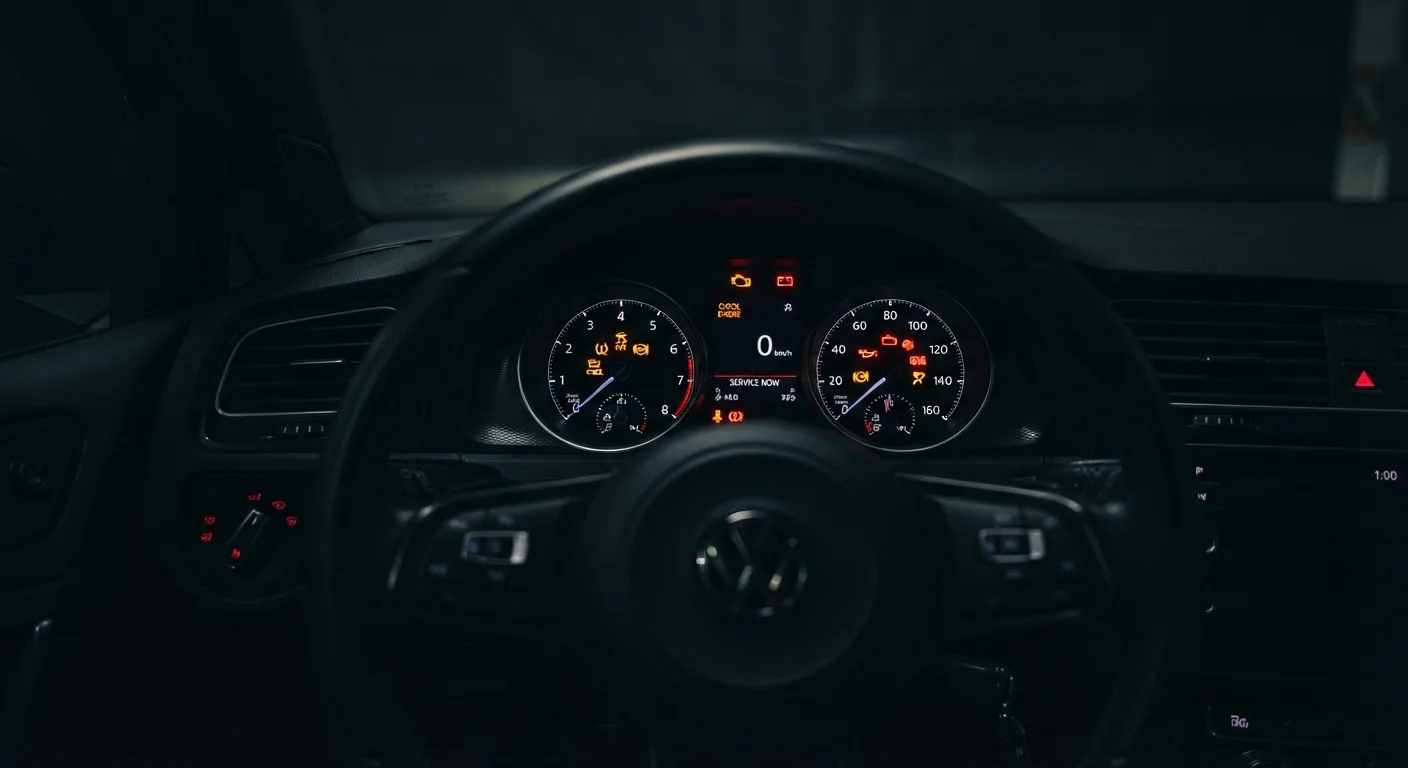
Photo credit: ResultsPoint.net | Find The Required Information
A reference guide to common dashboard warning lights — from check engine to TPMS — and what action each one calls for.
How Dashboard Warning Lights Work
Modern vehicles use an onboard diagnostics system (OBD) to continuously monitor dozens of sensors across the engine, transmission, brakes, emissions controls, and more. When a sensor detects something outside normal parameters, it triggers a warning light on your instrument cluster. The color of the light is your first clue about urgency.
Red lights signal immediate attention — stop driving or pull over safely as soon as possible. Amber or yellow lights indicate a condition that needs service soon but isn't necessarily an emergency right now. Green or blue lights are informational, confirming a system is active (high beams, turn signals, cruise control).
Understanding this color-coded system is the foundation. From there, recognizing the specific symbols helps you decide your next move. Before any long drive, it's worth checking that your dashboard is clear — see the pre-drive safety walkthrough for a full departure checklist.
| Color: Red | Stop or act immediately |
| Color: Amber / Yellow | Service needed soon |
| Color: Green / Blue | System active — informational |
| OBD standard in use since | 1996 (all U.S. passenger vehicles) (U.S. EPA OBD-II mandate) |
| TPMS required on U.S. vehicles | Model year 2008 and newer (NHTSA TPMS Final Rule) |
| Flashing check engine light | Reduce speed — get service immediately |
The Most Common Warning Lights Explained
Here's a plain-language breakdown of the lights most drivers encounter — and what action each one calls for.
OBD (Onboard Diagnostics)
A standardized system built into all vehicles sold in the U.S. since 1996 that monitors engine and emissions performance. Shops use an OBD scanner to read diagnostic trouble codes (DTCs) when a warning light appears.
MIL (Malfunction Indicator Lamp)
The technical name for the check engine light. It illuminates when the OBD system detects a fault outside normal operating parameters.
TPMS (Tire Pressure Monitoring System)
A federally mandated system on U.S. vehicles that alerts drivers when tire pressure drops significantly below the recommended level.
ABS (Anti-Lock Braking System)
A safety system that prevents wheel lockup during hard braking, allowing the driver to maintain steering control. An ABS fault does not disable conventional braking.
Catalytic Converter
An emissions control device in the exhaust system that converts harmful combustion byproducts into less harmful gases. Engine misfires can overheat and damage it.
DTC (Diagnostic Trouble Code)
A standardized alphanumeric code stored by the OBD system when a fault is detected. A mechanic or OBD scanner reads these codes to identify the root cause of a warning light.
Battery / Charging System
A red battery symbol means the electrical charging system isn't functioning correctly. This could be a failing alternator, a bad battery, or a loose connection. If this light appears while driving, minimize electrical load (turn off AC and stereo) and head to a shop promptly — the vehicle may lose power entirely once the battery drains.
Engine Temperature (Coolant Temp)
A red thermometer symbol or the word HOT indicates the engine is overheating. Pull over safely, turn off the engine, and do not open the radiator cap while the engine is hot. Continuing to drive with an overheated engine can cause severe — and expensive — damage. Learn more about keeping fluids in check with our guide to the fluids under your hood.
Oil Pressure
A red oil can symbol is one of the most critical lights on your dashboard. Low oil pressure can mean you're low on oil, have a leak, or your oil pump is failing. Stop driving immediately and check the oil level. Running an engine with low oil pressure can cause catastrophic internal damage within minutes.
Check Engine (MIL)
The amber engine outline — formally called the Malfunction Indicator Lamp (MIL) — covers a wide range of issues, from a loose gas cap to a failing catalytic converter. A steady light means schedule a diagnostic soon. A flashing check engine light indicates a more urgent condition, typically engine misfires that can damage the catalytic converter — reduce speed and get to a mechanic quickly.
Brake System
A red circle with an exclamation point (or the word BRAKE) can signal low brake fluid, a hydraulic fault, or that the parking brake is engaged. Release the parking brake first; if the light stays on, treat it as a safety concern and have the brakes inspected. For a deeper look at brake warning signs, see Reading Your Brake System.
TPMS (Tire Pressure)
An amber horseshoe symbol with an exclamation mark means one or more tires is significantly under- or over-inflated. Check all four tires with a gauge and inflate to the vehicle's specified pressure (found on the driver's door jamb sticker, not the tire sidewall). Proper tire pressure is a safety and fuel-economy issue — our tire care guide covers pressure checks and more.
ABS (Anti-Lock Braking System)
An amber ABS light means the anti-lock braking system has detected a fault. Your standard brakes still function, but the ABS — which prevents wheel lockup during hard stops — may not engage. Drive cautiously and schedule a diagnosis.
Traction Control / Stability Control
A car with wavy lines beneath it (sometimes labeled ESC or VSC) flashing means the system is actively working to maintain control, which is normal on slippery roads. If the light stays on steadily, the system may be deactivated or faulted — consult your owner's manual and have it checked.
Your Owner's Manual Is the Final Word
Warning light symbols are not fully universal — some manufacturers use proprietary icons or slightly different colors for the same system. When in doubt, your vehicle's owner's manual has a dedicated section showing every light specific to your make, model, and year. Many automakers also offer digital owner's manuals on their websites if you don't have a printed copy. A qualified mechanic with an OBD scanner can read stored diagnostic trouble codes and pinpoint the exact cause of any amber or red light.

Author
Autos Editorial Team
Autos Editorial Team is the collective byline for our editorial team and contributor network. Articles published under this byline or an editorial pen name are researched, written, and reviewed according to our editorial standards for clarity, consistency, and independence before publication.
View all articles →