
Tire Care From the Ground Up
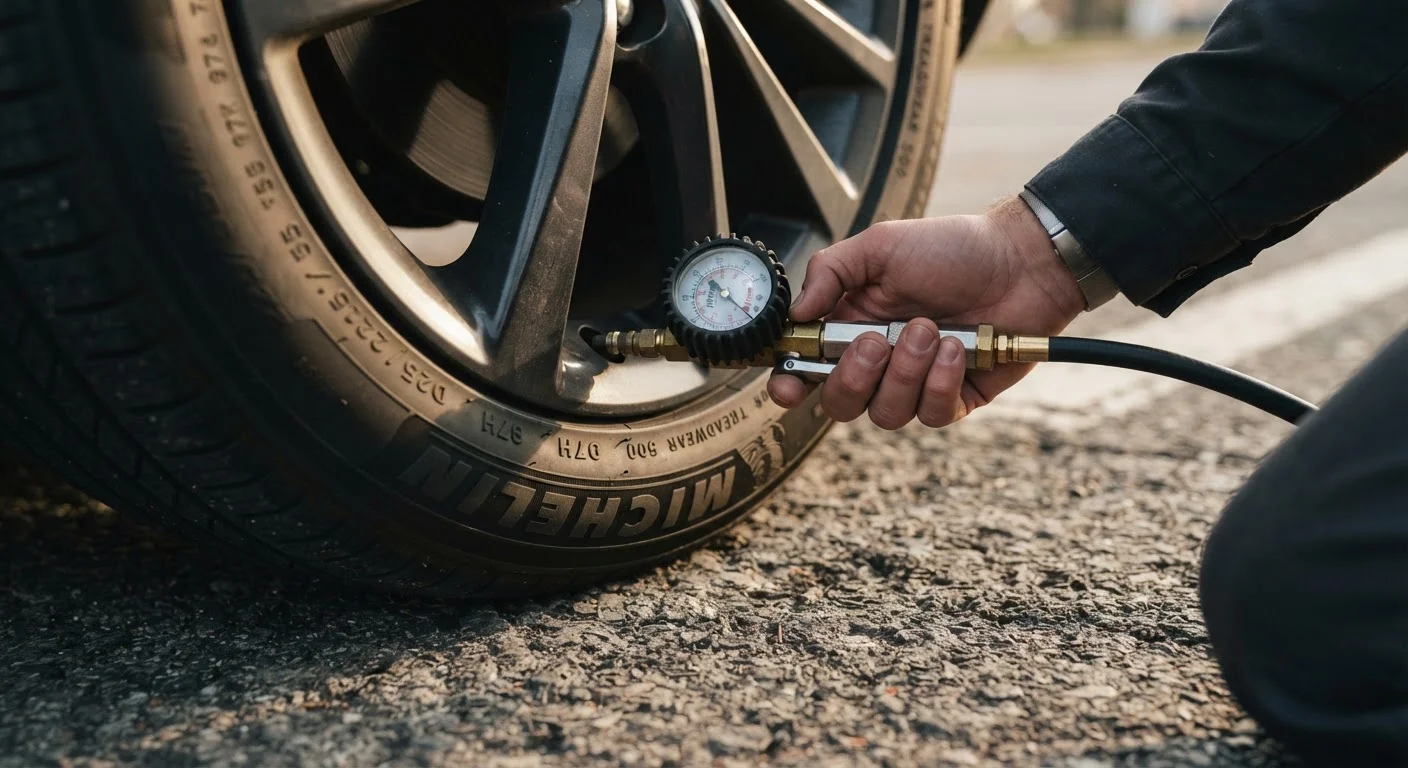
Photo credit: ResultsPoint.net | Find The Required Information
In this article
Pressure checks, rotation intervals, tread depth, and alignment — everything everyday drivers need to know to keep their tires safe and long-lasting.
Key Takeaways
- Check tire pressure monthly and always when tires are cold for an accurate reading.
- The penny test is a reliable, free way to gauge whether tread depth is dangerously low.
- Tires should be rotated roughly every 5,000–7,500 miles to even out wear.
- Misaligned wheels can destroy a tire's tread in a fraction of its expected lifespan.
- A quick visual walk-around before driving can catch slow leaks and sidewall damage early.
Why Tires Deserve Your Attention
Every safety system on your car — brakes, stability control, steering — depends on four tire contact patches roughly the size of a human hand. If those patches aren't in good shape, no amount of modern technology can fully compensate. Tires are the one component constantly in contact with the road, managing acceleration, braking, and cornering forces simultaneously.
The good news: tire care is largely straightforward. Most of what keeps tires safe and long-lasting comes down to four things — pressure, tread depth, rotation, and alignment. None of them require special tools beyond a basic gauge. For a broader view of where tires fit into your overall vehicle health, see this complete owner's roadmap.
PSI
Pounds per square inch — the unit used to measure tire inflation pressure in the United States.
Tread depth
The measurement from the top of a tire's rubber tread to the bottom of its deepest grooves. More depth means better grip, especially in wet conditions.
TPMS
Tire Pressure Monitoring System — an electronic sensor built into most newer vehicles that alerts the driver when a tire's pressure falls significantly below recommended levels.
Wheel alignment
The adjustment of the angles at which tires contact the road. When out of spec, tires wear unevenly and the vehicle may pull to one side.
Wheel balancing
A shop procedure that corrects small weight imbalances in a wheel-and-tire assembly to prevent vibration and uneven wear.
Hydroplaning
When a tire rides on a film of water instead of gripping the road surface, causing the driver to lose steering and braking control.
Tire Pressure: The One Check That Does the Most
Proper inflation is the single highest-impact tire habit. An underinflated tire flexes more than it should, building heat that wears the tire faster and can lead to a blowout. An overinflated tire has less grip and wears unevenly down the center of the tread.
Find your vehicle's recommended pressure on the sticker inside the driver's door jamb. Check pressure when tires are cold — meaning the car has been parked for at least three hours or driven less than a mile — because driving heats air and temporarily raises readings. A basic tire pressure gauge costs a few dollars at any auto parts counter and is worth keeping in your glove box.
Check Pressure in the Morning
Morning — before driving — is the best time to check tire pressure because the air is closest to ambient temperature. Even a short drive heats tires enough to raise pressure readings by several PSI, making it harder to get an accurate baseline. Keep a gauge in the glove box so it's always handy.
Many newer vehicles have a TPMS that alerts you when pressure drops significantly. However, TPMS typically triggers at 25% below recommended pressure — already low enough to affect handling. Don't treat a dashboard light as your primary reminder; monthly manual checks are still worthwhile. See what dashboard warning lights are actually telling you for more on TPMS alerts.
Tread Depth and When to Replace
Tread channels water away from the contact patch so the tire grips the road rather than floating on a film of water — a phenomenon called hydroplaning. As tread wears down, that water-evacuation ability diminishes and stopping distances in wet conditions increase substantially.
The easiest no-cost check: insert a penny into a tread groove with Lincoln's head pointing down. If you can see the top of Lincoln's head, tread depth is at or below 2/32 inch — the legal minimum in most states and a signal to replace immediately. For a safer margin in wet weather, the quarter test works better: a Washington quarter inserted the same way shows 4/32 inch remaining, which many safety organizations recommend as a practical replacement threshold.
Old Tires Can Fail Without Warning
A tire with plenty of tread remaining can still be structurally compromised if it's old. UV exposure, ozone, and temperature cycling break down the rubber compounds from the inside out. Always check the DOT date code when buying used tires or evaluating a set that's been on the car for several years.
Beyond wear, age matters. Rubber compounds degrade over time even if a tire looks fine. Most tire and vehicle manufacturers suggest replacing tires after six to ten years from the manufacture date — a four-digit code molded into the sidewall (called the DOT date code) tells you the week and year it was made.
Rotation, Balance, and Alignment
Rotation is the practice of moving tires between positions — front to rear, side to side, or in an X-pattern — according to your vehicle's drive configuration. Because front tires on a front-wheel-drive car handle both steering and power delivery, they wear significantly faster. Regular rotation, generally every 5,000–7,500 miles or at every oil change, evens out wear across all four tires and extends the life of the whole set. Check your owner's manual for the pattern recommended for your specific vehicle.
Wheel balancing corrects minor weight imbalances in the wheel-and-tire assembly. An out-of-balance wheel vibrates, wearing the tire unevenly and sending annoying shudder through the steering wheel. Balancing is typically done whenever tires are mounted or remounted, and when you notice vibration at highway speed.
Alignment refers to the angles at which your tires meet the road. Hitting a pothole, a curb, or a road hazard can knock alignment out of spec. Misalignment causes tires to scrub sideways with every rotation, shredding tread far ahead of schedule. If your car pulls to one side or you notice feathered or one-sided tread wear, have alignment checked by a qualified mechanic. The full maintenance schedule guide covers typical alignment check intervals alongside other service milestones.
Visual Inspections You Can Do Yourself
A 30-second walk-around before driving can catch problems before they become emergencies. Look for any tire that appears noticeably lower than the others — even slow leaks accumulate over days. Run a quick visual along the sidewalls for bulges, cuts, or cracking. A bulge in the sidewall typically means internal structural damage and warrants immediate attention from a tire professional; do not drive on it.
Also scan the tread surface for embedded objects. A nail or screw sitting in the tread may be holding pressure for now but will eventually cause a slow leak or sudden flat. Have a shop inspect and repair punctures rather than assuming the object is harmless.
Building this habit into your routine pairs well with the pre-trip checks outlined in this pre-drive safety walkthrough, which covers tires alongside lights, fluids, and emergency gear before any long drive. Seasonal changes also affect tires meaningfully — the seasonal maintenance checklist walks through what to check as temperatures shift.
Frequently Asked Questions

Author
Autos Editorial Team
Autos Editorial Team is the collective byline for our editorial team and contributor network. Articles published under this byline or an editorial pen name are researched, written, and reviewed according to our editorial standards for clarity, consistency, and independence before publication.
View all articles →