
Reading Your Brake System: Signs It's Time for Service
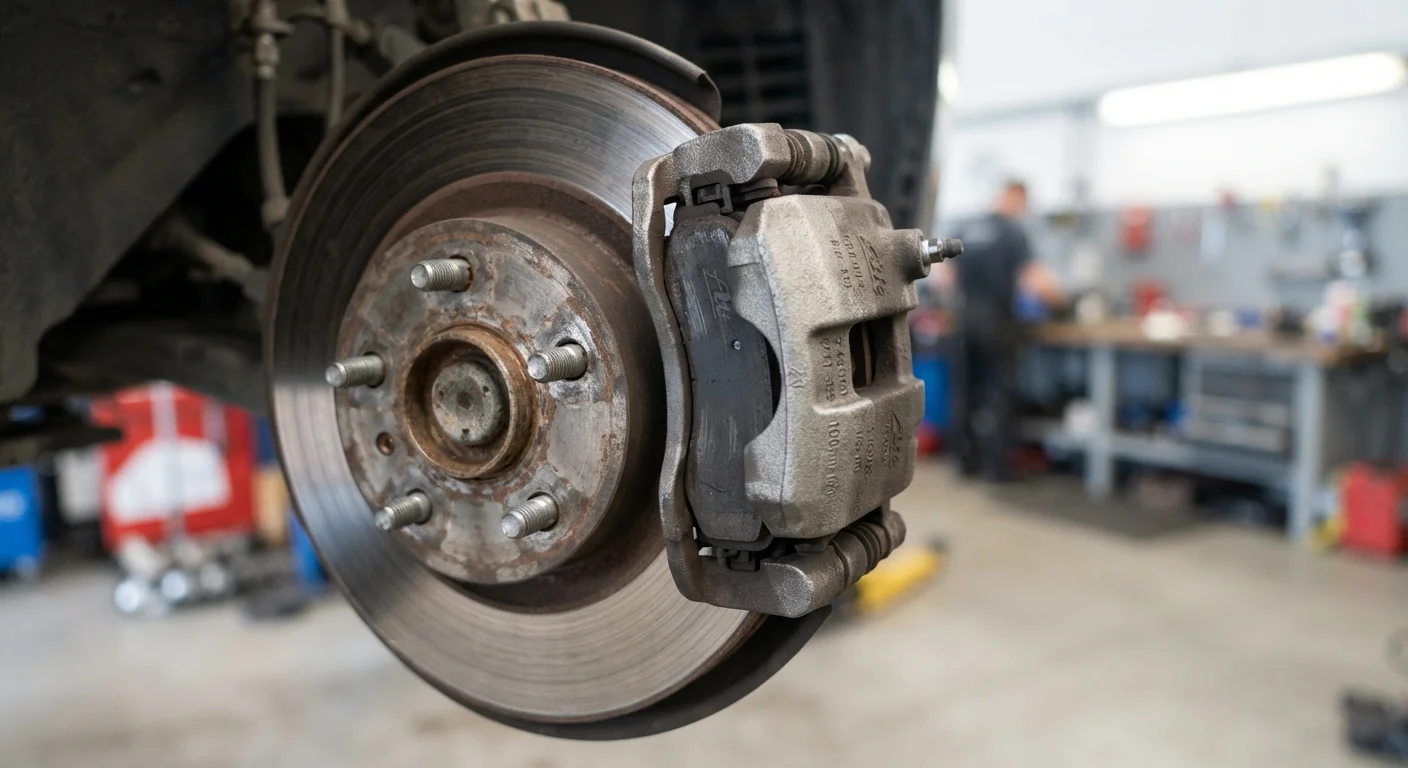
Photo credit: ResultsPoint.net | Find The Required Information
In this article
Squealing, grinding, pulling, and spongy pedals — learn what your brakes are communicating and when to take the car to a qualified mechanic.
Key Takeaways
- Squealing, grinding, or scraping noises are the most common early warning signs of worn brake pads.
- A soft or spongy brake pedal often points to air in the brake lines or deteriorating brake fluid.
- Pulling to one side when braking may indicate a stuck caliper or uneven pad wear.
- Most brake pads should be inspected at least once a year or every 12,000 miles — more often with heavy city driving.
- Some brake problems are invisible and odorless; a professional inspection catches what your senses can't.
What Your Brakes Are Trying to Tell You
Your brake system is one of the few vehicle systems that communicates its own decline — if you know what to listen and feel for. The signals range from obvious to subtle, but none should be dismissed. Understanding what each symptom points to helps you act at the right time, not after the problem has compounded.
Brakes are part of a broader picture of vehicle health. For context on where brake service fits into your overall maintenance timeline, see your car's maintenance schedule explained.
~25–70K
Miles typical brake pad lifespan range
The National Highway Traffic Safety Administration notes that brake wear varies significantly based on driving conditions, vehicle weight, and pad composition.
22%
Of vehicles with brake-related defects in roadside inspections
Federal Motor Carrier Safety Administration inspection data consistently shows brake systems among the top mechanical violations found during commercial vehicle inspections — a reminder of how commonly brake issues go undetected.
Common Warning Signs — and What They Mean
Squealing or High-Pitched Noise
Most brake pads contain a small metal tab called a wear indicator. When the pad wears down to a critical thickness, this tab contacts the rotor and produces a high-pitched squeal. It's intentional — the noise is your cue to schedule an inspection. Don't wait until the squeal disappears on its own; by that point, the pad is likely gone entirely.
Grinding or Metal-on-Metal Scraping
If squealing progresses to a deep grinding sound, the pad material has worn through and the metal backing plate is now contacting the rotor directly. This damages the rotor surface and reduces stopping effectiveness significantly. At this stage, the repair typically involves both pads and rotors — a more involved and costly service than catching the problem earlier.
Soft, Spongy, or Low Brake Pedal
A pedal that feels mushy or requires more pressure than usual — or that sinks closer to the floor before engaging — points to the hydraulic side of the system. Air in the brake lines or degraded brake fluid are the most common culprits. Brake fluid is hygroscopic, meaning it absorbs moisture over time; once it does, its boiling point drops and braking performance suffers.
Pulling to One Side
If the vehicle drifts left or right when you brake, one caliper may be sticking — applying uneven pressure across the two front wheels. Uneven pad wear can also cause pulling. Either way, have the system inspected; the issue won't correct itself and can increase stopping distances.
Vibration or Pulsing Through the Pedal
A pedal that vibrates or pulses under braking often indicates warped rotors. Rotors can warp from repeated heavy braking that generates excessive heat, or from uneven torquing of lug nuts that distorts the rotor's surface over time. The pulsing you feel is the caliper riding over high and low spots on the rotor face.
Build a Simple Brake Check Into Your Routine
Once a month, in a safe, empty area, perform a brief brake test: press firmly on the pedal and note whether the vehicle stops straight, the pedal feels firm, and there are no unusual sounds. This takes under a minute and can catch changes in brake feel before they become serious. Pair it with a visual tire check for a quick, habit-forming safety review.
When to See a Mechanic — and What to Expect
Any of the symptoms above warrant a professional inspection. Brake work isn't one of those maintenance tasks suited to guesswork or delayed action; stopping distance is directly tied to brake condition, and degraded brakes affect not just you but everyone else on the road.
During a brake inspection, a qualified mechanic will measure pad thickness, check rotor surface condition and thickness (rotors have a minimum spec below which they must be replaced), examine calipers for sticking or leaking, and test brake fluid quality. Ask for a written summary of findings before authorizing any work.
If your dashboard brake warning light has illuminated, treat it as urgent rather than optional — it can indicate low brake fluid, a hydraulic fault, or a problem with the ABS (anti-lock braking system). For a guide to what dashboard lights mean, see warning lights on your dashboard and what they're actually telling you.
Winter driving adds extra stress to brake components — moisture, road salt, and temperature swings all accelerate wear. If you live in a region with harsh winters, it's worth factoring brake inspection into your seasonal prep routine. Seasonal car prep guidance can help you build that habit.
Tires and brakes work together to stop your vehicle — worn or improperly inflated tires extend stopping distances even when brakes are in good condition. Tire care from the ground up covers what to check and when.
Frequently Asked Questions

Author
Autos Editorial Team
Autos Editorial Team is the collective byline for our editorial team and contributor network. Articles published under this byline or an editorial pen name are researched, written, and reviewed according to our editorial standards for clarity, consistency, and independence before publication.
View all articles →