
Driving in Heavy Rain: What Changes and What Doesn't
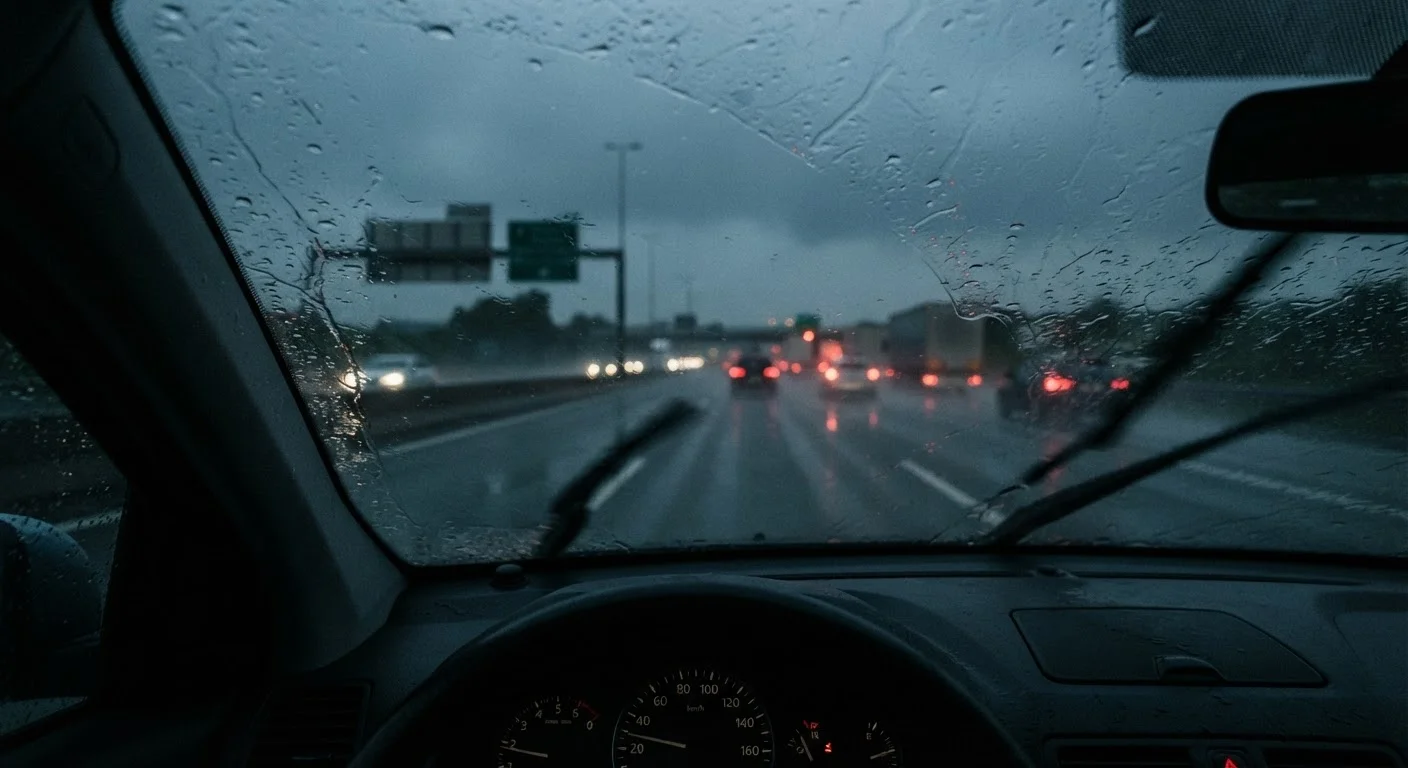
Photo credit: ResultsPoint.net | Find The Required Information
In this article
Rain affects visibility, braking, and traction in ways many drivers don't fully account for. Learn how to adjust your habits when conditions turn wet.
Key Takeaways
- Stopping distances roughly double on wet pavement compared to dry conditions.
- Your headlights should be on in rain — not just for your visibility, but so others see you.
- Tire tread depth and wiper condition determine how well your car actually handles rain.
- Slowing down is the single most effective adjustment you can make in heavy rain.
- Hydroplaning can occur at speeds as low as 35 mph on standing water.
Why Rain Demands Active Adjustments
Most drivers know rain is risky, but fewer fully account for exactly how much it changes the physics of driving. The road surface, your tires' grip, your stopping ability, and what you can see all degrade simultaneously — and they don't degrade equally.
Visibility loss is obvious. What's less intuitive is that braking distance increases even before visibility becomes a serious problem. Light rain washes road oil to the surface, creating slick conditions that can actually be more treacherous than heavy rain, which eventually flushes that oil away. By the time a rainstorm is heavy, you're managing reduced grip, reduced visibility, and reduced reaction time all at once.
Rain also changes what other drivers do — unexpected lane changes, sudden stops, and slower-moving vehicles all become more common. Your driving needs to account for them, not just the pavement.
Light Rain Can Be Slicker Than Heavy Rain
At the start of a rainstorm, water mixes with oil and rubber residue on the road surface, creating conditions that can be more slippery than a steady downpour. The risk often peaks in the first 15–20 minutes of rainfall. Slow down at the start of any rain event, not just when it intensifies.
If you frequently drive in challenging conditions, it's worth reading about how darkness compounds driving risk — night rain combines both hazards.
What Doesn't Change: Your Vehicle's Physical Limits
Rain doesn't change your car's fundamental engineering — but it does expose its limits faster. Tires with low tread can't channel water effectively regardless of how carefully you brake. Wipers past their service life won't clear a windshield no matter how high you set the speed. These are maintenance issues, not driving technique issues.
Windshield wipers
Clear rain from the windshield to maintain forward visibility — the most critical safety tool in rain.
Headlights
Improve your sightlines and make your vehicle visible to other drivers in low-visibility conditions.
Tire pressure gauge
Confirm tires are inflated to the manufacturer's recommended pressure, which affects wet-road grip.
Tread depth gauge or penny
Check that tires have sufficient tread to channel water away from the contact patch.
Before rainy season sets in, check tread depth using the penny test: insert a penny into the tread groove with Lincoln's head facing down. If you can see the top of his head, the tread is below 2/32 of an inch — generally considered the replacement threshold. For a broader vehicle readiness checklist, the seasonal car prep guide covers what to inspect as conditions change.
Your braking system, tire inflation, and lighting are the three areas where deferred maintenance most directly affects rain safety. Address them before the weather forces the issue.
Worn Tires Dramatically Increase Hydroplaning Risk
Tire tread channels water away from the contact patch between your tire and the road. Once tread depth drops below the replacement threshold, that channeling ability is significantly reduced. Driving on worn tires in rain is one of the most common — and preventable — contributors to wet-road crashes.
Step-by-Step: Adjusting Your Driving in Heavy Rain
Check your wipers and lights before you leave
Worn wiper blades streak instead of clearing, which can be worse than no wipers at all in a heavy downpour. Test them on a dry windshield with washer fluid before the weather turns. If they skip, chatter, or leave wide arcs of water, replace them.
Confirm your headlights, taillights, and brake lights work. Many states require headlights any time wipers are in use — but beyond legality, it's the single fastest way to make sure oncoming drivers can see you through rain and road spray.
Reduce your speed meaningfully
Wet pavement reduces friction between your tires and the road. Braking distances increase — in many cases they roughly double at highway speeds compared to dry conditions. The posted speed limit reflects dry-road assumptions; it is not a target for rain.
A practical approach: drop 5–10 mph below the posted limit in moderate rain, and more in heavy rain or reduced visibility. This isn't timid driving — it's building in the reaction time and stopping distance the conditions require.
Increase your following distance
The standard three-second following distance is designed for dry roads. In rain, extend it to at least five or six seconds. Count from when the vehicle ahead passes a fixed point — a sign, a lane marker — to when your front bumper reaches the same point.
This gives you time to respond if the car ahead brakes suddenly or if you hit a patch of standing water. For more on building consistent space habits, see safe driving habits experienced drivers rely on.
Brake gently and early
Sudden, hard braking on wet roads can cause wheels to lock or trigger repeated ABS (anti-lock braking system) activation, both of which extend stopping distance. Brake earlier than you think you need to, using steady, progressive pressure.
If your car has ABS and you feel the pedal pulse under your foot, that's the system working — maintain pressure and steer. Do not pump the brakes on a vehicle with ABS; that defeats the system's purpose.
Watch for standing water and avoid it when safe
Standing water — particularly in dips, intersections, and highway shoulders — is where hydroplaning risk is highest. Hydroplaning occurs when a layer of water builds between your tires and the road faster than the tread can channel it away, causing a momentary loss of steering and braking control. It can happen at speeds as low as 35 mph with worn tires or deep water.
If you can't avoid standing water, slow down before you reach it. If you feel the steering go light or hear a change in road noise, ease off the gas gradually and hold the wheel steady. Avoid sharp steering inputs or hard braking until grip returns. For a deeper look, see what drivers get wrong about hydroplaning.
Pull over safely if conditions exceed your visibility
When rainfall becomes severe enough that you cannot see lane markings or the vehicles immediately ahead, pull off the road and stop. Use a parking lot, a rest area, or pull as far off the shoulder as possible with your hazard lights on.
Waiting out a heavy band of rain is often a 10–15 minute decision. It is not a failure of confidence — it's the correct call when visibility drops below a safe threshold.
Rain is one of the most manageable road hazards when you make deliberate, consistent adjustments. The same habits that help in rain also transfer to other challenging conditions — see driving on ice and snow for the first time for how these principles apply in winter weather.

Author
Autos Editorial Team
Autos Editorial Team is the collective byline for our editorial team and contributor network. Articles published under this byline or an editorial pen name are researched, written, and reviewed according to our editorial standards for clarity, consistency, and independence before publication.
View all articles →