
Night Driving: How Darkness Changes Your Risk Profile Behind the Wheel
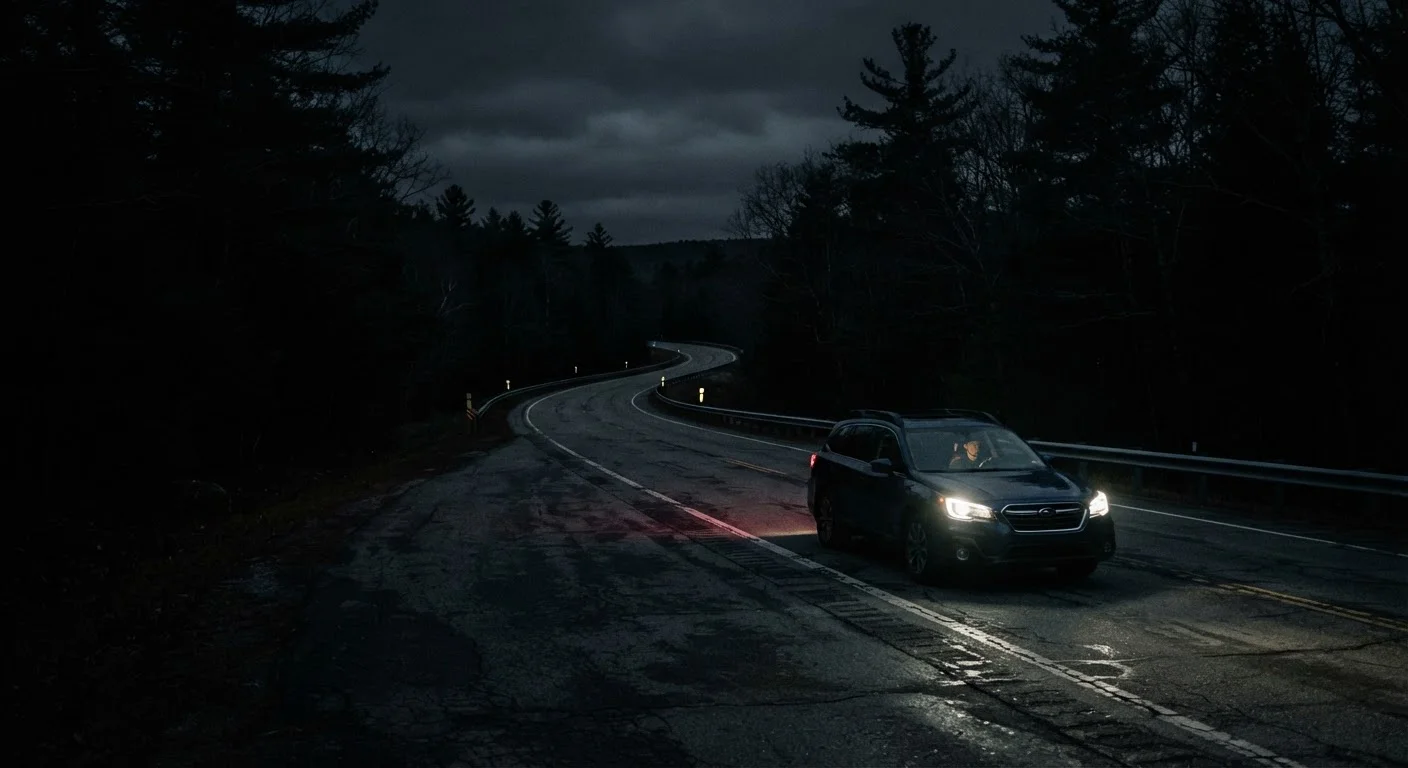
Photo credit: ResultsPoint.net | Find The Required Information
In this article
Fatality rates rise sharply after dark. Understand why nighttime driving is more dangerous and what habits meaningfully reduce the risk.
Key Takeaways
- Fatality rates per mile driven are nearly three times higher at night than during the day.
- Human vision degrades sharply in low light — depth perception, color recognition, and peripheral vision all suffer.
- Drowsy and impaired drivers are disproportionately present on roads after midnight.
- Headlight reach is limited; driving faster than your lights allow is called 'overdriving your headlights.'
- Simple habit adjustments — slower speed, greater following distance, clean headlights — meaningfully reduce nighttime risk.
The Numbers Behind After-Dark Danger
Traffic volumes drop substantially between 9 p.m. and 6 a.m., yet this period accounts for a disproportionate share of fatal crashes. According to NHTSA data, the fatality rate per mile driven at night is roughly three times higher than during daylight hours. Fewer cars on the road does not translate to safer roads after dark.
Several factors stack on top of each other during nighttime hours. Reduced visibility is the most obvious, but the driver population also shifts — alcohol-impaired driving peaks between midnight and 3 a.m., and drowsy driving follows a similar pattern. You are not just dealing with darkness; you are sharing the road with a higher concentration of compromised drivers.
~3x
Higher fatality rate per mile at night vs. daytime
Based on NHTSA crash data showing nighttime fatalities relative to traffic volume.
~160 ft
Typical low-beam headlight reach
At 60 mph, a car covers that distance in under two seconds, leaving minimal reaction margin.
50%
Of traffic fatalities occur at night
Despite nighttime hours accounting for a far smaller share of total miles driven nationally.
What Darkness Actually Does to Your Vision
Human eyes are not designed for high-speed navigation in the dark. In low-light conditions, your visual system shifts from cone cells (which handle color and sharp detail) to rod cells (which are better in darkness but slower and colorblind). The practical result: your depth perception degrades, your ability to judge oncoming speed drops, and your peripheral vision narrows noticeably.
Glare compounds the problem. Oncoming headlights can cause temporary blindness lasting two to five seconds — enough time to travel the length of a football field at highway speed. Looking slightly to the right edge of the road rather than directly at approaching lights is a simple habit that reduces glare impact.
Age matters too. A 50-year-old driver may need significantly more light to see as clearly as a 30-year-old. Drivers over 60 are particularly affected by glare recovery time. These aren't reasons to avoid driving at night; they're reasons to adjust expectations and speed accordingly.
Simple Fix: Clean Your Headlight Lenses
Yellowed or hazy headlight covers are one of the most overlooked safety issues on older vehicles. Oxidation can cut light output by more than half, dramatically reducing your sight distance at night. Restoration kits are widely available, or a shop can resurface the lenses quickly and affordably.
Overdriving Your Headlights — and Why It's Dangerous
"Overdriving your headlights" means traveling at a speed where your stopping distance exceeds the distance your headlights illuminate. At 60 mph on low beams, you're effectively driving half-blind relative to your stopping needs. Even on familiar roads, debris, animals, or stopped vehicles can appear with no time to react.
The fix is straightforward: reduce speed at night, especially on unlit rural roads. Use high beams on empty stretches and switch to low beams when approaching oncoming traffic. Make sure your headlights are aimed correctly — misaligned headlights are common and easily corrected at most auto shops. Keep lenses clean; oxidized, yellowed lenses can reduce light output dramatically.
Following distance also needs to increase at night. Your reaction time doesn't get faster in the dark, and the hazards you need to react to become visible much later.
Fatigue: Night Driving's Silent Multiplier
Darkness and fatigue reinforce each other in dangerous ways. Your body's circadian rhythm naturally drives down alertness in the late-night and early-morning hours — even if you feel awake. Cognitive performance, reaction time, and decision-making all decline, sometimes without the driver noticing. Drowsy driving impairs judgment in ways that closely mirror alcohol impairment, yet most drivers dramatically underestimate how impaired they've become.
Warning signs to take seriously: drifting between lanes, missing exits, heavy eyelids, or the unsettling realization that you don't remember the last few miles. If any of these occur, pull over safely. There is no reliable way to drive through serious fatigue.
Alcohol and Night Driving: A Dangerous Overlap
Drunk driving arrests and fatal alcohol-related crashes are heavily concentrated in the late-night and early-morning hours, particularly on weekends. If you're driving after midnight, statistically you are more likely to encounter an impaired driver than at any other time. Staying alert, scanning intersections carefully, and maintaining extra space around your vehicle are all more important during these hours.
Practical Habits That Make a Real Difference
The adjustments that reduce nighttime risk aren't complicated — they require consistency more than skill. A few that genuinely matter:
- Slow down. Speed limits are set for average conditions. Night is not average conditions.
- Increase your following distance. The standard three-second gap should extend to four or five seconds after dark.
- Dim your dashboard. Bright interior lighting makes it harder for your eyes to adapt to the dark outside.
- Keep your windshield clean inside and out. Interior film scatters oncoming light and worsens glare significantly.
- Use high beams deliberately. Many drivers underuse them on empty rural roads where they provide the most benefit.
Defensive driving principles apply with extra force at night: scan farther ahead, expect the unexpected, and build in extra margin at intersections and curves. Nighttime driving doesn't have to be avoided — it just has to be approached with an accurate understanding of how different it actually is.
Frequently Asked Questions

Author
Autos Editorial Team
Autos Editorial Team is the collective byline for our editorial team and contributor network. Articles published under this byline or an editorial pen name are researched, written, and reviewed according to our editorial standards for clarity, consistency, and independence before publication.
View all articles →