
Defensive Driving: The Principles That Actually Keep You Out of Crashes
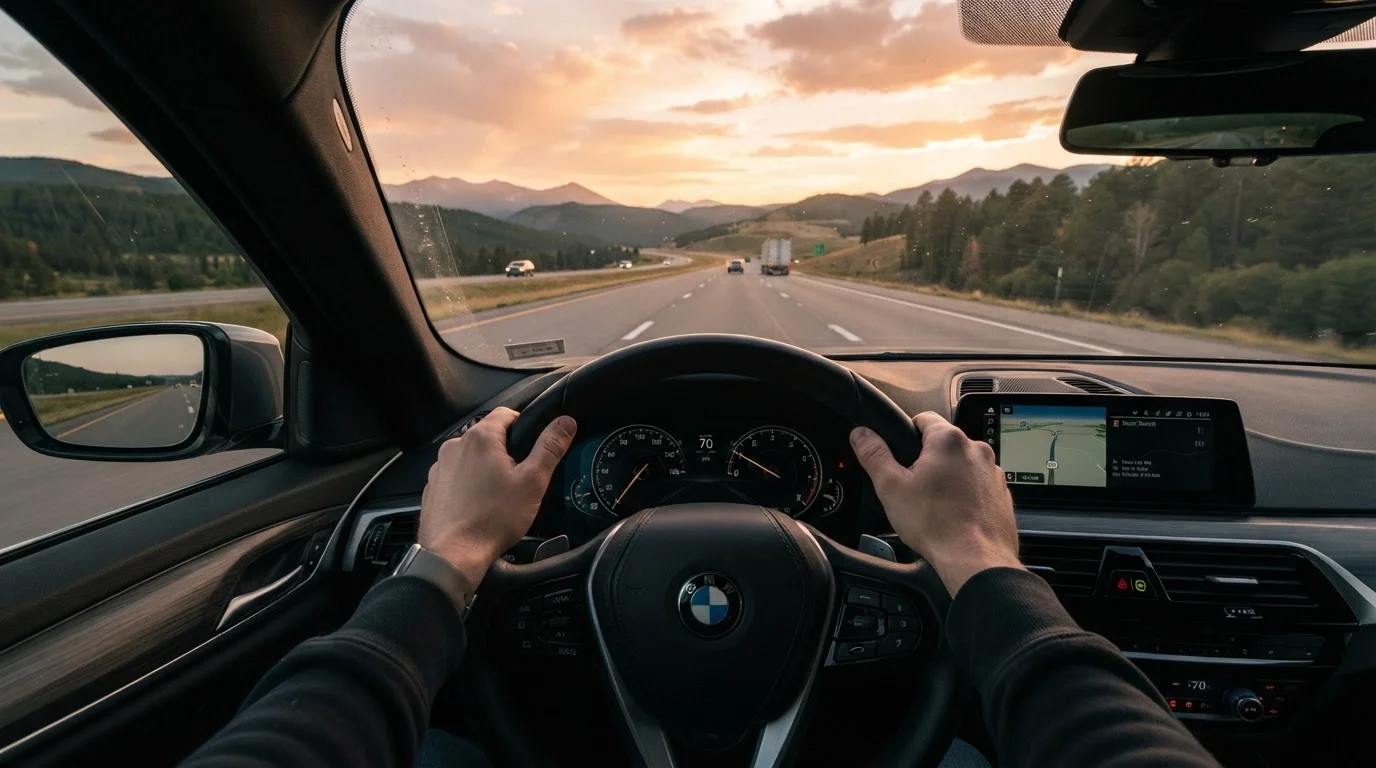
Photo credit: ResultsPoint.net | Find The Required Information
In this article
Defensive driving is more than a slogan. Learn the core habits and mental models that help drivers anticipate and avoid dangerous situations.
Key Takeaways
- Defensive driving is a mindset of anticipation, not just reaction.
- Maintaining a buffer of space around your vehicle is your most reliable safety tool.
- Scanning far ahead and identifying hazards early gives you more time to respond.
- Most crashes involve driver error, meaning they are largely preventable.
- Conditions like rain, darkness, and congestion require deliberate adjustments to your habits.
What Defensive Driving Actually Means
Defensive driving isn't a single technique — it's a posture. It means operating your vehicle with the assumption that other drivers, road conditions, or unexpected events may demand a response at any moment. Rather than reacting after danger appears, a defensive driver tries to recognize it early enough to avoid it entirely.
The term gets used loosely, but its core idea is straightforward: you can't control what other drivers do, but you can control your position, speed, attention, and decisions. Those four things determine whether a bad situation becomes a crash or just a close call.
This approach is distinct from aggressive driving — which pushes for speed and position — and also from passive driving, which mostly just follows traffic. Defensive driving is deliberate and active without being reckless.
The Core Principles
Across driver education programs and traffic safety research, a handful of principles consistently emerge as the foundation of crash avoidance:
- Stay alert. Attention is your primary resource behind the wheel. Distractions — phone use, eating, adjusting controls — narrow your ability to detect hazards in time to act.
- Expect the unexpected. Treat intersections, merges, and lane changes as moments where something could go wrong, even when conditions look clear.
- Maintain a buffer. Space around your vehicle is time. More space equals more options when you need to brake or maneuver.
- Adjust for conditions. Speed limits reflect ideal conditions. Rain, darkness, heavy traffic, and road construction all warrant a reduction in speed and an increase in following distance.
- Control only what you can. You cannot dictate how others drive. Focus your mental energy on your own positioning and decisions.
Use the 'commentary driving' technique: narrate potential hazards out loud as you drive — parked car door, kid on sidewalk, merging truck. Verbalizing what you see forces your brain to actually process it rather than glaze over it.
This technique is used in professional driver training because it actively engages attention and prevents the mental autopilot that makes experienced drivers paradoxically prone to complacency.
At a red light, leave enough space in front of you to see the rear tires of the car ahead touching the pavement. This gives you room to maneuver if you need to pull around a disabled vehicle — or escape an unsafe situation.
Intersection stops are a common point of vulnerability. Maintaining a visible gap ahead preserves your options and is a habit taught in advanced driving programs.
These principles work together. Staying alert helps you see hazards early. Maintaining space gives you room to act. Adjusting for conditions means your reactions remain effective even when traction or visibility is reduced.
Managing Space Around Your Vehicle
Space is the most underrated safety tool available to every driver. Most people focus on the car directly in front of them, but a well-managed buffer extends in all four directions — ahead, behind, and to both sides.
Following distance is the most commonly discussed element, and for good reason. At 60 mph, a typical passenger vehicle needs over 200 feet to come to a complete stop. Most drivers maintain far less than that. See why your following distance is never as safe as you think for a detailed breakdown of stopping distances at common highway speeds.
Side buffers matter too. Avoid lingering in another driver's blind spot — either pass decisively or fall back. On multi-lane roads, position yourself where you have at least one open lane as an escape route if something goes wrong ahead.
Manage Your Buffer, Not Just Your Speed
When traffic tightens, most drivers only think about slowing down. But increasing the space around all four sides of your vehicle — not just in front — gives you more escape routes and reaction time. On congested highways, this often matters more than speed alone.
Rear buffer is trickier because you can't control the driver behind you. What you can do is give yourself more room in front, so that if you need to brake, you can do it gradually rather than suddenly — reducing the risk that a tailgater hits you from behind.
Reading Traffic Before It Becomes a Problem
Experienced drivers scan well ahead — not just the car in front, but two to four vehicles down the road. Brake lights several cars ahead give you warning before the car directly in front of you even reacts. This early awareness translates directly into more reaction time.
Watch for behavioral cues: a car drifting toward a lane line, a driver looking at their phone, brake lights flickering in stop-and-go traffic. These are signals that something is about to happen. You don't need to predict exactly what — you just need to be ready.
Intersections deserve extra attention. A significant share of crashes happen at intersections, often because a driver ran a red light or failed to yield. Even when you have the legal right of way, glancing left and right before proceeding takes less than a second and can make the difference.
For a deeper look at one of the most common sources of unexpected hazards, see understanding blind spots and how to work around them.
~94%
Crashes involving driver error
According to NHTSA research, roughly 94% of serious crashes can be tied to driver choice or error as a critical reason.
3 seconds
Minimum recommended following distance
Traffic safety guidelines generally recommend at least a 3-second gap under ideal conditions, increasing to 4–6 seconds in rain or reduced visibility.
The Driver as the Last Line of Defense
Modern vehicles offer significant safety technology — automatic emergency braking, lane departure warnings, blind-spot monitoring. These systems are genuinely useful, but they are supplements to attentive driving, not substitutes for it. They have limits: sensor range, weather interference, speed thresholds, and the simple reality that no system can anticipate every scenario.
Crashes Are Mostly Preventable
NHTSA data consistently shows that driver error is the critical factor in the vast majority of serious crashes. That's not meant to assign blame — it's meant to be empowering. The habits covered in this guide, applied consistently, address the exact behaviors that lead to most collisions.
The driver remains the most important safety element in any vehicle. Technology can reduce the severity of a crash or prevent one in specific circumstances, but the habits described in this guide operate at a broader level — they reduce your exposure to dangerous situations in the first place.
Safe driving habits that experienced drivers quietly rely on covers many of the low-profile practices — consistent mirror checks, intersection scanning, managing space cushions — that keep skilled drivers out of trouble over a lifetime of driving.
Conditions That Demand Extra Attention
Several conditions consistently raise crash risk and require deliberate adjustments:
- Rain and wet roads
- Wet pavement significantly extends stopping distance and can cause hydroplaning, where tires lose contact with the road surface. Slow down, increase following distance, and avoid sudden steering or braking inputs. See what drivers get wrong about hydroplaning for how to respond if your car loses traction.
- Night driving
- Visibility drops sharply after dark, and reaction time effectively shortens. Fatigue also peaks during nighttime hours. Night driving carries a measurably higher fatality rate — understanding why helps you compensate.
- Heavy traffic and congestion
- Stop-and-go conditions compress following distances and increase rear-end crash risk. Stay off your phone, watch brake lights several cars ahead, and resist the urge to close gaps aggressively.
- Vehicle condition
- Defensive driving only works as well as your vehicle allows. Worn tires dramatically reduce traction and braking performance. Tire care from the ground up covers the basics every driver should know.
Driving Laws Vary by State
Speed limits, following distance rules, and legal requirements around phone use or hands-free devices differ from state to state. The principles in this article reflect broadly accepted safety practices, but always verify the specific laws in your state and any state you drive through.
This article is intended for general informational purposes. Always follow local traffic laws and consult official driver safety resources for guidance specific to your state or region.

Author
Autos Editorial Team
Autos Editorial Team is the collective byline for our editorial team and contributor network. Articles published under this byline or an editorial pen name are researched, written, and reviewed according to our editorial standards for clarity, consistency, and independence before publication.
View all articles →