
Understanding Blind Spots: Where They Are and How to Work Around Them
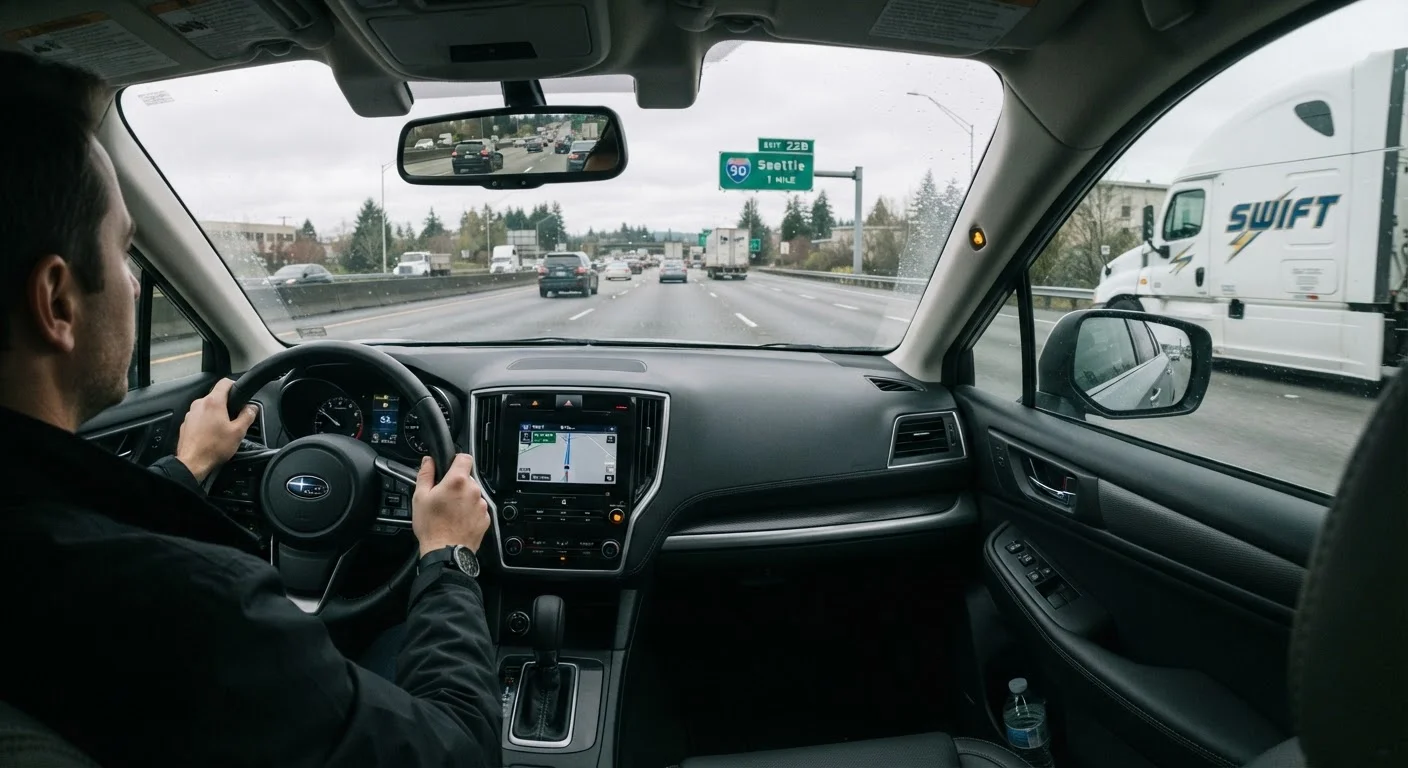
Photo credit: ResultsPoint.net | Find The Required Information
In this article
Every vehicle has blind spots that mirrors alone can't cover. Learn where they fall, how to check them, and how to minimize risk when changing lanes.
Key Takeaways
- Mirrors cover most of your surroundings but leave two significant zones along each rear quarter panel uncovered.
- Larger vehicles like SUVs, trucks, and vans have proportionally larger blind spots than sedans.
- A quick shoulder check before changing lanes is the single most effective blind-spot safety habit.
- Properly adjusting your mirrors can shrink blind spots significantly without eliminating them entirely.
- Staying out of other drivers' blind spots is just as important as managing your own.
Where Blind Spots Actually Sit on Your Vehicle
Most drivers have a vague sense that blind spots exist somewhere behind them, but knowing the exact zones matters. On a typical sedan, the two most significant blind spots are the left and right rear quarter areas — the triangular spaces that begin roughly at the rear of the rear doors and extend diagonally backward beside the car. A vehicle sitting in either of these zones will not appear in your rearview mirror and may only appear partially, if at all, in your side mirrors.
A secondary blind spot exists directly behind the vehicle, which becomes most relevant when reversing. On taller vehicles, this rear blind zone can extend up to 20 feet behind the bumper — long enough to conceal a child or a bicycle entirely.
The front corners of the vehicle also have minor blind spots, particularly relevant when pulling into tight intersections or parking spaces. These are smaller than the rear quarter zones but worth keeping in mind at low speeds.
Blind Spot Monitoring: Useful, Not Foolproof
Many newer vehicles include blind spot monitoring systems that use radar or cameras to detect vehicles in adjacent lanes. These systems are a genuinely useful safety aid — but they're not perfect. They can miss narrow motorcycles, cyclists, or fast-approaching vehicles in certain conditions. Always treat a blind spot monitoring alert as a prompt to check, not a clearance to move.
How Vehicle Size Changes the Equation
Blind spot size scales with vehicle size. A compact sedan has relatively modest rear-quarter blind zones. A full-size pickup truck, a large SUV, or a minivan introduces larger and sometimes multiple dead zones, particularly at the rear.
Commercial trucks are in a category of their own. An 18-wheeler has four significant No-Zones: directly in front of the cab, directly behind the trailer, and along both sides — with the right side being especially large. The FMCSA notes that roughly one-third of all crashes between large trucks and passenger vehicles occur in these No-Zones. If you can't see the truck driver's mirrors, the truck driver cannot see you.
For everyday drivers, this means your habits need to adjust whenever you're behind the wheel of a vehicle type you don't usually drive — a rented van, a borrowed pickup, or an unfamiliar SUV. Take a moment before setting off to check what your mirrors actually show. See also: highway merging risks, where blind spots play a central role in dangerous situations.
Practical Habits That Reduce Blind Spot Risk
No technology or mirror adjustment fully eliminates blind spots, but a few consistent habits keep the risk manageable.
- Adjust mirrors properly before every drive. Set your rearview mirror to frame the full rear window. Then push each side mirror outward until your car's body just disappears from view — you shouldn't need to see your own car's side to get useful information from a side mirror.
- Always do a shoulder check. Before changing lanes, physically turn your head to look into the rear quarter zone on the side you're moving toward. This takes less than a second and catches what mirrors miss.
- Signal early. Using your turn signal before you move gives other drivers — including those you can't see — a moment to respond.
- Check twice on highways. Traffic moves faster on interstates, meaning a vehicle can enter your blind spot in the time between your initial check and your lane change. A second glance just before you move is a worthwhile habit.
These practices are core to defensive driving — a mindset that consistently positions you ahead of hazards rather than reacting to them.
The 'Two-Second Glance' Rule
Before initiating a lane change, check your mirror, signal, then do a direct shoulder check over the appropriate side. Make it a locked-in sequence every time — not something you do only when you think it's needed. Consistent process catches the situations you least expect.
Staying Out of Other Drivers' Blind Spots
Managing your own blind spots is only half the picture. Where you position yourself relative to other vehicles matters just as much. The simple rule: don't linger in another driver's blind spot. If you're passing someone, pass with purpose — move through the danger zone quickly rather than cruising alongside. If you're not passing, drop back until you're clearly visible in their mirror.
This matters most around large trucks, but it applies to every vehicle on the road. Drivers distracted, tired, or simply unaware may change lanes without an adequate check. Being visible in their mirror gives them a chance to see you even if their process is imperfect.
Visibility also degrades at night, making blind spot management even more critical after dark. Nighttime driving changes your risk profile in ways that compound the baseline challenges of blind spots. Pairing good positioning habits with the habits experienced drivers rely on builds a solid foundation for staying safe across all conditions.
840,000+
Blind spot-related crashes per year in the U.S.
According to NHTSA estimates, blind spot-related lane-change crashes account for hundreds of thousands of incidents annually on American roads.
~33%
Large truck crashes occurring in No-Zones
The Federal Motor Carrier Safety Administration estimates roughly one-third of collisions between large trucks and passenger vehicles happen within the truck's blind spot areas.
Frequently Asked Questions

Author
Autos Editorial Team
Autos Editorial Team is the collective byline for our editorial team and contributor network. Articles published under this byline or an editorial pen name are researched, written, and reviewed according to our editorial standards for clarity, consistency, and independence before publication.
View all articles →