
The Hidden Risks of Highway Merging Done Wrong
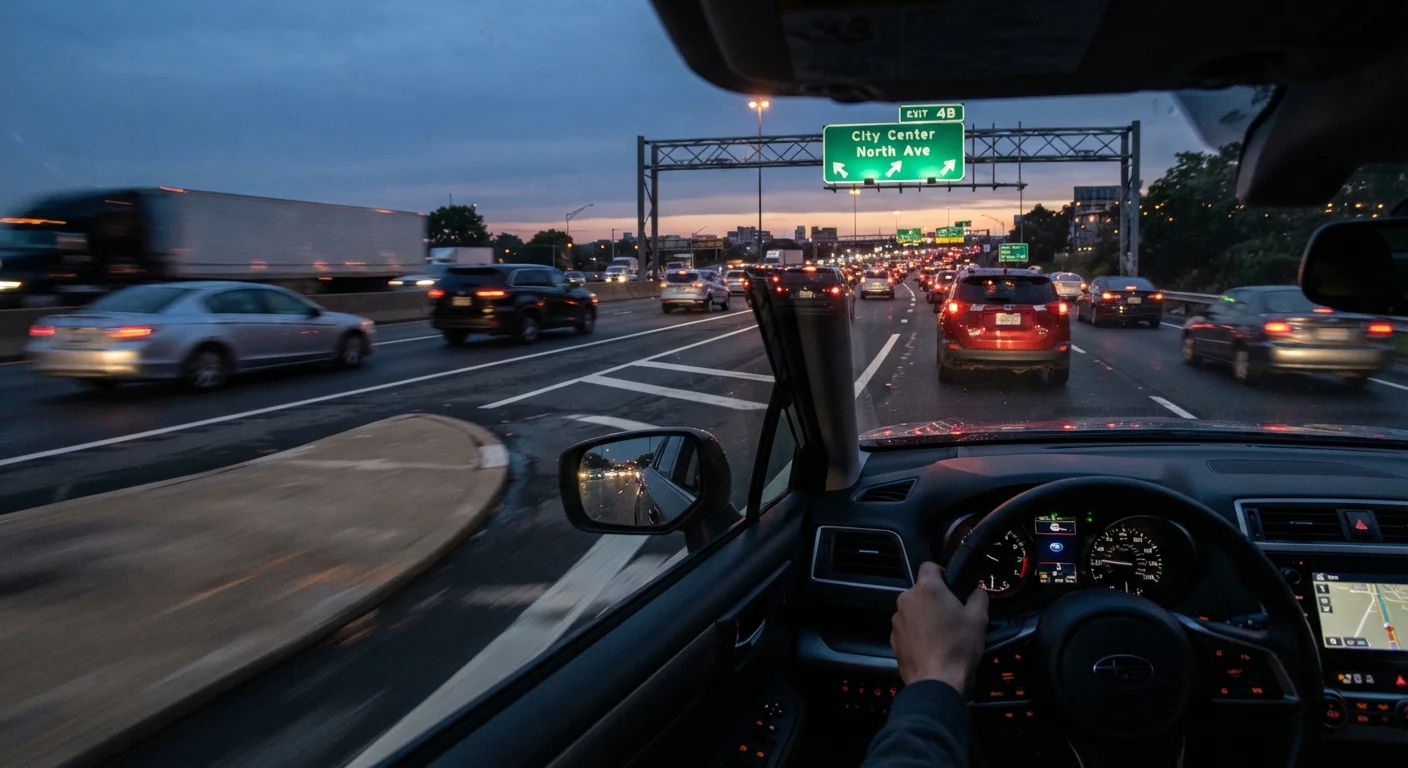
Photo credit: ResultsPoint.net | Find The Required Information
In this article
Merging onto a highway is one of the most misjudged maneuvers in everyday driving. Here's what makes it dangerous and how to do it properly.
Key Takeaways
- Failing to match highway speed before merging is the most dangerous mistake drivers make on ramps.
- Stopping at the end of a merge lane dramatically increases rear-end and sideswipe crash risk.
- Checking mirrors and blind spots before merging — not during — keeps your attention where it belongs.
- Highway drivers share responsibility: moving over or adjusting speed helps merging traffic integrate safely.
- Proper signaling and smooth acceleration are the foundation of a safe, predictable merge.
Why Highway Merging Goes Wrong More Often Than You'd Expect
Merging onto a highway looks simple from a distance. You're on a ramp, traffic is moving, you slide in. But the gap between a clean merge and a dangerous one is measured in seconds and small decisions. The National Highway Traffic Safety Administration consistently identifies lane-change and merge maneuvers as contributing factors in thousands of crashes each year — and most of them are preventable.
The core challenge is that merging requires you to do several things simultaneously: monitor oncoming highway traffic, judge relative speeds, signal your intent, accelerate to a matching pace, and find a safe gap — all while navigating a ramp that may curve, narrow, or end sooner than you'd like. When any one of those tasks is rushed or skipped, the margin for error collapses fast.
Understanding where your vehicle's blind spots fall is directly relevant here — merging is one of the situations where a missed check can put you squarely in the path of a vehicle you didn't see.
Merging at a speed well below highway traffic flow.
Why it happens: Drivers feel cautious on ramps and slow down rather than speeding up, misjudging that slower means safer when entering fast-moving traffic.
Stopping at the end of the merge lane because no immediate gap is visible.
Why it happens: Drivers freeze when they don't see an obvious opening, defaulting to a complete stop as if at an intersection — but merge lanes are not stop-controlled entry points.
Failing to check blind spots immediately before entering the travel lane.
Why it happens: Mirror checks feel sufficient, but mirrors alone don't cover the zones directly beside and slightly behind your vehicle — precisely where a highway vehicle may be positioned during your merge.
Signaling too late — or not at all — before merging.
Why it happens: Some drivers treat the signal as a formality or activate it only when they're already moving into the lane, which gives highway traffic no time to respond.
Fixating on a single vehicle rather than reading the overall traffic flow.
Why it happens: Drivers lock onto the nearest approaching car and react to it alone, missing the broader picture of whether the lane beyond that vehicle is clear or congested.
Building Better Merge Habits
The good news is that safe merging is a learnable skill, not a talent. It comes down to planning earlier and committing more decisively.
Use the full length of the acceleration lane. It exists specifically to give you room to reach highway speed before you enter traffic — don't treat it as a waiting area. Begin scanning traffic and looking for your gap as soon as you enter the ramp, not when you reach the end. By the time your ramp meets the highway, you should already have a target gap identified and your speed should be close to matching.
If no gap is available, adjusting your speed slightly — slowing briefly to fall behind a vehicle or accelerating to slide in front of one — is far safer than stopping. Stopping in a merge lane is a last resort, not a strategy.
The Zipper Merge Is Legal and Encouraged
In heavy traffic slowdowns where a lane ends ahead, transportation agencies including many state DOTs actively recommend the 'zipper merge' — where drivers use both lanes until the merge point, then alternate entry. Merging early out of politeness in these situations actually worsens congestion and can increase rear-end crash risk. When lanes are marked to reduce, use your lane fully and merge at the designated point.
Signaling early communicates your intent to highway drivers, giving them time to create space if they're willing. Some will move to an adjacent lane; others will adjust their speed. Either outcome helps you. Drivers who merge without signaling remove that cooperative dynamic entirely.
For a broader look at the habits that distinguish crash-averse drivers, experienced drivers rely on a handful of quiet practices that make complex situations like merging feel manageable. One of the most transferable is maintaining a space cushion — a concept explored in depth in our article on why following distance is never as safe as you think.
Merging is ultimately a cooperative act. Your job is to be predictable, decisive, and aware. Highway traffic does the rest.

Author
Autos Editorial Team
Autos Editorial Team is the collective byline for our editorial team and contributor network. Articles published under this byline or an editorial pen name are researched, written, and reviewed according to our editorial standards for clarity, consistency, and independence before publication.
View all articles →