
What a Budget Actually Is (And Why Most People Get It Wrong)
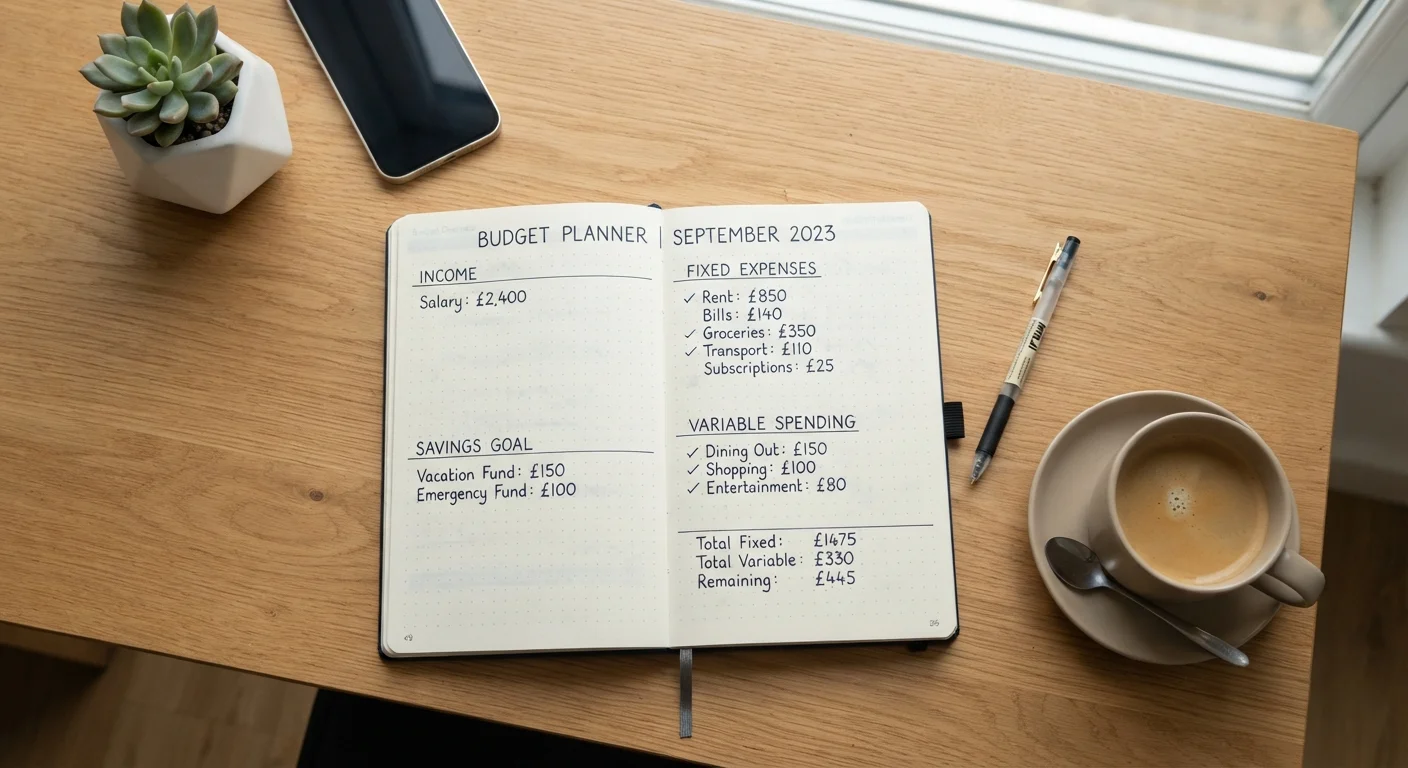
Photo credit: ResultsPoint.net | Find The Required Information
In this article
A budget isn't a restriction on your life — it's a plan for it. Learn what budgeting really means and why the common misconceptions hold people back.
Key Takeaways
- A budget is a spending plan, not a punishment or restriction on your lifestyle.
- Most budgets fail because people underestimate irregular expenses, not day-to-day spending.
- You don't need a perfect income or zero debt to start a budget today.
- Simple methods like the 50/30/20 rule can work without complicated spreadsheets.
- A budget is different from a full financial plan, which covers savings, insurance, and long-term goals.
The Real Definition — And the Misconception
Ask most people what a budget is and they'll describe something uncomfortable: a spreadsheet that tells you to stop enjoying life. That's the misconception, and it's the main reason so many people never start one.
A budget is simply a plan. You decide before the month begins how much of your income goes to housing, food, transportation, savings, and everything else. Once those decisions are made on paper (or a screen), you have a map — not a cage.
The confusion comes from how budgets are often framed: as a response to being broke, or a form of punishment for overspending. But a budget works equally well whether you're struggling or stable. It's not about how much you make. It's about being deliberate with what you have.
Budgets work at any income level
A common assumption is that budgeting is only necessary when money is tight. In reality, higher earners often benefit just as much — lifestyle inflation and untracked discretionary spending can erode even a generous income. A budget isn't a sign of financial struggle; it's a sign of financial awareness.
Why the Common Approach Falls Apart
Most failed budget attempts share a pattern: someone calculates rent, groceries, and gas — and stops there. The budget looks balanced on paper, then a car registration renewal or an unexpected medical copay blows the whole thing up.
Irregular expenses are the silent budget killer. They don't show up every month, so people forget to account for them. Annual fees, seasonal utility spikes, school supplies, holiday spending — none of these are surprises, yet they routinely derail otherwise reasonable plans.
If this sounds familiar, see spending categories most budgets overlook — a closer look at the line items people routinely leave out.
Build in a buffer for irregular expenses
Go through last year's bank statements and note every expense that wasn't monthly — annual subscriptions, car maintenance, medical bills, gifts. Add those up, divide by 12, and include that amount as a monthly budget line called 'irregular expenses' or 'sinking fund.' When those bills arrive, the money is already there.
Simple Methods That Actually Work
There's no single right way to budget, which is good news. Different approaches suit different lives.
- 50/30/20: Divide after-tax income into needs (50%), wants (30%), and savings or debt repayment (20%). It's rough, but it gives structure without obsessive tracking.
- Zero-based budgeting: Every dollar gets a job. Income minus all planned expenses equals zero — meaning nothing is left unassigned.
- Envelope method: Allocate cash into labeled envelopes for each spending category. When an envelope is empty, spending in that category stops for the month.
None of these require a finance degree or hours of work. Even a basic list of income and expected expenses written on paper counts as a budget if it guides your decisions.
~1 in 3
Americans without a household budget
Surveys by Gallup and similar polling organizations have consistently found that a significant minority of U.S. households operate without any formal budget or spending plan.
78%
Workers living paycheck to paycheck at some income levels
According to various workforce surveys, a large share of American workers report difficulty covering monthly expenses regardless of income level — a problem a budget is specifically designed to address.
A Budget Is Not a Financial Plan — But It's the Starting Point
It's worth being clear: a budget and a financial plan are not the same thing. A budget addresses one question — where does my money go this month? A financial plan covers a much wider scope: retirement savings, insurance coverage, investment strategy, and multi-year goals.
You can read more about that distinction in what a financial plan actually is. For now, know that a budget is the foundation everything else is built on.
If you've hesitated to start because of assumptions about what budgeting has to look like, it's worth examining those assumptions directly. Common budgeting myths stop a lot of people before they ever write down a single number.
And when you're ready to go deeper — into methods, habits, and long-term strategy — the complete guide to personal budgeting covers the full picture in plain language.
This article is for general informational purposes only and does not constitute personalized financial advice. Consider speaking with a qualified financial professional about decisions specific to your situation.
Frequently Asked Questions

Author
Finance Editorial Team
Finance Editorial Team is the collective byline for our editorial team and contributor network. Articles published under this byline or an editorial pen name are researched, written, and reviewed according to our editorial standards for clarity, consistency, and independence before publication.
View all articles →