
Plant-Based Protein Sources Worth Knowing About
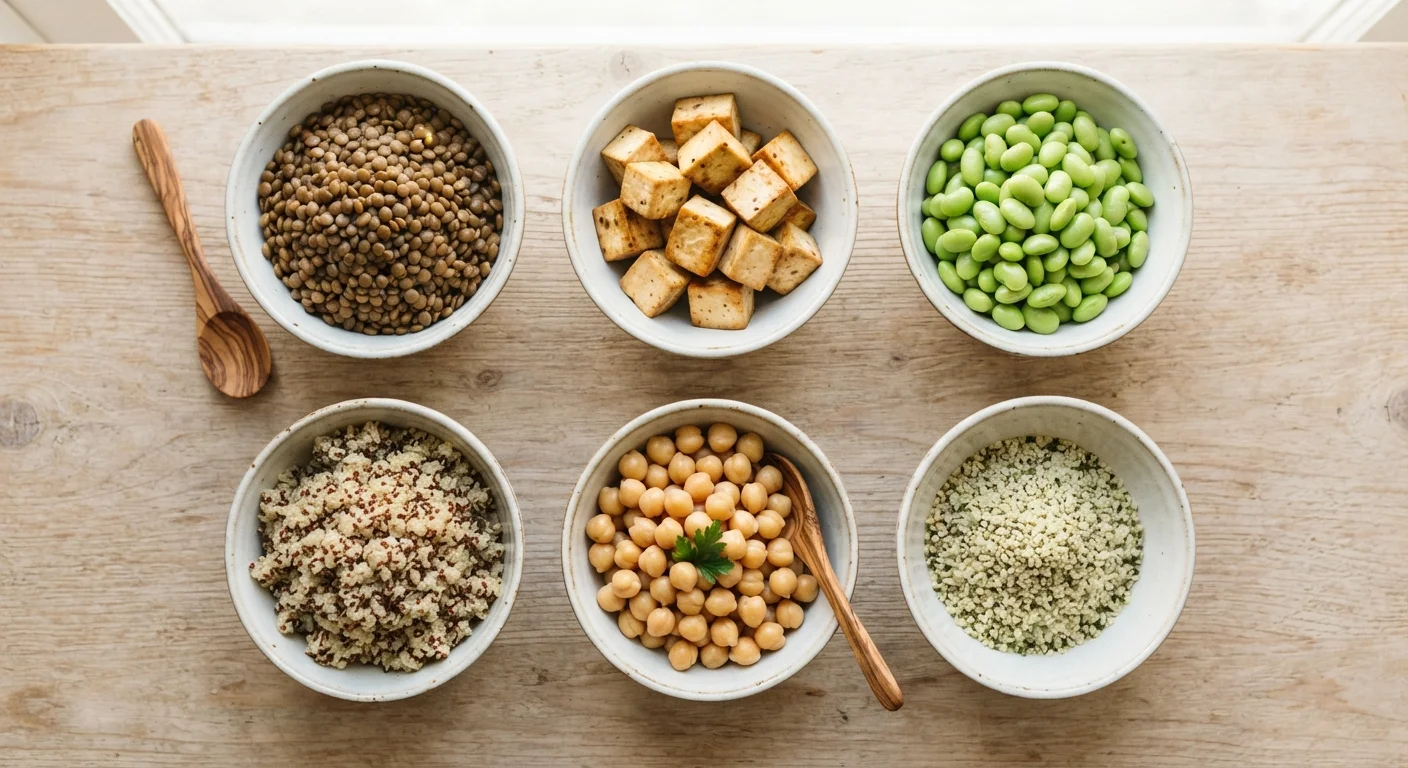
Photo credit: ResultsPoint.net | Find The Required Information
Legumes, tofu, seeds, and more — a practical look at the protein content, cooking uses, and nutritional context of common plant-based options.
Key Takeaways
- Many plant proteins are affordable, shelf-stable, and widely available at most grocery stores.
- Combining different plant proteins throughout the day helps ensure a full range of amino acids.
- Several plant-based sources also deliver fiber, iron, and other nutrients alongside protein.
- Preparation method significantly affects both taste and the digestibility of plant proteins.
- No single food covers all nutritional needs — variety across the whole diet matters most.
What Plant Proteins Actually Bring to the Table
Protein is essential for building and repairing tissue, supporting immune function, and producing enzymes and hormones — and you don't need to eat meat to meet your body's needs. Plant-based sources have gained attention in recent years, but the conversation often gets tangled up in fad-diet framing or oversimplified marketing claims. The reality is more practical: certain plant foods are genuinely solid protein sources that also happen to provide fiber, vitamins, and minerals that many Americans don't get enough of.
The six options below are worth understanding not because they're trendy, but because they're well-studied, widely available, and genuinely useful in everyday cooking. Protein content estimates below are approximate and can vary by brand, preparation, and serving size. This article is general nutrition information — not a dietary prescription. If you have specific health conditions or nutritional goals, a registered dietitian is the right person to consult.
Lentils
Lentils deliver roughly 18 grams of protein per cooked cup — making them one of the most protein-dense legumes available. They also provide substantial dietary fiber, folate, and iron, which makes them nutritionally efficient in a way few foods can match. Unlike most dried beans, lentils don't require soaking, and they cook in 20–30 minutes depending on the variety. Red lentils break down into a thick, creamy texture ideal for soups and dahls; green and brown varieties hold their shape better for salads and grain bowls. They're also among the most budget-friendly options in the protein category. See our guide to eating well on a tight budget for more on making protein-rich foods stretch further.
Lentils deliver around 18 grams of protein per cooked cup without needing a soak.
Tofu
Tofu is made from coagulated soy milk pressed into blocks, and its protein content ranges from about 8 to 17 grams per half-cup depending on firmness — firm and extra-firm varieties pack in more. Soy is one of the few plant proteins considered nutritionally complete, meaning it contains all nine essential amino acids in meaningful amounts. Tofu absorbs surrounding flavors readily, which makes it versatile: marinate and bake it for a chewy texture, crumble it into scrambles, or blend silken varieties into sauces and desserts. Pressing out excess moisture before cooking dramatically improves the final result. People with thyroid conditions or those on certain medications are sometimes advised to discuss soy intake with their doctor — this is a good example of when individual guidance matters.
Soy is one of the few plant proteins that contains all nine essential amino acids.
Chickpeas
Also called garbanzo beans, chickpeas provide about 15 grams of protein per cooked cup and come in canned or dried forms that are easy to keep on hand. Their mild, nutty flavor and sturdy texture make them adaptable — roasted for a crunchy snack, blended into hummus, simmered in curries, or tossed into pasta. Chickpeas are also high in fiber, which supports digestive health and helps with satiety. The liquid from canned chickpeas — called aquafaba — is a surprisingly useful egg-white substitute in baking. If you buy canned chickpeas, rinsing them before use reduces the sodium content noticeably. Like other legumes, chickpeas contribute meaningfully to the fiber most Americans fall short on.
Chickpeas are adaptable, affordable, and deliver both protein and fiber in one package.
Hemp Seeds
Hemp seeds (also sold as hemp hearts when hulled) contain about 10 grams of protein per three-tablespoon serving — a notable amount for such a small portion. They provide a favorable ratio of omega-3 to omega-6 fatty acids, along with magnesium and zinc. Their flavor is mild and slightly nutty, making them easy to add to foods without altering taste significantly: sprinkle them on yogurt, stir into oatmeal, blend into smoothies, or mix into salad dressings. Hemp seeds don't require cooking, which lowers the barrier to incorporating them consistently. They're not as cheap as legumes, but a little goes a long way given how protein-dense they are by weight. Store them in the refrigerator after opening to preserve freshness.
Three tablespoons of hemp seeds deliver around 10 grams of protein with minimal prep required.
Edamame
Edamame — young, green soybeans harvested before they fully mature — offers about 17 grams of protein per cooked cup. Like mature soy products, edamame is a complete protein. It's also a source of vitamin K, folate, and manganese. Available frozen in most grocery stores year-round, edamame is one of the more convenient whole-food protein options: steam or microwave it directly from frozen, season lightly with salt, and it's ready in minutes. Beyond eating it on its own, shelled edamame works well in grain bowls, stir-fries, and pasta dishes. It has a naturally sweet flavor that tends to appeal to people who find other legumes too heavy or earthy. For a fuller picture of the vitamins and minerals found in foods like edamame, our no-jargon reference guide is a useful starting point.
Frozen edamame is a complete protein that goes from freezer to table in under five minutes.
Quinoa
Quinoa is technically a seed, but it's commonly used as a grain and provides about 8 grams of protein per cooked cup — higher than most other grains, and again nutritionally complete. It cooks in about 15 minutes, has a light, slightly earthy flavor, and works well as a base for salads, a side dish, or a breakfast porridge. Quinoa is also naturally gluten-free, which makes it useful for people avoiding gluten for medical reasons. Rinsing quinoa before cooking removes a naturally occurring coating called saponin, which can give it a bitter edge. From a nutrition standpoint, quinoa also contributes magnesium and manganese — two minerals worth understanding more about through a resource like our vitamins and minerals guide.
Quinoa is one of the few grains that qualifies as a nutritionally complete protein source.
Putting It All Together
No single food — plant-based or otherwise — covers every nutritional need on its own. The goal isn't to find a perfect protein source; it's to build a varied diet where different foods complement each other. Mixing legumes, seeds, and whole grains across meals is a straightforward way to get a broad amino acid profile without obsessing over individual foods.
Boost Absorption With Simple Pairings
Iron from plant foods (non-heme iron) is absorbed less efficiently than iron from animal sources. Consuming a vitamin C-rich food — such as bell pepper, tomato, or citrus — alongside iron-containing plant proteins like lentils and chickpeas can help the body absorb more of it. This is a small, practical habit that adds up over time without requiring any major dietary overhaul.
If you're exploring plant-based eating more broadly, it's worth keeping an eye on nutrients that can be harder to get without animal products — particularly vitamin B12, vitamin D, and calcium. Our no-jargon guide to vitamins and minerals covers what each does and where to find it. And if you're paying attention to labels on packaged plant-based products — protein bars, meat alternatives — understanding how to read an ingredient list can help you sort signal from noise.
A Note on Protein Completeness
Animal proteins contain all nine essential amino acids in proportions the body uses efficiently — a characteristic described as being 'complete.' Most plant proteins are lower in one or more essential amino acids, though soy and a few others are exceptions. This doesn't mean plant proteins are inadequate; eating a varied diet over the course of a day generally provides the full range of amino acids the body needs. If you have specific protein requirements due to a health condition, a registered dietitian can offer personalized guidance.
This article is for general informational purposes only and is not a substitute for professional medical or dietary advice. Consult a qualified healthcare provider or registered dietitian before making significant changes to your diet.

Author
Health Editorial Team
Health Editorial Team is the collective byline for our editorial team and contributor network. Articles published under this byline or an editorial pen name are researched, written, and reviewed according to our editorial standards for clarity, consistency, and independence before publication.
View all articles →