
Fitness Progress Tracking: Methods Beyond the Scale
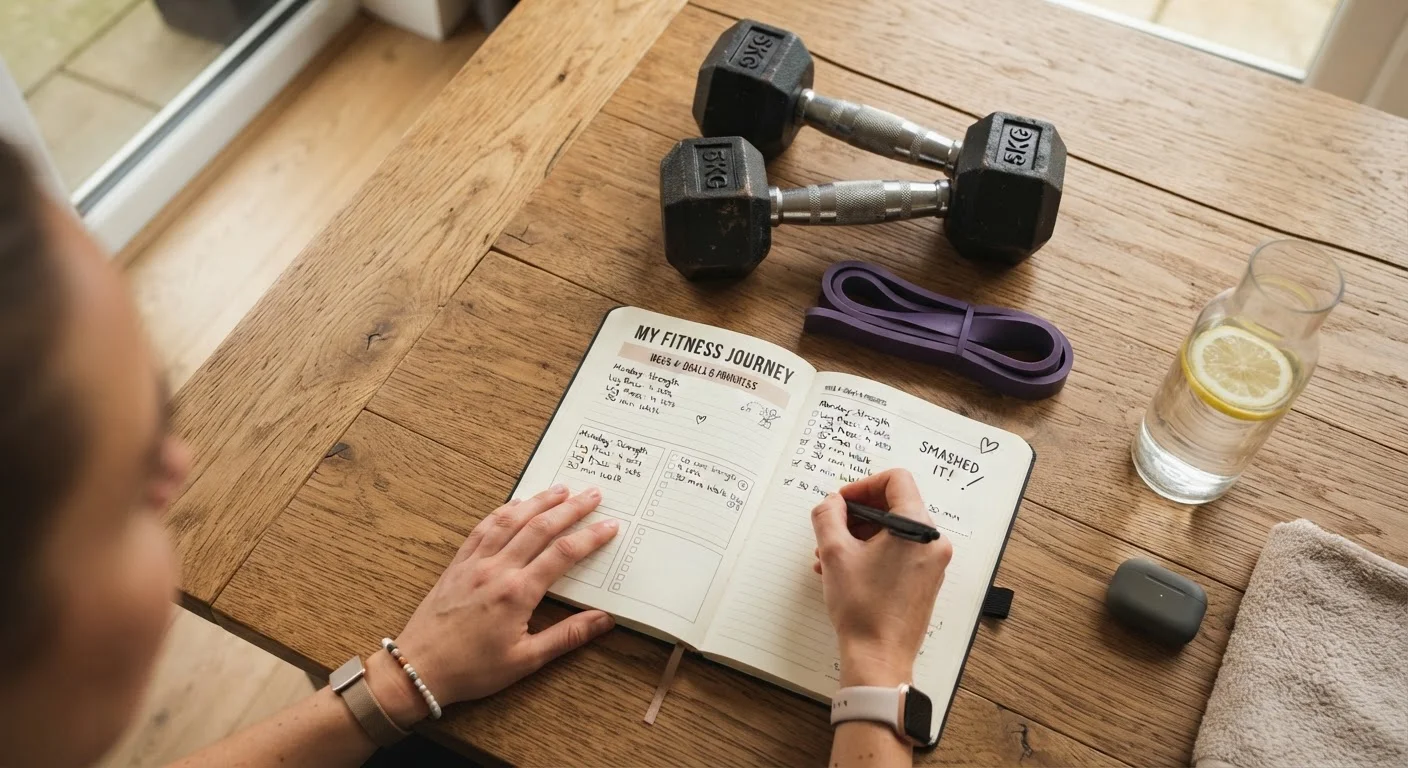
Photo credit: ResultsPoint.net | Find The Required Information
Body weight is one data point among many. Explore the other markers — endurance, strength, mobility, energy — that show fitness is improving.
Key Takeaways
- Body weight fluctuates daily and often fails to reflect meaningful fitness improvements.
- Tracking endurance, strength, mobility, and energy gives a fuller, more motivating picture of progress.
- Multiple simple methods — from timed runs to flexibility tests — require no special equipment.
- Subjective markers like mood and sleep quality are legitimate, research-supported indicators of fitness gains.
- Combining two or three tracking methods provides a more accurate and encouraging measure of progress.
Why the Scale Tells an Incomplete Story
Step on the scale in the morning, step on it again after dinner — you might see a two-pound difference without having changed a thing about your health. Body weight shifts constantly in response to hydration, digestion, hormones, and sodium intake. Using it as your only fitness metric is a bit like judging a book by one sentence on page 47.
That's not to say weight is meaningless. But for most people, it's far too noisy and emotionally loaded a number to serve as a reliable daily guide. Research consistently shows that fitness improvements — better cardiovascular endurance, increased muscle mass, reduced inflammation — often happen well before the scale budges. Leaning on weight alone can cause people to abandon routines that are genuinely working. If you've encountered this frustration, you're in good company, and you're also not out of options. As we examine in our piece on common fitness myths, many beliefs that discourage people from exercise simply don't hold up to scrutiny.
Below are seven practical, evidence-grounded ways to track fitness progress that actually reflect what's happening inside your body.
Cardiovascular endurance tests
One of the clearest signs of improving fitness is how your heart and lungs handle sustained effort. A simple benchmark: time how long it takes you to walk or jog a set distance — say, one mile — and repeat the test every four weeks. Most people notice meaningful improvements within six to eight weeks of consistent aerobic activity. Your resting heart rate, which you can measure first thing in the morning before getting out of bed, is another reliable indicator. As cardiovascular fitness improves, resting heart rate typically decreases.
A lower resting heart rate is one of the most reliable signs your cardiovascular fitness is improving.
Strength benchmarks
How many push-ups can you do with good form before stopping? How many bodyweight squats? Recording these numbers every few weeks costs nothing and reveals a great deal. Strength gains often appear before any visible body composition changes, giving you early, concrete evidence that your training is working. You don't need a gym or equipment — a consistent bodyweight test is enough to show a clear progression line over months.
Strength gains typically appear weeks before any visible body composition changes — track them early.
Flexibility and mobility checks
Improved range of motion is a meaningful fitness marker that most people overlook entirely. A simple sit-and-reach test (sitting with legs extended, reaching toward your toes) can be measured at home with a ruler. Similarly, noting whether everyday movements — bending to tie a shoe, reaching overhead — feel easier over time is valid and useful data. Mobility improvements reduce injury risk and often translate directly into better workout performance.
Everyday movements getting easier — like tying shoes or reaching overhead — signal real mobility gains.
Perceived exertion at a fixed effort
This is subtler but surprisingly reliable. Think of an activity that used to feel hard — a particular hill, a flight of stairs, a certain workout. Does it feel easier now? Exercise scientists use tools like the Rate of Perceived Exertion (RPE) scale to quantify this subjectively. You can do the same informally: if the same workout feels less taxing than it did six weeks ago, your fitness has genuinely improved — even if nothing else has changed on paper.
If the same workout feels easier than it did six weeks ago, your fitness has genuinely improved.
Energy levels and daily function
Regular physical activity is strongly associated with improved energy, better concentration, and reduced afternoon fatigue — effects that are well-documented in exercise science literature. Keeping a simple weekly log (rate your average daily energy on a 1–10 scale) makes an abstract feeling concrete and trackable. Many people report noticing this shift before they see any changes in appearance or performance metrics, making it a particularly encouraging early signal. Consistency over intensity is often what drives this kind of sustainable improvement.
Tracking your average daily energy weekly turns an abstract feeling into concrete, encouraging evidence.
Sleep quality
Sleep and exercise have a bidirectional relationship: regular moderate exercise tends to improve sleep quality, and better sleep supports recovery and performance. Noting how often you wake during the night, how rested you feel in the morning, or whether you fall asleep more easily than you used to can serve as a meaningful proxy for fitness improvements. You don't need a wearable device — a simple written note each morning is sufficient to identify trends over weeks.
Falling asleep faster and waking less often are underrated but meaningful signs that fitness is improving.
Clothing fit and posture
Changes in how clothing fits — particularly around the waist, shoulders, or legs — often reflect shifts in body composition that the scale misses. Muscle and fat have different densities, so someone gaining muscle while losing fat may see no weight change yet fit into clothes differently. Similarly, improved posture (standing taller, less lower-back tension) reflects core and postural muscle development. These are tactile, real-world signals that require no equipment and no math.
Clothing fitting differently can reveal body composition changes that the scale completely misses.
Putting It All Together
No single metric tells the whole story — but you also don't need to track all seven. Choose two or three that feel natural and relevant to your goals, check in consistently (weekly or biweekly works well for most), and record them somewhere simple: a notebook, a phone note, a spreadsheet. The point is pattern recognition over time, not daily obsession.
Keep Your Tracking Simple and Sustainable
Tracking fitness progress doesn't need to be elaborate. A basic notebook or notes app works just as well as any dedicated app. The most important factor is consistency — checking the same markers under similar conditions every two to four weeks. Overcomplicating the system often leads to abandoning it entirely.
As you dial in your tracking, it's worth pairing this awareness with the right effort level in your sessions. Our guide on workout intensity signals can help you calibrate. And if you're ready to build on what you're learning, building a weekly exercise routine from scratch offers a practical next step.
This article is for general informational and educational purposes only and is not a substitute for professional medical or fitness advice. Consult a qualified healthcare provider before starting or significantly changing any exercise program.

Author
Health Editorial Team
Health Editorial Team is the collective byline for our editorial team and contributor network. Articles published under this byline or an editorial pen name are researched, written, and reviewed according to our editorial standards for clarity, consistency, and independence before publication.
View all articles →