
Meditation Apps vs. Guided Audio: Which Format Suits Different Learning Styles
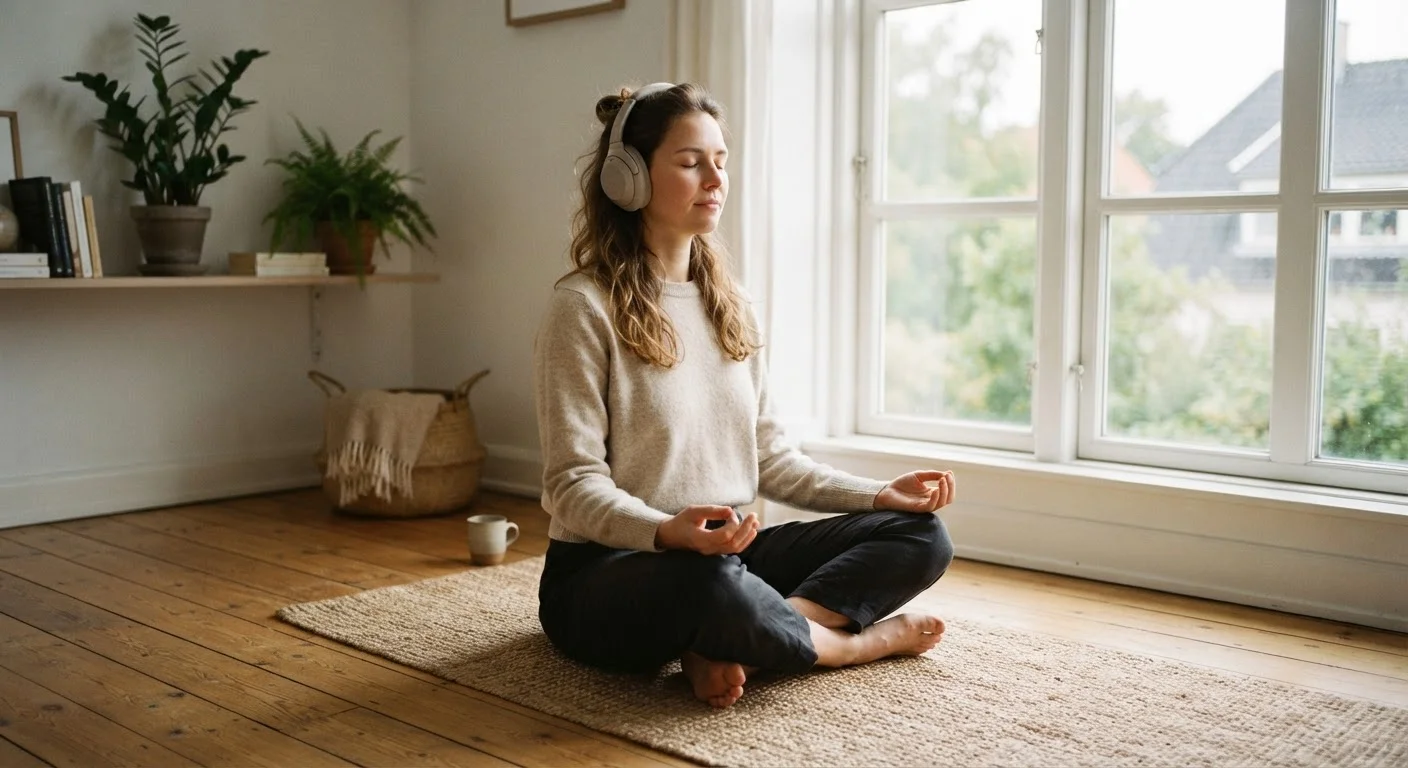
Photo credit: ResultsPoint.net | Find The Required Information
In this article
Both apps and standalone guided audio can support mindfulness practice, but they work differently. A look at the trade-offs to help you choose what fits your style.
Key Takeaways
- Meditation apps offer structure, reminders, and progress tracking that help build consistent habits.
- Standalone guided audio suits listeners who prefer a distraction-free, single-purpose experience.
- Your learning style — visual, structured, or self-directed — largely determines which format clicks.
- Neither format replaces professional mental health support when deeper help is needed.
- Combining both formats is a valid approach and common among experienced practitioners.
Built-in structure helps beginners build consistent habits
Guided programs with clear starting points and daily reminders reduce the friction of deciding what to do each session, which research on habit formation suggests is a key factor in long-term adherence.
Wide content variety in a single place
Most apps include sleep meditations, breathwork, body scans, and anxiety-focused sessions, allowing users to adapt their practice to changing needs without sourcing separate recordings.
Progress tracking adds motivation for goal-oriented users
Streak counters and session logs give visual learners a sense of momentum that can sustain engagement during the early weeks when the habit isn't yet automatic.
Accessible onboarding lowers the entry barrier
Step-by-step introductory courses walk complete beginners through foundational techniques without requiring prior knowledge of meditation traditions or terminology.
Smartphone environment creates constant distraction risk
Meditating on the same device that delivers email and social notifications can undermine the focused attention that meditation is meant to cultivate, even with do-not-disturb settings enabled.
Subscription costs add up over time
Premium app tiers often lock the most useful content behind recurring fees, making long-term access more expensive than a one-time audio purchase or library resource.
Feature overload can dilute focus
Large content libraries with dozens of series and teacher options can lead to choice paralysis, especially for users who benefit from a simple, repeatable routine.
Data and privacy considerations vary by platform
Apps that require accounts may collect usage data; users with privacy concerns should review data policies before committing to a platform that tracks their wellness habits.
Why Format Matters More Than You'd Expect
Choosing how you meditate might seem like a minor detail, but format shapes whether a practice actually sticks. Someone who thrives on routine and visual feedback will respond differently to a gamified app dashboard than someone who just wants to press play and decompress. Neither preference is wrong — they reflect genuinely different ways people absorb new habits.
Meditation apps and standalone guided audio both deliver instruction from experienced teachers, but they package that instruction in ways that serve different cognitive and behavioral needs. Understanding those differences helps you invest time in something that matches how you actually learn, not just what looks appealing in a screenshot.
If you're also weighing whether a structured tool can substitute for professional support, it's worth reading our breakdown of self-help versus therapy to calibrate expectations before diving in.
The Case for Meditation Apps
Apps offer an ecosystem around the practice itself — onboarding flows, themed programs, sleep tools, and progress streaks that make meditation feel tangible. For beginners, that scaffolding can be invaluable.
Built-in structure helps beginners build consistent habits
Guided programs with clear starting points and daily reminders reduce the friction of deciding what to do each session, which research on habit formation suggests is a key factor in long-term adherence.
Wide content variety in a single place
Most apps include sleep meditations, breathwork, body scans, and anxiety-focused sessions, allowing users to adapt their practice to changing needs without sourcing separate recordings.
Progress tracking adds motivation for goal-oriented users
Streak counters and session logs give visual learners a sense of momentum that can sustain engagement during the early weeks when the habit isn't yet automatic.
Accessible onboarding lowers the entry barrier
Step-by-step introductory courses walk complete beginners through foundational techniques without requiring prior knowledge of meditation traditions or terminology.
~35%
U.S. adults who have tried meditation
According to the National Health Interview Survey, roughly one in three American adults reported having practiced meditation, reflecting significant mainstream adoption.
8 weeks
Typical program length in mindfulness research
Widely cited studies on Mindfulness-Based Stress Reduction (MBSR) use an eight-week structured format, which many app programs mirror in their beginner courses.
The flip side is that the same features adding structure can also become sources of friction. Notifications compete with every other app on your phone, and the temptation to switch between sessions or explore new content can interrupt the consistency that makes meditation effective. For some users, an app's breadth becomes a distraction in itself.
The Case for Standalone Guided Audio
Guided audio — whether downloaded files, CDs, or streaming tracks without an app wrapper — strips the experience down to voice and music. There are no badges, no dashboards, and no upsell prompts. For people who find apps overstimulating or who practice in environments without reliable internet, this simplicity is a meaningful advantage.
Smartphone environment creates constant distraction risk
Meditating on the same device that delivers email and social notifications can undermine the focused attention that meditation is meant to cultivate, even with do-not-disturb settings enabled.
Subscription costs add up over time
Premium app tiers often lock the most useful content behind recurring fees, making long-term access more expensive than a one-time audio purchase or library resource.
Feature overload can dilute focus
Large content libraries with dozens of series and teacher options can lead to choice paralysis, especially for users who benefit from a simple, repeatable routine.
Data and privacy considerations vary by platform
Apps that require accounts may collect usage data; users with privacy concerns should review data policies before committing to a platform that tracks their wellness habits.
Long-form guided recordings also suit auditory learners who absorb instruction better through listening than reading or tapping through menus. Many practitioners develop a strong connection to a single teacher's voice and pacing, which can deepen concentration over time. The downside is that without built-in reminders or a structured curriculum, motivation depends more on self-discipline.
Audio Doesn't Have to Mean Passive
Some guided audio recordings include pause prompts that invite the listener to sit quietly before the next instruction — a structure that can actually promote deeper engagement than continuous narration. If you're new to audio-only formats, look for recordings that blend guided instruction with periods of unguided silence rather than filling every moment with voice.
Matching Format to Learning Style
Psychologists who study habit formation generally agree that the easier a behavior is to initiate, the more likely it is to persist. That principle maps directly onto format choice:
- Structured learners who respond to goals, courses, and measurable milestones tend to get more from apps with program-based content.
- Auditory or reflective learners who prefer immersive, uninterrupted experiences often find guided audio more conducive to depth.
- Busy or distracted users may benefit from app reminders initially, then graduate to audio-only once the habit is established.
- Privacy-conscious users may prefer downloadable audio that doesn't require an account or data sharing.
There's no obligation to pick one permanently. Many practitioners use an app during commutes and dedicated audio recordings for longer evening sessions — treating format as a tool, not an identity.
This article is for general informational purposes only and is not a substitute for professional mental health advice. If you are experiencing significant anxiety, depression, or other mental health concerns, please consult a qualified healthcare professional.

Author
Health Editorial Team
Health Editorial Team is the collective byline for our editorial team and contributor network. Articles published under this byline or an editorial pen name are researched, written, and reviewed according to our editorial standards for clarity, consistency, and independence before publication.
View all articles →