
The Science Behind Why Sleep Deprivation Wrecks Your Mood
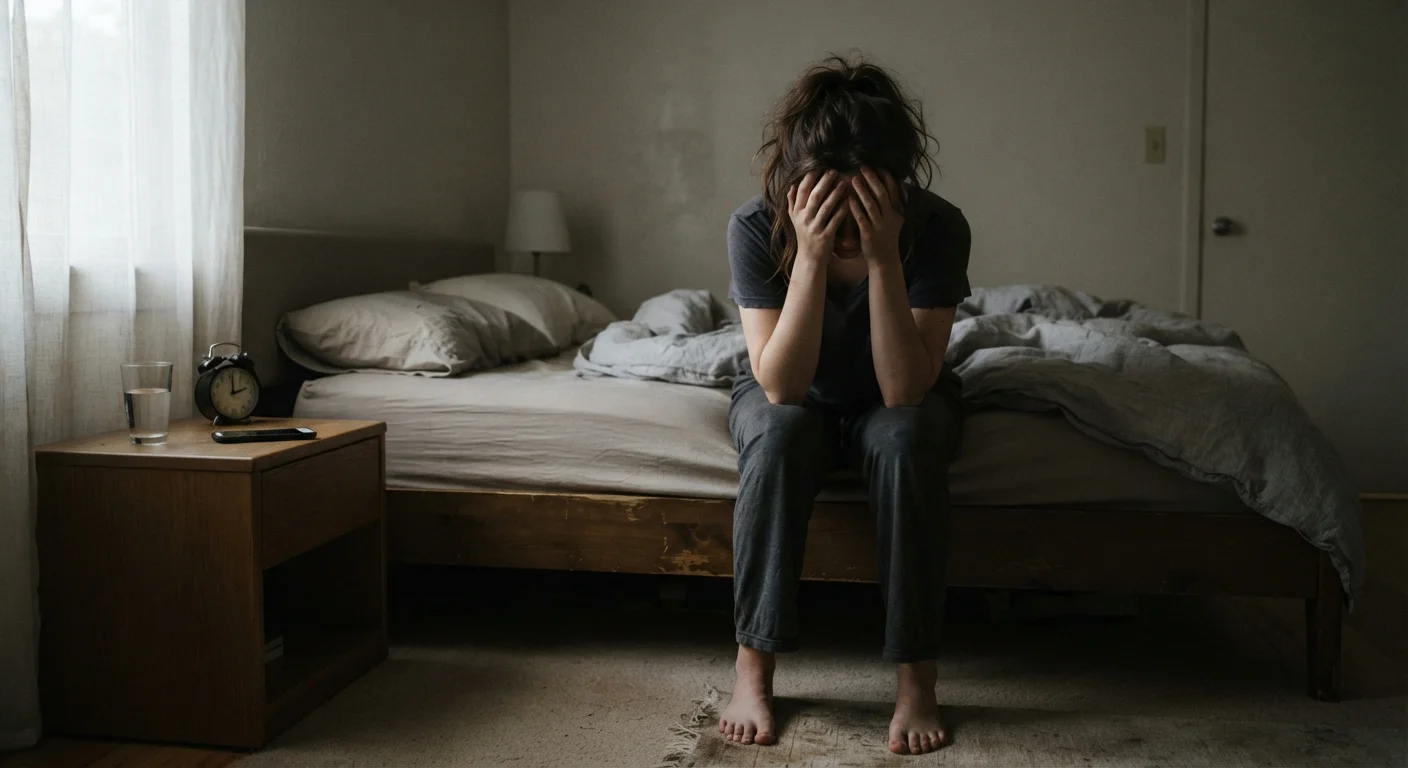
Photo credit: ResultsPoint.net | Find The Required Information
In this article
Poor sleep doesn't just make you tired — it disrupts emotional regulation and stress response. Here's what the research generally shows.
Key Takeaways
- Sleep loss amplifies emotional reactivity by disrupting brain circuits that regulate mood.
- The amygdala becomes significantly more active under sleep deprivation, heightening stress responses.
- Even partial sleep restriction — not just full sleeplessness — measurably affects emotional regulation.
- Chronic poor sleep is linked to higher risk of anxiety and depressive symptoms over time.
- Improving sleep quality is one of the most evidence-supported ways to support everyday mental wellness.
What Happens in Your Brain When You Don't Sleep Enough
Sleep isn't passive downtime — your brain is actively working to consolidate memories, clear metabolic waste, and, critically, recalibrate emotional circuits. When that process is cut short, the consequences show up in your mood faster than most people expect.
The key player here is the amygdala, a small almond-shaped structure deep in the brain that acts as an alarm system for perceived threats and emotional significance. Studies using functional MRI have consistently shown that sleep-deprived brains display significantly greater amygdala activation in response to negative stimuli — things that might barely register after a good night's sleep can feel genuinely upsetting when you're running on too little rest.
At the same time, the prefrontal cortex — the region responsible for rational appraisal, impulse control, and putting feelings into context — loses some of its ability to regulate those amygdala signals. The functional connection between these two regions weakens under sleep pressure, leaving you more reactive and less able to talk yourself down from emotional peaks.
Not Just About Total Hours
Sleep quality matters alongside quantity. Fragmented sleep — waking frequently throughout the night — can leave emotional regulation circuits under-recovered even when total time in bed looks adequate. If you regularly wake feeling unrefreshed, that's worth discussing with a healthcare provider.
The Stress Hormone Connection
Sleep and the body's stress response are deeply intertwined. Poor sleep raises levels of cortisol, the primary stress hormone, which in turn makes it harder to fall asleep — creating a cycle that can be difficult to break without deliberate effort.
Elevated cortisol doesn't just make you feel wired at bedtime. During waking hours, persistently higher cortisol keeps your nervous system in a low-grade state of alert, amplifying irritability, reducing tolerance for frustration, and making social interactions feel more demanding than they actually are. This is part of why social connection can feel harder when you're sleep-deprived — your threat-detection system is working overtime.
60%+
Increase in amygdala reactivity after sleep loss
Neuroimaging research published in journals including Nature has documented substantially heightened amygdala responses to emotional stimuli in sleep-deprived participants compared to rested controls.
1 in 3
U.S. adults not getting enough sleep
CDC surveillance data has consistently found that roughly one-third of American adults report sleeping fewer than the recommended seven hours per night.
48%
Higher anxiety risk linked to chronic short sleep
Meta-analyses examining sleep and mental health outcomes have found meaningfully elevated risk of anxiety symptoms among individuals with persistent sleep insufficiency, though individual results vary widely.
Crucially, this isn't just a problem for people who pull all-nighters. Research shows that partial sleep restriction — getting six hours instead of the recommended seven to nine — produces measurable changes in emotional reactivity over time, often without people fully recognizing the shift in themselves.
Why This Matters for Everyday Mental Wellness
Understanding the biology behind sleep and mood isn't about catastrophizing a bad night's rest. It's about recognizing that emotional regulation is not purely a matter of willpower or mindset — it is, in part, a biological process that depends on adequate sleep to function well.
This perspective can be genuinely relieving. If you've noticed that you're quicker to snap at people, more prone to rumination, or less able to shake off small setbacks, poor sleep may be a significant contributing factor — not a character flaw.
Recognize the Pattern, Not Just the Feeling
If you notice you're more emotionally reactive on days after poor sleep, that awareness itself is useful. Rather than judging the mood, try noting the likely cause — it can reduce self-criticism and prompt practical action, like prioritizing rest the following night. Small, consistent improvements to sleep habits tend to produce noticeable emotional benefits over time.
Over the longer term, chronic sleep insufficiency is associated with higher risk of anxiety and depressive symptoms. While sleep problems alone don't cause mental health conditions, research broadly supports the idea that improving sleep quality is one of the most accessible and evidence-grounded levers available for supporting overall mental wellness.
If you're working on building habits that support better rest, our article on creating a realistic wind-down routine offers practical, research-informed strategies you can start applying tonight.
This article is for general informational purposes only and is not a substitute for professional medical or mental health advice. If you're experiencing persistent mood changes or sleep difficulties, please consult a qualified healthcare professional.
Frequently Asked Questions

Author
Health Editorial Team
Health Editorial Team is the collective byline for our editorial team and contributor network. Articles published under this byline or an editorial pen name are researched, written, and reviewed according to our editorial standards for clarity, consistency, and independence before publication.
View all articles →