
Tile vs. Luxury Vinyl Plank: Choosing a Floor for Wet Areas
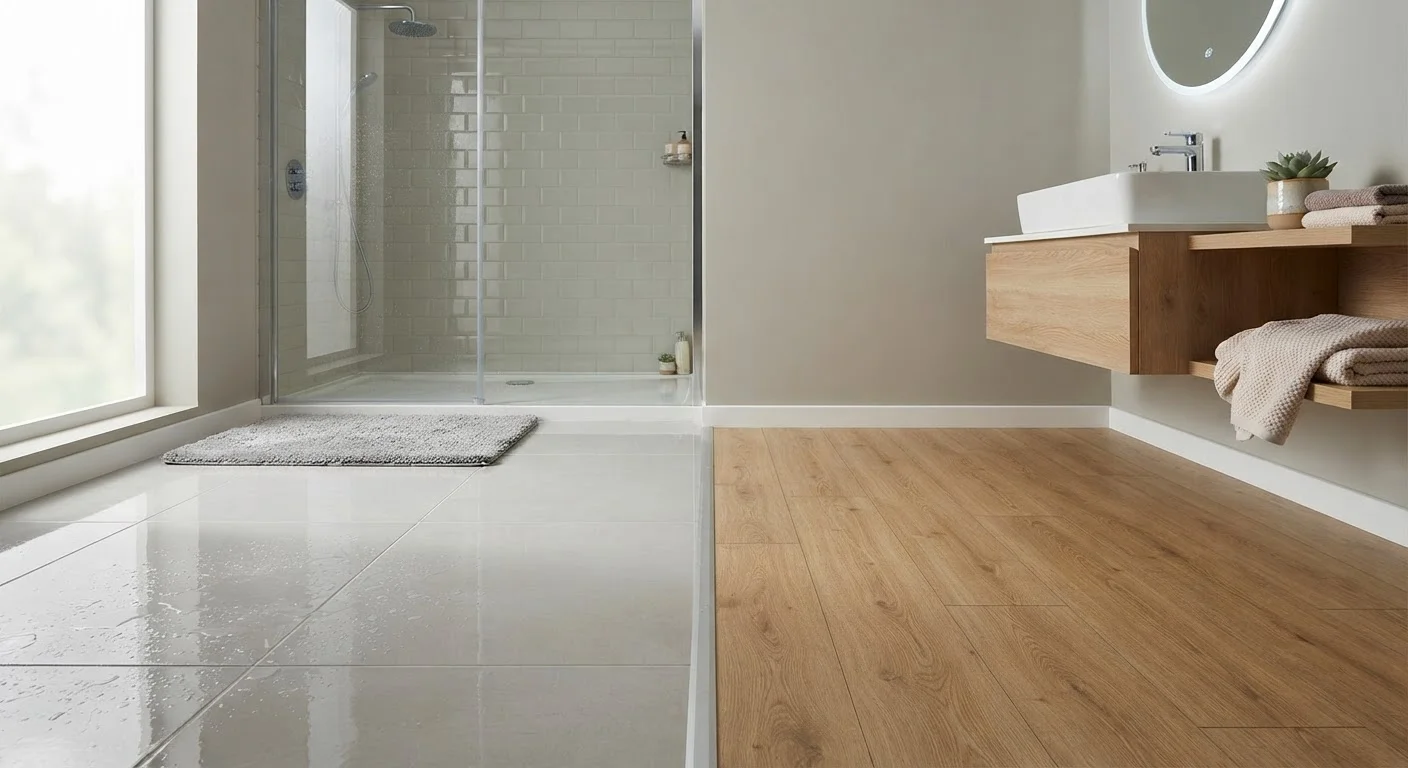
Photo credit: ResultsPoint.net | Find The Required Information
In this article
Both options handle moisture, but they differ in installation effort, feel underfoot, repair ease, and how they hold up over time.
Key Takeaways
- Both tile and LVP resist moisture, but tile is fully waterproof while LVP can be vulnerable at seams if water sits too long.
- Tile typically lasts 50+ years; quality LVP can last 15–25 years with proper care.
- LVP is warmer and softer underfoot than tile and requires no grout maintenance.
- Tile installation demands more skill, tools, and curing time; LVP can often be a weekend DIY project.
- A cracked tile is harder to replace invisibly than a damaged LVP plank.
- Local building codes may influence which option suits basements or below-grade installations.
How Each Material Handles Moisture
Porcelain tile — the denser cousin of standard ceramic — absorbs less than 0.5% of water, making it essentially impervious on its face. Ceramic tile is slightly more porous but still highly moisture-resistant when properly sealed. The vulnerability in any tile floor lies at the grout joints. Unsealed or cracked grout can allow water to seep toward the subfloor. Annual sealing and prompt crack repairs keep this risk in check.
Quality LVP carries a waterproof core — usually rigid WPC (wood-plastic composite) or SPC (stone-plastic composite). Water on the surface won't damage the plank itself. However, if water consistently pools at the seams or edges, it can migrate underneath the floor and reach the subfloor or cause mold. For areas with active water exposure, like a walk-in shower floor, tile remains the more dependable choice. For bathroom floors, laundry rooms, and kitchens, LVP performs reliably when installed with care.
| Criterion | Ceramic / Porcelain Tile | Luxury Vinyl Plank (LVP) |
|---|---|---|
| Waterproofness | Surface waterproof; grout joints need sealing | Waterproof core; seams need careful installation |
| Typical lifespan | 50+ years | 15–25 years |
| DIY difficulty | Moderate to high — requires thinset, grout, wet saw | Low to moderate — click-lock, utility knife cuts |
| Installation time | Several days including cure time | Often one day |
| Feel underfoot | Hard and cold | Warmer, slight cushion |
| Maintenance | Annual grout sealing required | Low — damp mop, no sealing |
| Repair ease | Tricky — matching tile can be difficult | Easier — planks snap apart and swap out |
| Best wet-area use | Showers, wet rooms, heavy-use bathrooms | Bathrooms, kitchens, laundry rooms |
Installation: What Each Project Actually Involves
Tile installation is a multi-step process requiring a flat, solid subfloor — often a cement board underlayment in wet areas — thinset mortar, spacers, grout, and sealer. Each stage has a curing window, meaning the project typically spans several days before the floor is usable. Cuts require a wet saw. While skilled DIYers can tile successfully, mistakes in layout or leveling are difficult to reverse.
LVP installation is more forgiving. Most click-lock planks float directly over concrete or plywood, and many can go over existing vinyl or tile as long as the surface is flat. A utility knife and pull bar handle most cuts. A bathroom can typically be completed in a single day. One important note: LVP needs a flat subfloor — any bumps or dips greater than 3/16 of an inch over 10 feet should be corrected beforehand, or you'll hear clicking underfoot and risk plank separation.
Check Your Subfloor Before You Buy Anything
Both tile and LVP demand a flat, structurally sound subfloor — but for different reasons. Tile needs rigidity to prevent cracking under load; LVP needs flatness to prevent plank separation and noise. Before purchasing materials, use a long straightedge to check for high and low spots. Correcting subfloor issues before installation is almost always easier and less costly than addressing them after the floor is down.
Durability, Maintenance, and Repair Over Time
Tile, once set, is extraordinarily durable. It won't scratch, dent, or fade, and the surface can handle decades of traffic. The maintenance obligation is grout: it needs annual sealing and occasional re-grouting in high-use areas. A single cracked tile can be replaced, but matching an existing tile years later can be difficult if the product has been discontinued — keep spare tiles from the original install.
LVP resists scratches better than hardwood but can be gouged by sharp objects or damaged by heavy furniture without pads. It won't fade in indirect light, though extended direct sunlight can cause some discoloration over time. The practical advantage: a damaged plank can often be swapped out by snapping the neighboring rows apart on a floating floor. Repairs tend to be less visible than patched tile because the plank format is uniform.
50+ years
Typical lifespan of installed porcelain tile
Industry guidance from flooring associations consistently cites properly installed porcelain tile as one of the longest-lasting flooring materials available.
15–25 years
Expected lifespan of quality LVP flooring
Manufacturer warranties and flooring industry estimates place quality LVP in this range, depending on wear-layer thickness and traffic levels.
3/16"
Maximum subfloor variation over 10 feet for LVP
Most LVP manufacturers specify this flatness tolerance in their installation guidelines to prevent plank separation and squeaking.
Cost, Comfort, and the Right Call for Your Home
Tile material costs generally range widely depending on the type, size, and finish of the tile chosen. Professional installation adds significant labor given the skill and time involved. LVP material costs are typically lower per square foot, and homeowner installation eliminates labor cost entirely — though hiring a professional for either material is always a valid option if you're unsure.
Underfoot feel is a real factor, especially in kitchens. Tile is hard and cold, which some find refreshing in summer but uncomfortable through long cooking sessions. An anti-fatigue mat addresses this, but it covers your floor investment. LVP offers a warmer, slightly cushioned feel — a meaningful daily comfort difference.
Neither material is objectively better. The right floor depends on how the room is used, how long you plan to stay in the home, your comfort with installation, and how much ongoing maintenance you're willing to commit to. Both, installed correctly, will give you a moisture-resistant floor you can be confident in.
This article provides general home improvement information. Consult a licensed flooring or building professional for advice specific to your home's subfloor condition, local building codes, and any permits that may be required in your area.

Author
Home Editorial Team
Home Editorial Team is the collective byline for our editorial team and contributor network. Articles published under this byline or an editorial pen name are researched, written, and reviewed according to our editorial standards for clarity, consistency, and independence before publication.
View all articles →