
The Responsibilities That Come With Owning Property Long-Term
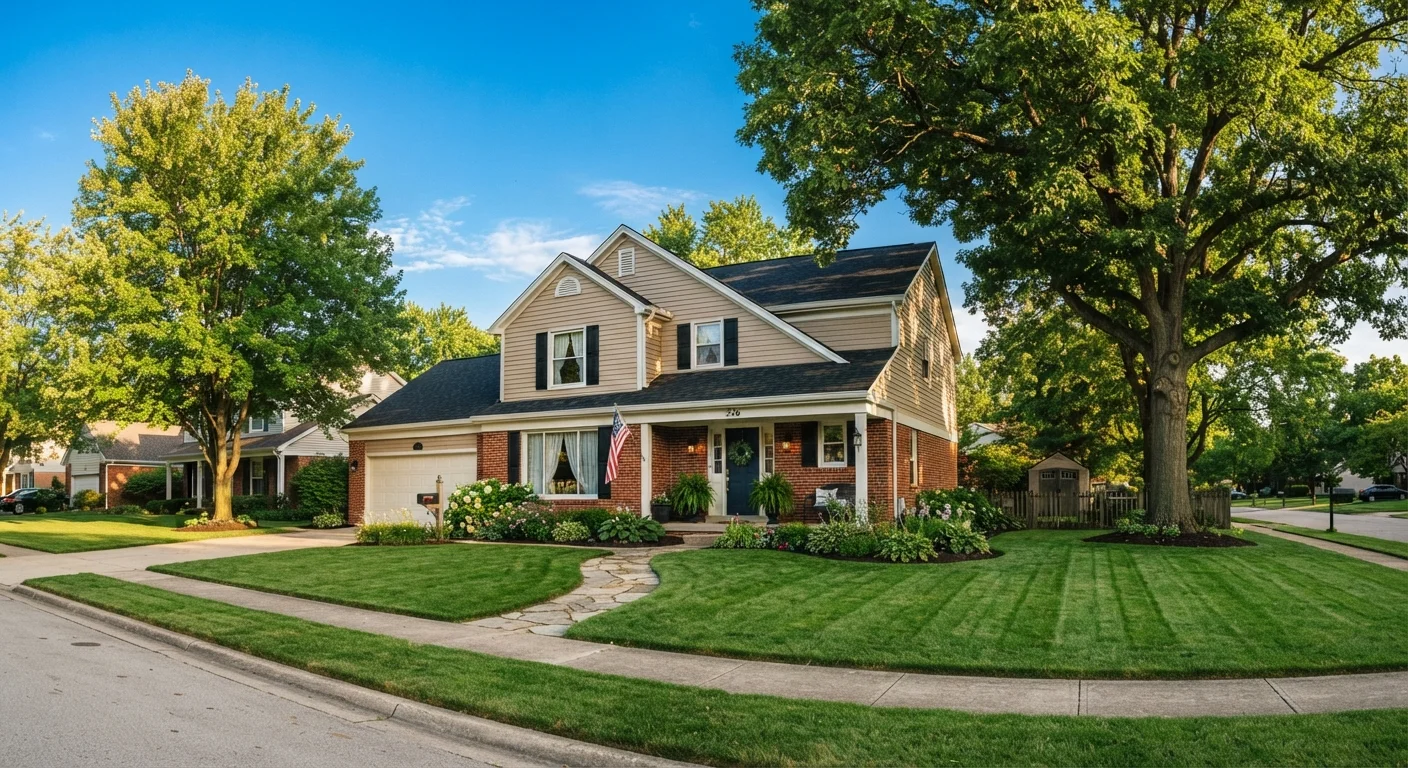
Photo credit: ResultsPoint.net | Find The Required Information
In this article
A comprehensive look at the legal, financial, and physical obligations that continue well after closing day on a home purchase.
Key Takeaways
- Property taxes, insurance, and maintenance costs continue indefinitely after you buy a home.
- Deferred maintenance compounds quickly — small problems become expensive if ignored.
- Homeowners have legal obligations related to safety, permits, and local code compliance.
- HOA rules can restrict how you use your property and carry financial consequences.
- Long-term planning — including insurance reviews and estate considerations — protects your investment.
What Long-Term Ownership Actually Means
Closing day gets most of the attention. There are documents to sign, keys to collect, and a genuine sense of achievement. But the legal transfer of a deed is really the beginning of a decades-long set of obligations — not the finish line.
Owning property long-term means you are solely responsible for everything that happens on that land and inside that structure. Unlike renting, there is no landlord to call when the roof leaks or the furnace fails. Every decision about upkeep, every tax bill, and every legal requirement falls to you.
Understanding the full scope of those responsibilities before problems arise is what separates prepared homeowners from overwhelmed ones. For a solid grounding in the terminology you will encounter, see our guide to key homebuying terms.
Start a Home Ownership Binder
From day one, keep a dedicated folder — physical or digital — containing your deed, survey, insurance policies, appliance manuals, and records of every repair or improvement. This documentation is invaluable when selling, refinancing, or filing an insurance claim.
Financial Obligations That Never Stop
The mortgage is only one slice of your monthly housing cost. Long after closing, homeowners carry a stack of recurring financial obligations.
- Property taxes: Assessed annually by your local government, these are non-negotiable. Failure to pay can ultimately result in a tax lien or foreclosure. Amounts vary widely by location and can change when your home is reassessed.
- Homeowners insurance: Most mortgage lenders require it, but even owners who have paid off their loans need coverage. A lapse can leave you financially exposed to fire, storm damage, theft, or liability claims.
- Maintenance and repair reserves: Financial planners commonly suggest setting aside roughly 1–2% of your home's value each year for upkeep, though costs vary by age, size, and condition of the property.
- Utilities and services: Water, sewer, trash collection, and similar services are billed to the property owner.
For a detailed breakdown of these recurring costs, our article on the true annual cost of owning a home is a useful reference.
1–2%
Recommended annual home maintenance reserve
A widely cited rule of thumb among housing finance professionals suggests setting aside 1–2% of your home's value per year for maintenance and repairs.
$3,000+
Average annual property tax paid by US homeowners
According to the US Census Bureau's American Community Survey, the median annual property tax paid by homeowners nationally exceeds $3,000, though amounts vary significantly by state and locality.
Physical Upkeep: Your Ongoing Maintenance Duties
A home is a physical system made up of many interdependent components — roof, foundation, HVAC, plumbing, electrical, and more. Each has a lifespan, and each requires periodic attention.
Routine maintenance tasks that fall to every homeowner include:
- Inspecting and cleaning gutters seasonally to prevent water damage
- Servicing heating and cooling systems at least annually
- Checking the roof after major storms and replacing it when it reaches end of life
- Maintaining drainage around the foundation to prevent moisture intrusion
- Testing smoke and carbon monoxide detectors regularly
Deferred maintenance — putting off repairs — rarely saves money. A small roof leak ignored for one season can cause structural rot, mold, and insulation damage that costs many times more to remediate. Our home maintenance fundamentals guide covers these duties in plain language for new owners.
Schedule a full home walk-through inspection every three to five years, even if nothing seems obviously wrong. A licensed home inspector can identify slow-developing issues — like early-stage roof wear or minor foundation movement — before they become major expenses.
Most serious structural and system failures give early warning signs that are only visible to a trained eye. Catching them early almost always costs less than emergency repairs.
Keep a simple spreadsheet logging the age and expected lifespan of every major system and appliance in your home. When a water heater is approaching 12 years old or a roof is past 20 years, start budgeting for replacement proactively.
Planned replacements allow you to shop carefully and schedule work at your convenience, while emergency failures often mean paying premium rates for urgent service.
Legal and Administrative Responsibilities
Property ownership carries a set of legal duties that are easy to overlook until a violation surfaces.
Building permits: Most jurisdictions require permits for structural changes, additions, electrical upgrades, and certain plumbing work. Unpermitted work can complicate a future sale and may need to be removed or brought into compliance at your expense.
Local codes and ordinances: These govern everything from fence heights to the condition of your exterior. Municipalities can issue citations and fines for violations. Rules differ significantly by city and county, so checking with your local building department before any project is always advisable.
Liability: As a property owner, you have a legal duty of care to visitors. An unsafe walkway, a broken step, or an unfenced pool can create significant liability if someone is injured. Adequate insurance and prompt repairs are your primary defenses.
Unpermitted Work Can Cost You at Resale
Improvements made without required permits — finished basements, added rooms, electrical panel upgrades — may need to be disclosed to buyers and could require demolition or retroactive permits to close a sale. Always verify permit requirements with your local building department before starting any significant project.
Neighbor, Community, and HOA Obligations
Your responsibilities do not stop at your property line. Owning a home means participating — whether you choose to or not — in a broader community with its own rules and expectations.
Neighbor relations: Overgrown trees that drop debris onto a neighbor's property, fences built on the wrong boundary line, and drainage that diverts water onto adjacent land are common sources of legal disputes. A survey and clear communication can prevent costly conflicts.
Homeowners associations (HOAs): If your property sits within an HOA, you agreed at closing to follow its covenants, conditions, and restrictions (CC&Rs). These can govern paint colors, landscaping, parking, rentals, and more. HOA dues are a real ongoing cost, and failure to comply with rules can result in fines or liens. See our overview of HOA membership rights and responsibilities for a full explanation.
Ignoring HOA Violations Has Real Consequences
HOA fines can accumulate quickly, and in some states an HOA may place a lien on your property for unpaid assessments or fines. If you receive a violation notice, respond promptly and in writing. Review your CC&Rs to understand your rights and the association's obligations before assuming any violation is valid.
Planning Ahead: Insurance, Estate, and Major Repairs
Responsible long-term ownership means looking beyond next month's mortgage payment.
Insurance reviews: Your home's replacement cost changes over time as construction costs rise. Review your homeowners policy periodically to confirm your coverage limits still reflect what it would actually cost to rebuild — not just the market value of the home.
Major system replacement planning: Roofs, HVAC systems, water heaters, and appliances all have predictable lifespans. Keeping a simple log of installation dates allows you to anticipate large expenses and save in advance rather than scrambling when something fails.
Estate planning: How your home is titled affects what happens to it if you die or become incapacitated. Consulting a licensed attorney about ownership structures — joint tenancy, tenancy in common, a living trust — is a practical step for any long-term owner.
The obligations of homeownership are substantial, but they are manageable when understood clearly. Explore the full Buying a Home hub for guidance on every stage of the homeownership journey, and visit the Home Maintenance hub for practical upkeep advice year-round.
This article is for general informational purposes only and does not constitute legal, financial, or tax advice. Consult a qualified professional for guidance specific to your situation.

Author
Real Estate Basics Editorial Team
Real Estate Basics Editorial Team is the collective byline for our editorial team and contributor network. Articles published under this byline or an editorial pen name are researched, written, and reviewed according to our editorial standards for clarity, consistency, and independence before publication.
View all articles →