
When Your Landlord Can—and Can't—Enter Your Apartment
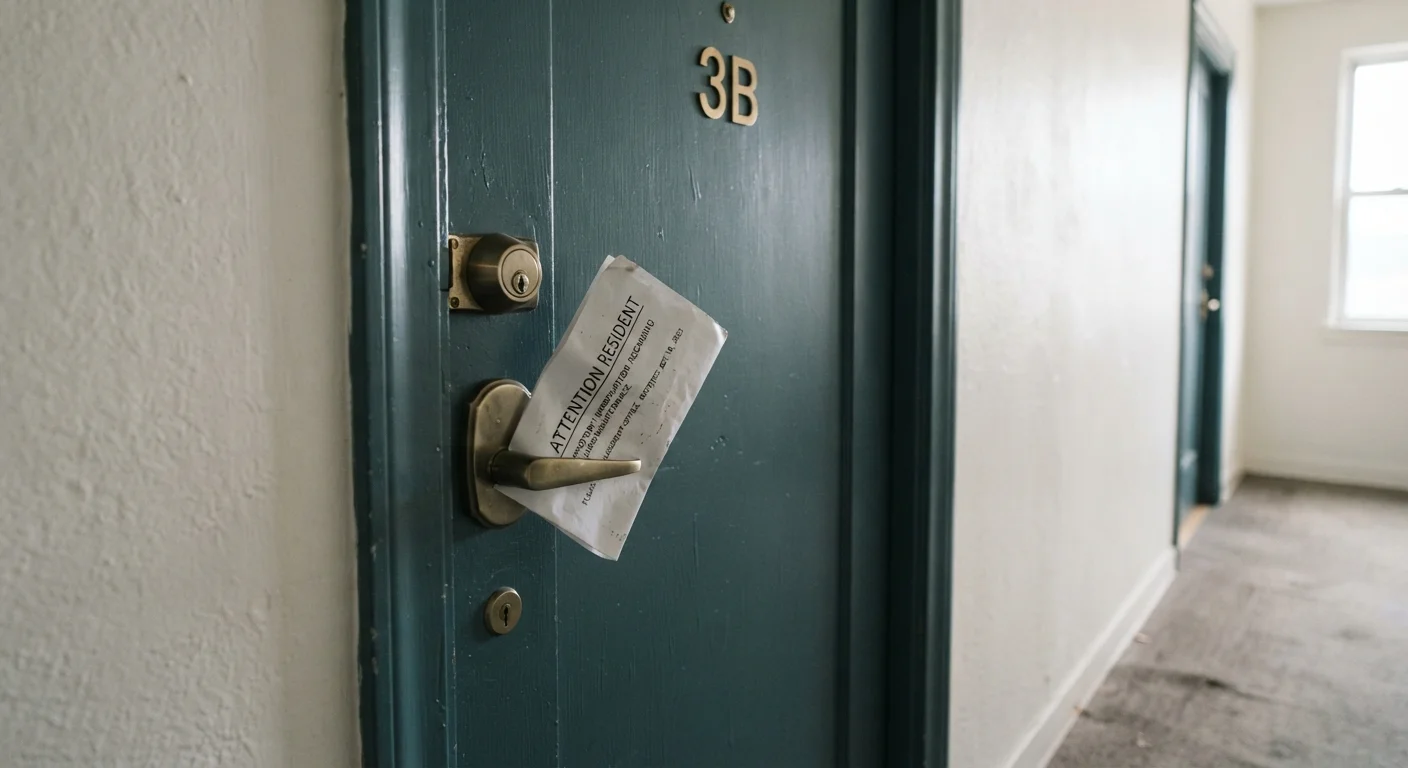
Photo credit: ResultsPoint.net | Find The Required Information
In this article
Most states require advance notice before a landlord enters. Here's what the law generally says and what to do if your privacy isn't respected.
Key Takeaways
- Most states require landlords to give at least 24 hours' notice before entering a rental unit.
- Emergencies such as fire or flooding are generally the only exception to the notice requirement.
- Landlords cannot enter at unreasonable hours, even with advance notice.
- Tenants have the right to document and report unauthorized entries.
- Your lease may spell out specific entry rules that go beyond state minimums.
The Basic Rule: Notice Is Required
In nearly every U.S. state, a landlord must provide advance written notice before entering your apartment. The standard minimum is 24 hours, though states like California and New York require more in certain circumstances. This requirement exists because tenants have a legally recognized right to privacy—even in a home they don't own.
Acceptable reasons for entry typically include:
- Making repairs or inspections
- Showing the unit to prospective tenants or buyers
- Addressing a maintenance issue you reported
- Conducting a routine inspection permitted by your lease
The notice should be in writing and specify the date, approximate time, and reason for entry. Verbal notice may be acceptable in some states, but written notice protects both parties. See our overview of renter rights for more on the legal protections that apply before and during your tenancy.
Save All Entry Notices in Writing
Even if your landlord calls to give verbal notice, follow up with a quick text or email confirming the date and reason for entry. This creates a record that can be useful if a dispute arises later. Written documentation is one of the most effective tools a renter has.
When a Landlord Can Enter Without Notice
There is one widely recognized exception to the notice rule: emergencies. If there's an active fire, a burst pipe flooding the unit, a gas leak, or another situation posing immediate risk to people or property, a landlord—or their agent—may enter without advance notice and without your permission.
What doesn't count as an emergency:
- A repair that could wait until a scheduled appointment
- Wanting to check on the condition of the unit
- Retrieving items left by a previous tenant
Some states also allow landlords to enter without notice if you have abandoned the unit, or if you've specifically requested a repair and implicitly authorized entry. Even so, these exceptions are narrow. When in doubt, check your state's landlord-tenant statute directly.
Entry Rules Vary Significantly by State
While 24 hours is the most common standard, your state may have different rules. Some states don't specify a notice period at all, leaving it to the courts to define "reasonable" notice. Always verify the rules that apply in your specific state before assuming a standard applies to you.
What Your Lease May Say—and Why It Matters
Your lease is the first place to look for the specific entry rules that apply to your apartment. Many leases restate state law, but some go further—requiring longer notice periods or limiting the hours during which entry is permitted. A lease can give you more rights than state law; it generally cannot take rights away.
Be cautious of lease language that seems to grant your landlord unlimited access. A clause saying the landlord may enter "at any time" without notice is likely unenforceable in states with statutory notice requirements. That said, you'd need to assert that right—landlords who include such clauses may act on them unless challenged.
If you're unclear about what your lease allows, our article on common lease misconceptions explains the clauses that most often trip renters up.
24 hrs
Minimum notice required in most U.S. states
The 24-hour advance notice requirement before landlord entry is codified in statutes across the majority of U.S. states, including California, Florida, and Texas.
~35
States with explicit landlord entry notice laws
According to the National Conference of State Legislatures, the majority of states have enacted specific statutes governing landlord entry rights and required notice periods.
48 hrs
Notice period required under California law
California Civil Code Section 1954 generally requires landlords to provide at least 24 hours' notice, with some circumstances—such as certain inspections—requiring 48 hours.
What to Do If Your Landlord Enters Without Permission
If your landlord enters your apartment without proper notice—or without a valid reason—you have options. Here's a practical approach:
- Document it. Write down the date, time, and what happened as soon as possible. If anything was moved or damaged, photograph it.
- Notify your landlord in writing. A calm, factual letter or email stating that the entry violated your lease or state law creates a paper trail. See our guidance on communicating with your landlord for how to frame these conversations productively.
- Contact a local resource. Many cities have tenant's rights organizations or housing authorities that can advise you at no cost. Your state attorney general's office may also have a tenant helpline.
- Consider legal remedies. Repeated unauthorized entries may constitute harassment under some state laws, and tenants have successfully pursued civil claims in such cases. Consult a local attorney or legal aid organization for guidance on your specific situation.
This article provides general information about landlord entry rights in the United States and is not legal advice. Laws vary significantly by state and locality. Consult a licensed attorney or local tenant's rights organization for guidance specific to your situation.
Frequently Asked Questions

Author
Real Estate Basics Editorial Team
Real Estate Basics Editorial Team is the collective byline for our editorial team and contributor network. Articles published under this byline or an editorial pen name are researched, written, and reviewed according to our editorial standards for clarity, consistency, and independence before publication.
View all articles →