
Your First Lease: What Every Clause Actually Means
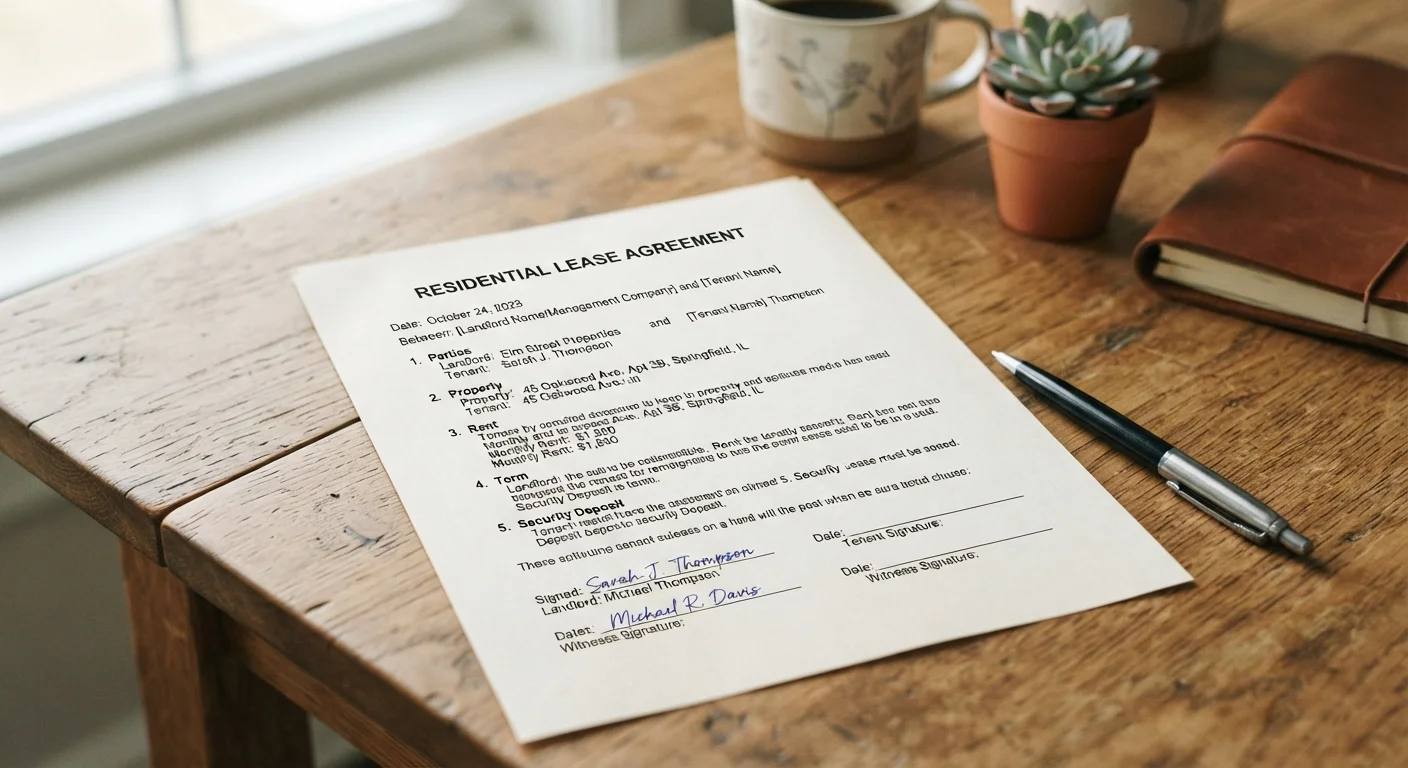
Photo credit: ResultsPoint.net | Find The Required Information
In this article
Confused by lease language? This plain-English breakdown explains the most common clauses so you know exactly what you're signing.
Key Takeaways
- A lease is a legally binding contract — read every clause before signing, not after.
- Security deposits, rent due dates, and lease termination rules are typically the most consequential clauses.
- Some lease terms are negotiable before signing; fewer are negotiable once the ink is dry.
- State and local tenant protection laws may override certain lease clauses.
- Written documentation of any agreed changes protects both tenant and landlord.
What a Lease Actually Is
A lease is a legally binding contract between a tenant and a landlord. It defines the rules of your tenancy — what you can do in the unit, what your landlord is responsible for, and what happens if either party doesn't follow through. Signing one means you're agreeing to every clause inside it, even the ones buried in small print.
Most residential leases in the U.S. run for a fixed term — commonly 12 months — after which they either renew or convert to a month-to-month arrangement. Unlike a purchase contract (if you're curious how the two compare, see key real estate terminology for buyers), a lease doesn't transfer ownership — it grants you the right to occupy a property under agreed conditions.
Lease
A written contract between a tenant and landlord that sets out the rules, rights, and responsibilities for renting a property for a defined period.
Security deposit
An upfront payment held by the landlord to cover unpaid rent or damages beyond normal wear and tear; it must typically be returned after move-out within a state-specified timeframe.
Normal wear and tear
The minor deterioration of a property that occurs through everyday use — such as small nail holes or carpet fading — which landlords generally cannot deduct from your security deposit.
Addendum
A written attachment to a lease that adds, removes, or modifies specific terms — it must be signed by both parties to be enforceable.
Month-to-month tenancy
A rental arrangement with no fixed end date that renews automatically each month; either party can typically end it with proper written notice.
Early termination clause
A lease provision that outlines the financial penalties or conditions under which a tenant can end the lease before its stated expiration date.
The Core Clauses You'll Find in Almost Every Lease
While lease formats vary, these clauses appear in nearly every residential agreement:
- Rent amount and due date: States the monthly rent, when it's due (usually the 1st), and how payment must be made. Also look for a grace period — the number of days after the due date before a late fee applies.
- Security deposit: Specifies the deposit amount, what it can be used for (unpaid rent, damages beyond normal wear and tear), and the timeline for returning it after move-out. State law governs maximum deposit amounts and return deadlines.
- Lease term: The start and end dates. Know these — your obligations begin on day one and don't automatically end if you move out early.
- Occupancy limits: Lists who is authorized to live in the unit. Hosting unlisted long-term guests may technically violate this clause.
- Utilities and maintenance: Clarifies which utilities are included in rent and which are the tenant's responsibility. Also details who handles routine maintenance requests and how to submit them.
Always Read the Late Fee Structure
Late fees can vary widely — some landlords charge a flat fee, others charge a percentage of monthly rent per day. Knowing the exact structure before you sign helps you plan around any tight months and avoid surprises on your billing statement.
Clauses That Often Surprise First-Time Renters
First-time renters tend to skim certain sections — and these are often the ones that cost money later. Pay close attention to:
- Early termination clause: Outlines the financial penalty for breaking your lease before the end date. Some leases require two months' rent; others require you to keep paying until the unit is re-rented.
- Renewal and notice requirements: Many leases require you to give 30–60 days' written notice if you don't plan to renew. Miss this window and you may owe rent beyond your intended move-out date.
- Pet policy: Even a "no pets" clause can sometimes be negotiated before signing. If pets are allowed, the clause should specify any pet deposit or monthly pet fee — and whether that deposit is refundable.
- Subletting restrictions: Most leases prohibit subletting without the landlord's written consent. Violating this can be grounds for eviction. For a deeper look at subletting and related arrangements, see subletting, co-signers, and lease transfers explained.
- Alterations clause: Defines what modifications you're allowed to make — painting, hanging shelves, installing fixtures — and whether you must restore them at move-out.
Missing the Notice Deadline Costs Money
If your lease requires 60 days' notice to vacate and you give only 30, you may owe rent for the remaining notice period even after you've moved out. Mark your calendar well in advance of when notice would need to be given. This is one of the most common — and most avoidable — move-out expenses.
Your Rights as a Tenant
A lease cannot legally override your state's tenant protection laws. Some key protections are federally established; most are set at the state or local level. Common tenant rights include:
- Right to habitable conditions: Landlords are generally legally required to maintain safe, livable conditions — functioning heat, plumbing, and no serious health hazards.
- Right to privacy: In most states, landlords must give advance notice (often 24–48 hours) before entering your unit, except in genuine emergencies.
- Protection against retaliation: It's typically illegal for a landlord to raise your rent or begin eviction proceedings in response to a legitimate complaint about conditions.
- Security deposit protections: Most states set maximum deposit amounts and require landlords to return deposits within a specific timeframe with an itemized list of any deductions.
Because laws vary significantly by state and city, it's worth reviewing the tenant rights resources in your area. For a fuller picture of what renters frequently misunderstand about their own agreements, see common lease misconceptions renters should know.
Before You Sign: A Practical Checklist
Take these steps before you put pen to paper:
- Read the entire document. This sounds obvious, but most lease disputes involve clauses the tenant didn't read. Set aside 30 quiet minutes.
- Ask about anything unclear. Request clarification in writing — email works well — so you have a record of the landlord's interpretation.
- Document the unit's condition. Walk through with the landlord and take dated photos of any existing damage. This protects your deposit at move-out.
- Verify what's included in rent. Confirm whether water, trash, parking, and internet are included or billed separately.
- Get verbal promises in writing. If your landlord says they'll fix the broken dishwasher before you move in, get that commitment added as a signed addendum.
- Know your exit options. Understand the early termination clause and notice requirements before you're in a situation where you need them.
This article provides general educational information about lease agreements and is not legal advice. Tenant-landlord laws vary by state and locality. If you have specific concerns about a lease clause or a dispute with your landlord, consult a qualified attorney or local tenant rights organization.
Frequently Asked Questions

Author
Real Estate Basics Editorial Team
Real Estate Basics Editorial Team is the collective byline for our editorial team and contributor network. Articles published under this byline or an editorial pen name are researched, written, and reviewed according to our editorial standards for clarity, consistency, and independence before publication.
View all articles →