
Things People Get Wrong About Charging Their Phones
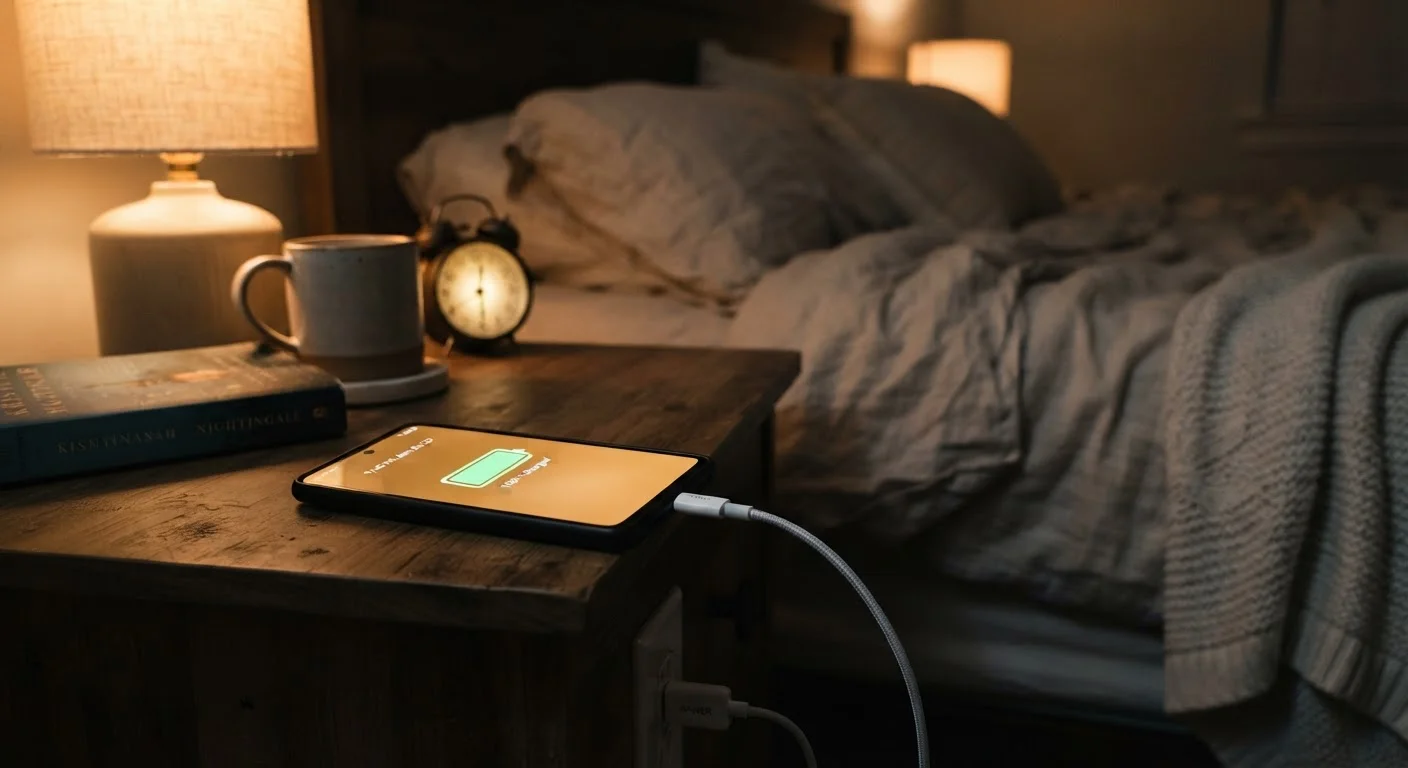
Photo credit: ResultsPoint.net | Find The Required Information
In this article
Separating battery-charging fact from fiction — including whether overnight charging is harmful and what "battery calibration" actually means.
Key Takeaways
- Modern lithium-ion batteries are designed to stop charging once they reach 100%, making overnight charging largely safe.
- Keeping your battery between 20% and 80% generally extends its long-term lifespan.
- "Battery calibration" is a leftover concept from older battery technology and does not apply to modern smartphones.
- Heat — not charging frequency — is the biggest enemy of battery health.
- Cheap, uncertified chargers can pose a real risk; using a certified charger from a reputable source is a sensible precaution.
Why Battery Myths Are So Sticky
Phone charging advice has been passed around for so long that most people treat it as common knowledge. The problem is that a lot of it dates back to older battery chemistry — nickel-cadmium or nickel-metal hydride — that behaved very differently from the lithium-ion batteries inside every modern smartphone. When you hear someone say "you should drain your phone completely before recharging," they're almost certainly repeating advice that made sense in the 1990s but doesn't apply today.
Understanding a few basics helps cut through the noise. Lithium-ion batteries don't have a "memory" that needs resetting. They degrade gradually with charge cycles and heat. That's really the core of it — and most of the myths below either ignore this or get it backwards.
If you enjoy sorting fact from fiction on everyday topics, you might also find our look at home maintenance myths that cost homeowners money worth a read.
The Myths, Corrected
Here are the most common phone-charging misconceptions — and what's actually going on with your battery.
Myth
You should always let your phone battery drain to 0% before charging it again.
Fact
Fully draining a lithium-ion battery regularly actually stresses it. Partial charges are better for long-term health.
This advice comes from the era of nickel-cadmium batteries, which developed a "memory effect" if not fully discharged. Lithium-ion batteries — used in every mainstream smartphone today — work on completely different chemistry. They don't have a memory effect. In fact, repeatedly running them down to zero creates additional wear on the battery cells. Charging from 20–30% up to around 80% is a gentler cycle that most battery researchers suggest helps preserve capacity over time.
Myth
Leaving your phone plugged in overnight will overcharge the battery and damage it.
Fact
Modern smartphones have built-in charge controllers that stop drawing power once the battery hits 100%. Overnight charging is generally safe.
This was a legitimate concern with very early consumer electronics, but smartphones manufactured in the past decade include hardware and software safeguards specifically to prevent overcharging. Many phones also include a feature — sometimes called "optimized charging" — that learns your overnight schedule and intentionally pauses charging at around 80%, completing the last stretch just before your typical wake time. The main thing to watch is heat: if your phone gets warm while charging overnight (usually because of a heavy case or a thick blanket covering it), that warmth is the actual stressor, not the charging itself.
Myth
You need to "calibrate" your battery by running it to 0% and charging it to 100% periodically.
Fact
Battery calibration was relevant for older nickel-based batteries. It has no meaningful effect on lithium-ion batteries in modern phones.
The calibration ritual — drain completely, charge uninterrupted to 100% — was a way to reset the fuel gauge on older battery types so the device displayed an accurate charge reading. Modern phones use sophisticated battery management systems that track charge state continuously. Going through a full drain-and-charge cycle won't recondition your battery or restore lost capacity. If your phone's battery percentage display seems erratic, that's typically a software or sensor issue, not something a calibration cycle will fix.
Myth
Using your phone while it charges is bad for the battery.
Fact
Normal phone use during charging — browsing, texting, calls — does not meaningfully harm the battery.
The battery management system handles simultaneous charging and discharging without issue. Where this myth has a kernel of truth: running very demanding tasks (high-end gaming, extended video recording) while charging can generate extra heat, and heat does stress the battery. Casual use while plugged in is fine. If you're doing something unusually processor-intensive for an extended period and the phone feels hot, that's when it's worth pausing and letting it cool down.
Myth
Third-party chargers always damage your battery or are dangerous.
Fact
Chargers that carry legitimate safety certifications are generally safe to use. The real risk is uncertified, very cheap chargers with no quality control.
Not all third-party chargers are equal. A charger that has been tested and certified to recognized safety standards behaves predictably and won't harm your phone. The concern is specifically with extremely cheap, uncertified chargers — often sold without any brand identification — that may skip the voltage regulation components that keep charging stable. These can occasionally cause overheating or inconsistent power delivery. Checking for recognized safety markings on any charger you buy is a reasonable step, regardless of brand.
What Actually Damages Your Battery
Once you clear away the myths, a clear picture emerges of what genuinely shortens battery life.
~500
Typical full charge cycles before noticeable capacity loss
Battery manufacturers generally rate lithium-ion cells for around 300–500 full charge cycles before capacity drops to roughly 80% of original — partial charges count as fractions of a cycle.
~25°C
Optimal storage and charging temperature for lithium-ion
Battery researchers consistently identify temperatures above 40°C (104°F) as accelerating lithium-ion degradation significantly more than charging frequency does.
Heat is the number-one culprit. Leaving your phone on a hot car dashboard, using it intensively while charging, or sealing it inside a thick case during charging can all push temperatures high enough to accelerate battery wear. Keeping your phone reasonably cool during charging is one of the few habits that genuinely makes a measurable difference.
Extremely deep discharges — routinely letting the battery hit 0% — stress the cells more than topping off from 50%. Charging frequently in smaller increments is actually fine for lithium-ion.
Unverified chargers are a real concern, though less for battery health and more for safety. A charger that lacks proper certification may not regulate voltage consistently, which in rare cases can cause overheating. This is worth paying attention to — not as a reason to panic, but as a reason to check that your charger meets basic safety standards.
Watch Out for Uncertified Chargers
Chargers without recognized safety certifications may lack proper voltage regulation, which can cause inconsistent charging or, in rare cases, overheating. Before using any charger, look for safety certification markings. If a charger runs unusually hot or causes your phone to get very warm, stop using it.

Author
Tech Editorial Team
Tech Editorial Team is the collective byline for our editorial team and contributor network. Articles published under this byline or an editorial pen name are researched, written, and reviewed according to our editorial standards for clarity, consistency, and independence before publication.
View all articles →