
Depreciation and the Real Cost of Car Ownership Over Time
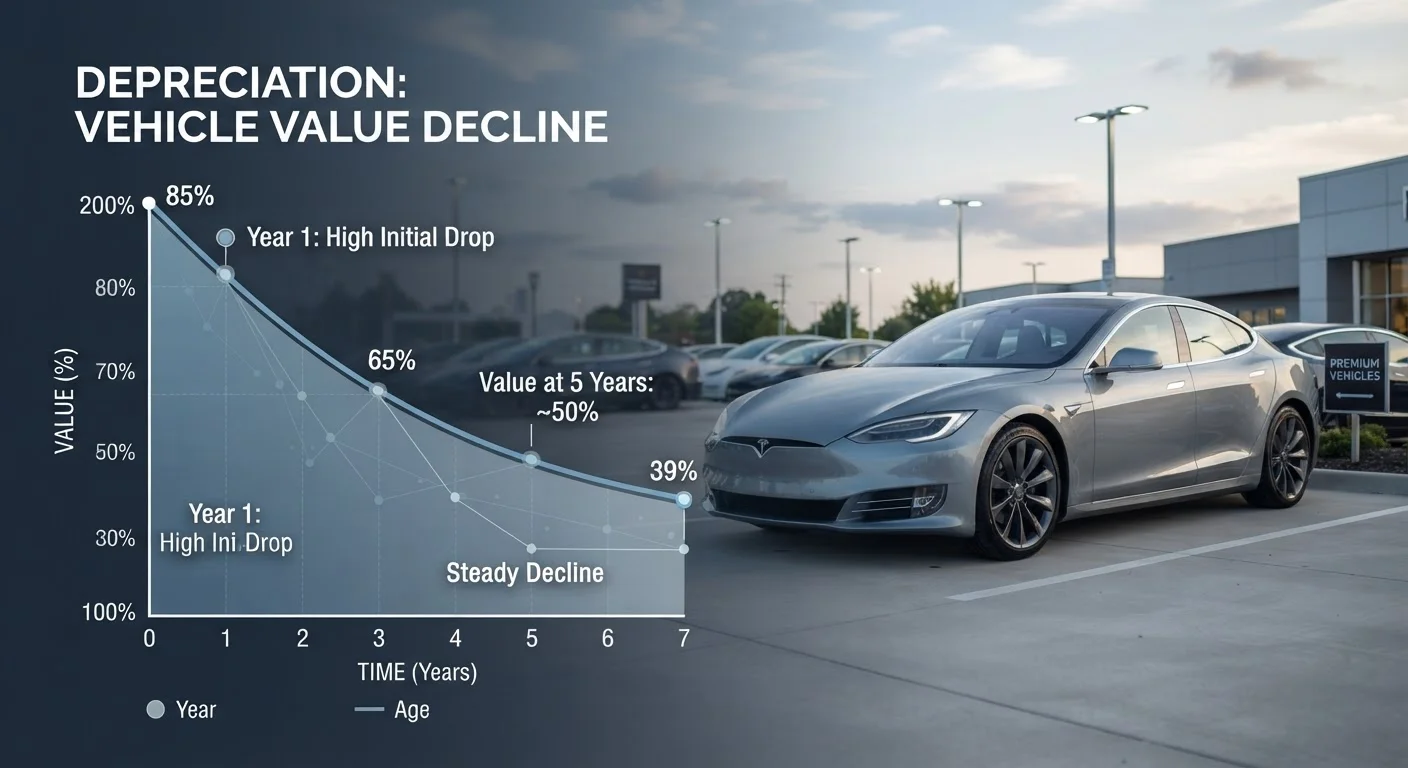
Photo credit: ResultsPoint.net | Find The Required Information
In this article
Most vehicles lose a significant chunk of value in the first few years. Here's how depreciation works and why it matters to your long-term finances.
Key Takeaways
- Most new vehicles lose 15–25% of their value in the first year alone.
- Depreciation is typically the single largest cost of car ownership over time.
- Mileage, condition, brand reputation, and fuel type all affect how quickly a vehicle loses value.
- Buying a used vehicle can significantly reduce the depreciation hit you absorb.
- Understanding depreciation helps you make smarter decisions about when to buy, sell, or trade in.
Why Depreciation Is the Cost Nobody Talks About
When people calculate what a car costs, they usually think about the loan payment, insurance, gas, and the occasional repair bill. What rarely makes the list is depreciation — and that's a significant blind spot. Depreciation is the ongoing loss in a vehicle's market value, and for most owners, it represents a larger financial outlay than any other single ownership expense over time.
It's not a bill you receive. There's no invoice, no reminder, and no line item on a monthly statement. But it's real. When you eventually sell, trade in, or simply stop driving a vehicle, the gap between what you paid and what you get back is depreciation made visible. Understanding it changes how you think about every vehicle purchase. See the full picture of car ownership costs for context on where depreciation fits alongside fuel, insurance, and maintenance.
~20%
Average first-year value loss for a new vehicle
Industry estimates consistently place new-car depreciation in the 15–25% range within the first 12 months of ownership.
~50%
Value lost by year five on average
Many vehicles lose roughly half their original value within five years, depending on brand, mileage, and market demand.
#1
Depreciation's rank among car ownership costs
Automotive financial analysts broadly cite depreciation as the single largest expense over a typical vehicle ownership period.
How the Depreciation Curve Actually Works
Vehicle depreciation doesn't happen at a steady pace. It front-loads the pain. A new car typically loses 15–25% of its value in the first year — sometimes more. By year five, many vehicles have lost 40–60% of their original purchase price. After that, the decline generally slows, though it never fully stops.
The sharpest drop happens immediately because the car transitions from 'new' to 'used' the moment it's driven off the lot. From that point forward, market value is determined by what a buyer is willing to pay for a comparable used vehicle, which is always less than the new-car price.
Electric Vehicle Depreciation Is Still Evolving
The used EV market is relatively young, and residual values have varied significantly by model and battery capacity. Rapid changes in charging infrastructure, battery technology, and available tax incentives have made EV depreciation harder to predict than that of traditional gas-powered vehicles. If you're considering an electric vehicle, it's worth researching current resale data for the specific model rather than applying general depreciation rules.
Several variables shape the curve. Vehicles with strong reliability reputations, consistent resale demand, and lower initial mileage tend to depreciate more slowly. Luxury vehicles often depreciate faster in percentage terms because their high sticker prices make each percentage drop a larger dollar amount. Electric vehicles present a more complex picture, as their residual values are still being established in the market.
How Depreciation Affects Your Real Financial Position
If you finance a vehicle, depreciation creates an important risk early in the loan term. In the first year or two, a car can lose value faster than loan payments reduce the principal balance. This leaves some owners 'upside down' — owing more on the loan than the car is currently worth. If the vehicle is totaled or stolen during this window, standard insurance typically pays market value, not the loan balance. That gap can be hundreds or thousands of dollars out of pocket.
This is one reason gap insurance exists and why it's worth understanding before you sign a loan agreement. Financial missteps like skipping gap coverage can turn an already-painful situation into a lasting problem. Similarly, rolling negative equity from one vehicle into the next loan compounds the problem and is worth avoiding.
Check Your Equity Position Before Trading In
Before you trade in or sell a vehicle, get an independent market valuation and compare it to your remaining loan balance. If you owe more than the car is worth, you're underwater. Trading in while underwater rolls the deficit into your next loan — quietly inflating what you'll pay for your next vehicle. Knowing your position before you shop puts you in a much stronger negotiating stance.
Buying Used: The Depreciation Advantage
One practical response to depreciation is buying a used vehicle. When someone else absorbs the first-year or first-two-year drop in value, you inherit what's often a more stable part of the curve. A two- or three-year-old vehicle with reasonable mileage typically offers most of the reliability of a new car at a meaningfully lower price — and will depreciate more slowly from there.
This doesn't mean used is always the right call. Newer vehicles may carry warranty coverage, updated safety features, and better fuel efficiency. The point is that depreciation should be a deliberate factor in the decision, not an afterthought. First-time buyers in particular can benefit from thinking this through — a first-car financial checklist can help frame the full picture before committing.
Depreciation also interacts with other long-term financial forces. Just as inflation quietly erodes purchasing power over time, depreciation quietly erodes vehicle equity — and both are worth accounting for in any honest financial plan. For a broader view of how asset ownership compares across categories, the true annual cost of owning a home offers a useful parallel.
This article is for general informational purposes only and does not constitute financial or investment advice. For guidance specific to your financial situation, consult a qualified financial professional.
Frequently Asked Questions

Author
Autos Editorial Team
Autos Editorial Team is the collective byline for our editorial team and contributor network. Articles published under this byline or an editorial pen name are researched, written, and reviewed according to our editorial standards for clarity, consistency, and independence before publication.
View all articles →