
Car Ownership Costs Beyond the Sticker Price
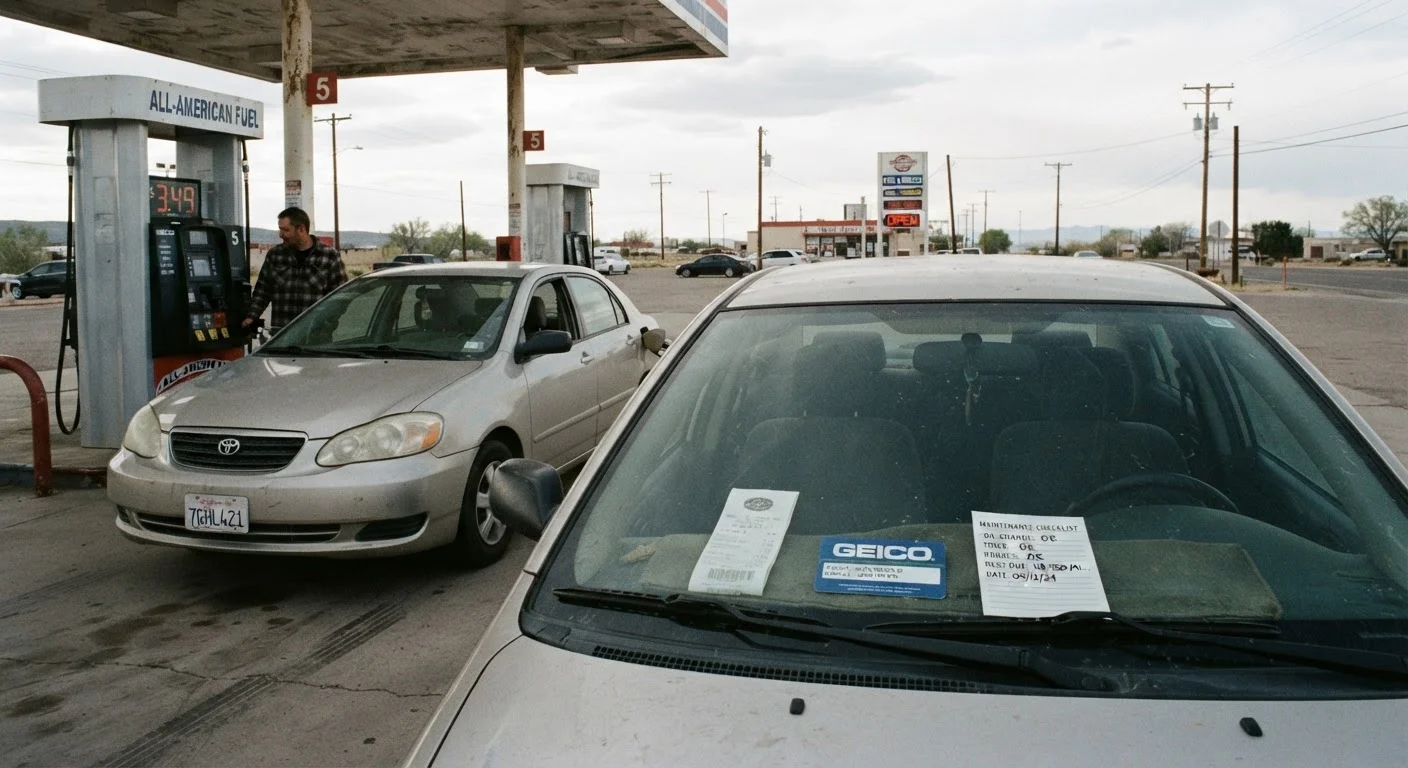
Photo credit: ResultsPoint.net | Find The Required Information
In this article
Fuel, insurance, maintenance, and taxes add up fast. Here's what the full financial picture of owning a car actually looks like.
Key Takeaways
- The sticker price covers only a fraction of what you'll actually spend on a vehicle.
- Fuel, insurance, and maintenance are recurring costs that vary widely by vehicle type and driving habits.
- Depreciation is often the single largest component of long-term ownership cost.
- Registration fees, personal property taxes, and emissions testing add to the annual bill in many states.
- Budgeting for ownership costs before buying helps you choose a vehicle you can genuinely afford.
Why the Sticker Price Is Only the Starting Point
When most people shop for a car, they focus on the monthly payment or the total purchase price. That's understandable — it's the biggest number in the room. But that number doesn't tell the full story. Once you drive off the lot, a whole layer of additional costs kicks in immediately and continues for as long as you own the vehicle.
Understanding the complete financial picture before you buy — not after — puts you in a much stronger position. Whether you're a first-time buyer or a long-time owner, knowing what to expect protects your budget and helps you avoid surprises. For a broader look at the administrative and financial side of ownership, see our complete guide to car ownership costs and responsibilities.
$10,000+
Average annual cost to own a car
AAA's annual "Your Driving Costs" study has consistently found total ownership costs exceeding $10,000 per year for an average new vehicle when all expenses are included.
~20%
Typical first-year depreciation
Many new vehicles lose roughly 15–20% of their value in the first year alone, according to widely cited automotive valuation data.
15–20%
Share of ownership cost from insurance
Insurance typically represents 15–20% of total annual ownership costs for an average driver, per industry breakdowns.
The Big Recurring Costs You Can't Skip
Fuel is the most obvious ongoing expense. How much you spend depends on the vehicle's fuel efficiency, the type of fuel it requires, and how much you drive. A full-size truck with a 15 MPG rating driven 15,000 miles a year will cost more than twice as much in fuel as a compact car getting 35 MPG.
Auto insurance is required by law in nearly every state, and premiums vary based on your driving record, location, age, the vehicle itself, and the coverage levels you choose. Shopping around at renewal and keeping a clean driving record are two of the most reliable ways to manage this cost over time.
Routine maintenance — oil changes, tire rotations, brake service, filters, and fluid replacements — is non-negotiable if you want the vehicle to last. These costs are predictable and budgetable. Skipping them tends to turn small expenses into large ones. Our car maintenance hub covers what to expect at different mileage intervals.
Budget by Category, Not Just Payment
Before finalizing any vehicle purchase, estimate your monthly fuel cost, get at least one insurance quote for that specific vehicle, and look up the state's registration fee structure. Adding these to the loan payment gives you a realistic monthly total — not just the number on the financing paperwork.
Taxes, Fees, and Government-Required Costs
Sales tax at purchase can add several thousand dollars to the price of a new or used vehicle, depending on your state's rate. Beyond that, most states require annual vehicle registration, and renewal fees can range from under $50 to well over $200 depending on where you live and the vehicle's weight or value.
Some states — including Virginia, Missouri, and several others — charge a personal property tax on vehicles each year based on the car's assessed value. If you're moving from a state that doesn't have this tax to one that does, it can be a meaningful budget adjustment.
Emissions testing and vehicle inspections are required in many states and may come with their own fees. If your vehicle fails an inspection, repair costs to bring it into compliance are on you.
State Rules Vary Significantly
Registration fees, personal property taxes, emissions requirements, and inspection rules differ state by state — and sometimes county by county. Before buying, check your specific state's DMV or equivalent agency website to understand exactly what annual fees apply to the vehicle you're considering.
Depreciation: The Cost You Don't See on a Receipt
Depreciation is the decline in your vehicle's market value over time, and it's typically the single largest cost of ownership — yet it doesn't show up as a bill. A new vehicle can lose a significant portion of its value in the first three to five years. When you sell or trade in the car, you recoup only what the market will pay, not what you originally spent.
This matters most if you're financing a vehicle. In the early years of a loan, you can owe more than the car is worth — a situation called being "underwater" or having negative equity. Understanding how depreciation works is essential to making sound long-term decisions about when to buy, sell, or trade.
Putting It All Together
When you add up fuel, insurance, maintenance, registration, taxes, and depreciation, the annual cost of owning a typical vehicle in the US regularly runs well above what most drivers budget for. The gap between what people expect and what they actually spend is where financial stress tends to build — particularly for first-time owners.
The remedy isn't complicated: list every category before you commit to a vehicle and run honest estimates. If the numbers don't work across all the categories — not just the loan payment — that's important information. See how these dynamics play out in practice in our article on common financial mistakes car owners make.
Car ownership can absolutely make sense financially — but only when you know what you're actually signing up for.
Frequently Asked Questions

Author
Autos Editorial Team
Autos Editorial Team is the collective byline for our editorial team and contributor network. Articles published under this byline or an editorial pen name are researched, written, and reviewed according to our editorial standards for clarity, consistency, and independence before publication.
View all articles →