
Sinking Funds: A Practical Tool for Irregular Expenses
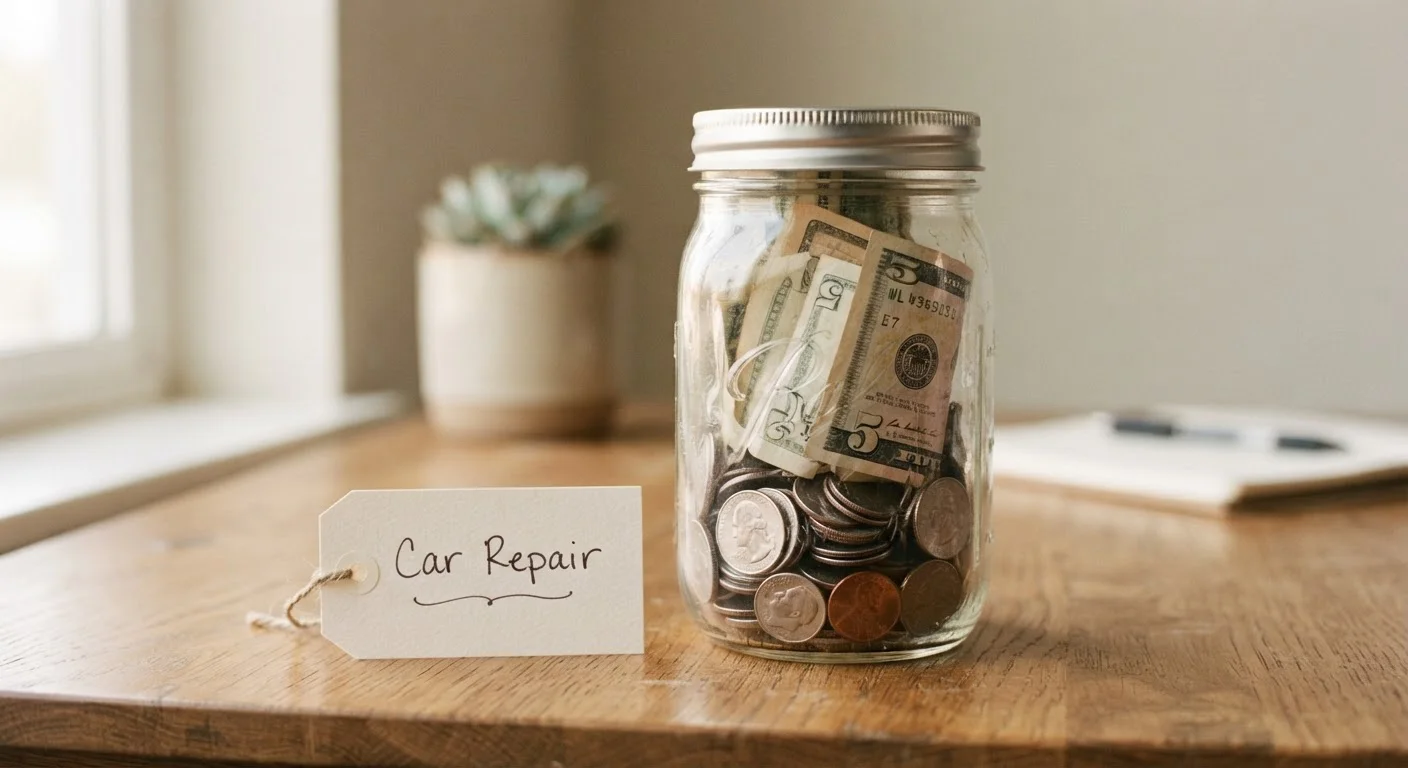
Photo credit: ResultsPoint.net | Find The Required Information
In this article
A sinking fund lets you save gradually for predictable but irregular costs. Here's how the concept works and why it reduces financial stress.
Key Takeaways
- A sinking fund is money saved gradually for a predictable but irregular expense.
- It prevents large, periodic bills from derailing your monthly budget.
- You can run multiple sinking funds simultaneously for different goals.
- Sinking funds are different from emergency funds, which cover unexpected costs.
- Even small monthly contributions add up meaningfully over time.
The Problem Sinking Funds Solve
Most budgets are built around monthly expenses—rent, utilities, groceries. But plenty of real costs don't arrive every month. Car registration, holiday gifts, annual insurance premiums, back-to-school supplies, home maintenance—these bills are perfectly predictable, yet they still catch people off guard because the money wasn't set aside in advance.
The result is usually one of two things: you put the expense on a credit card and pay interest, or you raid money earmarked for something else. Either way, your budget takes a hit that could have been avoided.
A sinking fund breaks that cycle. By saving a small, fixed amount each month toward a known future expense, the bill stops being a crisis and becomes just another item you've already planned for.
Name Your Funds to Stay Motivated
Labeling a savings account 'Car Repairs' or 'Holiday Gifts' makes the purpose concrete and discourages casual spending from it. Many online banks let you nickname accounts for free. A named account reinforces the intention behind every deposit.
How a Sinking Fund Works in Practice
The math is straightforward. Identify an upcoming expense, estimate the total cost, and count how many months you have until you need the money. Divide the total by the number of months, and that's your monthly contribution.
For example: your vehicle registration costs roughly $180 each year. Divide $180 by 12 and you need to set aside $15 per month. When the bill arrives, the money is already there.
The same logic applies to larger goals. A $1,200 family vacation in 10 months requires $120 per month. A $500 annual deductible on your homeowner's policy? About $42 per month if you give yourself a year.
~36%
Americans who couldn't cover a $400 emergency with cash
According to the Federal Reserve's Report on the Economic Well-Being of U.S. Households, a significant share of adults would struggle to cover an unexpected $400 expense without borrowing or selling something.
$1,000+
Typical annual car maintenance and repair cost per vehicle
Industry estimates from AAA have historically placed average annual vehicle maintenance and repair costs above $1,000, making it one of the most common uses for a sinking fund.
Many people find it helpful to keep sinking funds in accounts separate from their primary checking or emergency savings. This reduces the temptation to dip into the fund for unrelated purchases. Some banks allow you to open multiple savings accounts and label each one, which makes tracking simple. For more on building the habit of regular saving, see practical approaches to saving consistently.
Sinking Funds vs. Emergency Funds: Know the Difference
People sometimes confuse sinking funds with emergency funds, but they serve different purposes. An emergency fund is a catch-all reserve for genuinely unpredictable costs—a layoff, a medical emergency, an appliance failure you had no reason to expect. It's your financial buffer against the unknown.
A sinking fund, by contrast, targets costs you can see coming. The car needs tires eventually. The property taxes come due twice a year. The kids need school clothes in August. These aren't surprises—they're certainties that simply don't fit neatly into a monthly cash flow.
Financial educators generally suggest getting your emergency fund to a stable baseline before allocating heavily to sinking funds. Why an emergency fund matters before you pay off debt explains that reasoning in depth. Homeowners may also find value in a dedicated home repair reserve; building a home emergency fund covers how to size and structure that separately.
Sinking Funds Are Not Investment Accounts
Because sinking fund money is earmarked for near-term expenses, it should stay in a liquid, low-risk account—not invested in stocks or other assets that can lose value. The goal is accessibility and stability, not growth. A high-yield savings account is a common choice, though individual circumstances vary.
Getting Started Without Overcomplicating It
You don't need a spreadsheet or specialized software to run a sinking fund. Start with one expense that regularly catches you off guard. Calculate the monthly amount, open a separate savings account if possible, and set up a recurring transfer. Automating your savings can remove the willpower from the equation entirely.
Once that first fund becomes routine, adding a second or third is straightforward. The goal isn't a perfect system—it's reducing the number of times a predictable expense disrupts your financial footing. Even if your contributions are modest, partial funding is better than none.
If your income fluctuates month to month, the fixed-contribution model may need adjusting. Budgeting on an irregular income offers frameworks that adapt to variable earnings.
This article is for general informational purposes only and does not constitute personalized financial advice. Consider consulting a qualified financial professional for guidance specific to your situation.
Frequently Asked Questions

Author
Finance Editorial Team
Finance Editorial Team is the collective byline for our editorial team and contributor network. Articles published under this byline or an editorial pen name are researched, written, and reviewed according to our editorial standards for clarity, consistency, and independence before publication.
View all articles →