
Why an Emergency Fund Matters Before You Pay Off Debt
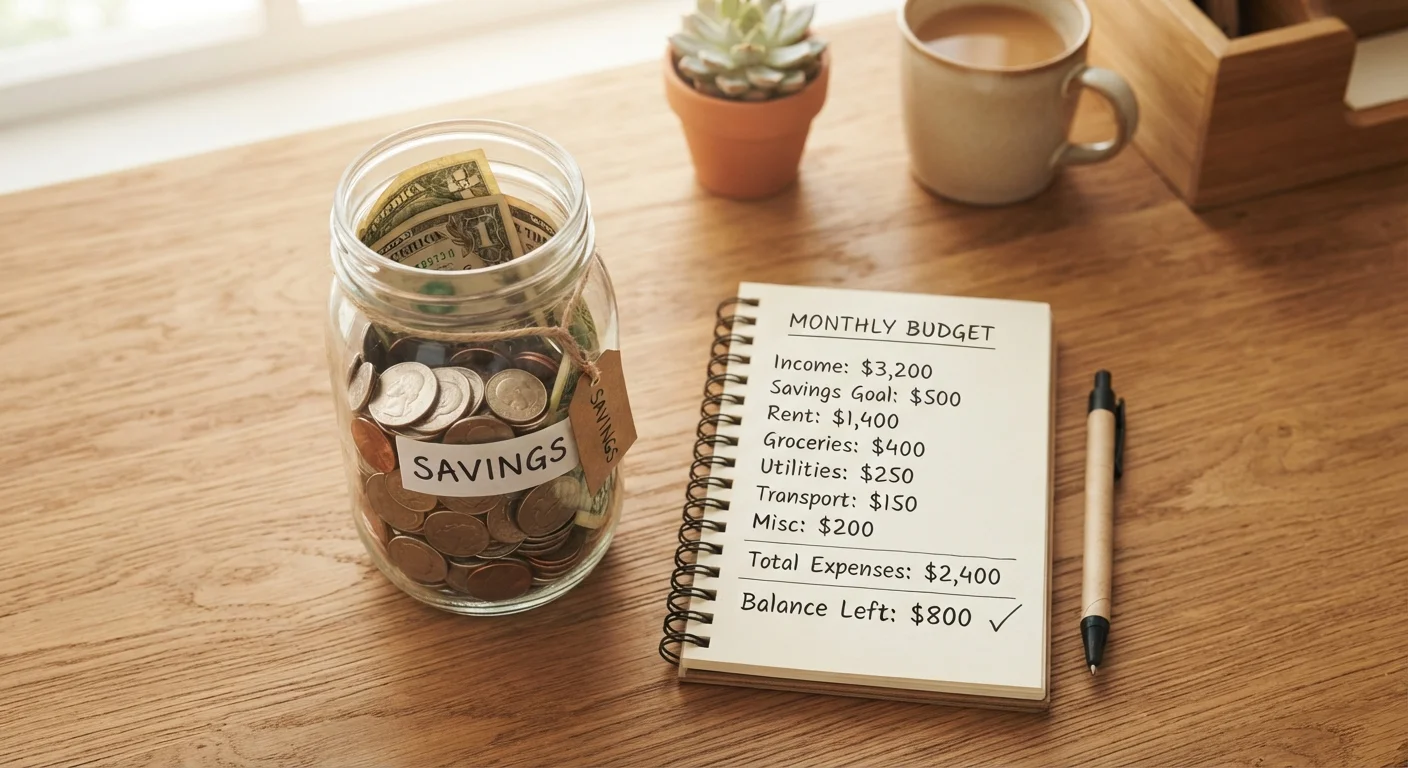
Photo credit: ResultsPoint.net | Find The Required Information
In this article
Many people skip saving while paying down debt. Here's why having even a small cash cushion first can protect your repayment progress.
Key Takeaways
- A small emergency fund — even $500 to $1,000 — can prevent new debt when unexpected costs arise.
- Without any cash reserve, a single emergency can erase weeks or months of debt repayment progress.
- Building a starter emergency fund first does not mean ignoring debt; it means protecting the effort you're about to make.
- High-interest debt typically warrants more urgency, but a minimal cash buffer still reduces overall risk.
- Once debt is paid off, expanding the emergency fund to cover three to six months of expenses is a widely recommended next step.
The Debt-First Instinct — and Why It Can Backfire
When you're staring down a stack of debt, the math seems obvious: put every spare dollar toward paying it off faster. It's a logical impulse. But this all-in approach has a blind spot — it leaves you with no buffer when something unexpected happens.
And something unexpected almost always happens. A tire blows out. The water heater quits. A medical copay arrives in the mail. Without any cash set aside, even a modest emergency forces you to reach for a credit card or take out a loan — adding new debt on top of the old debt you were trying to eliminate.
That's not a failure of willpower. It's a gap in the plan. See our financial readiness checklist for a fuller look at what to have in place before aggressive repayment begins.
~40%
Americans who couldn't cover a $400 emergency from savings
According to the Federal Reserve's Report on the Economic Well-Being of U.S. Households, a significant share of adults say a modest unexpected expense would be difficult to handle without borrowing or selling something.
3–6 months
Recommended expenses covered by a full emergency fund
Financial educators broadly recommend building toward three to six months of essential living expenses once high-interest debt is cleared, though the right amount varies by individual circumstances.
What a Starter Emergency Fund Actually Does
A starter emergency fund — often described as $500 to $1,000 — isn't meant to cover six months of living expenses. That's a longer-term goal. The starter version exists to handle the most common, smaller crises without derailing your repayment momentum.
Think of it as insurance for your debt payoff plan. You're not hoarding cash instead of paying down debt; you're protecting the progress you're about to make. Without it, one bad week can send you two steps back for every step forward.
Start Small, Then Stop Adding Temporarily
You don't need a fully stocked emergency fund before touching your debt. Aim for a modest starter amount — enough to cover one or two likely emergencies — then redirect your energy to debt repayment. You can build the fund further once high-interest balances are cleared. Small and ready beats large and hypothetical.
This is especially important if your debt includes high-interest credit cards. Pausing progress to charge a new emergency right back onto that card can feel demoralizing — and it costs you in added interest. A small reserve breaks that loop.
For a broader look at how saving and debt repayment work together, the Saving and Debt Repayment: A Starter's Overview is a good starting point if you're new to managing these trade-offs.
The Psychological Case for Saving First
There's a behavioral dimension here that's easy to overlook. People who have even a small cushion in savings tend to feel more in control of their finances — and that sense of stability matters. Feeling financially fragile can lead to anxiety-driven decisions that actually slow down debt repayment.
Knowing you have $800 sitting in a savings account changes how you react when the car needs a repair. Instead of panic, you problem-solve. That mental shift has real value.
“A small financial cushion doesn't just protect your money — it protects your decisions. People without a buffer tend to make choices under pressure that cost them more in the long run.”
— Consumer Financial Protection Bureau, U.S. federal agency focused on consumer financial education and protection
The Saving While Carrying Debt article explores when it makes sense to do both simultaneously, which is a useful next read once you have your starter fund in place.
How to Build One Without Slowing Your Debt Payoff
You don't need to pause debt payments entirely. The goal is to accumulate a small reserve quickly — often over one to three months — before shifting focus back to aggressive repayment.
- Set a specific target. Pick a number — $500, $750, or $1,000 — and treat it as a short-term savings sprint.
- Automate a small transfer. Even $25 or $50 per paycheck adds up without requiring constant decisions.
- Keep it separate. A dedicated savings account makes it easier to track and harder to spend accidentally.
- Replenish it when you use it. If an emergency draws the fund down, rebuild it before returning to full debt-payoff mode.
Homeowners should also think about property-specific surprises. Our guide on building a home emergency fund covers how to size reserves for unexpected repair costs.
For context on broader trade-offs, The Tradeoffs of Paying Off Debt Early Versus Building Savings Simultaneously gives a balanced view of each path. And if you're managing irregular predictable costs — like annual fees or car registration — a sinking fund is a separate tool worth understanding alongside your emergency reserve.
This article is for general informational and educational purposes only and does not constitute personalized financial advice. Consult a qualified financial adviser for guidance specific to your situation.
Frequently Asked Questions

Author
Finance Editorial Team
Finance Editorial Team is the collective byline for our editorial team and contributor network. Articles published under this byline or an editorial pen name are researched, written, and reviewed according to our editorial standards for clarity, consistency, and independence before publication.
View all articles →