
Journaling for Emotional Clarity: A Practical Starting Point
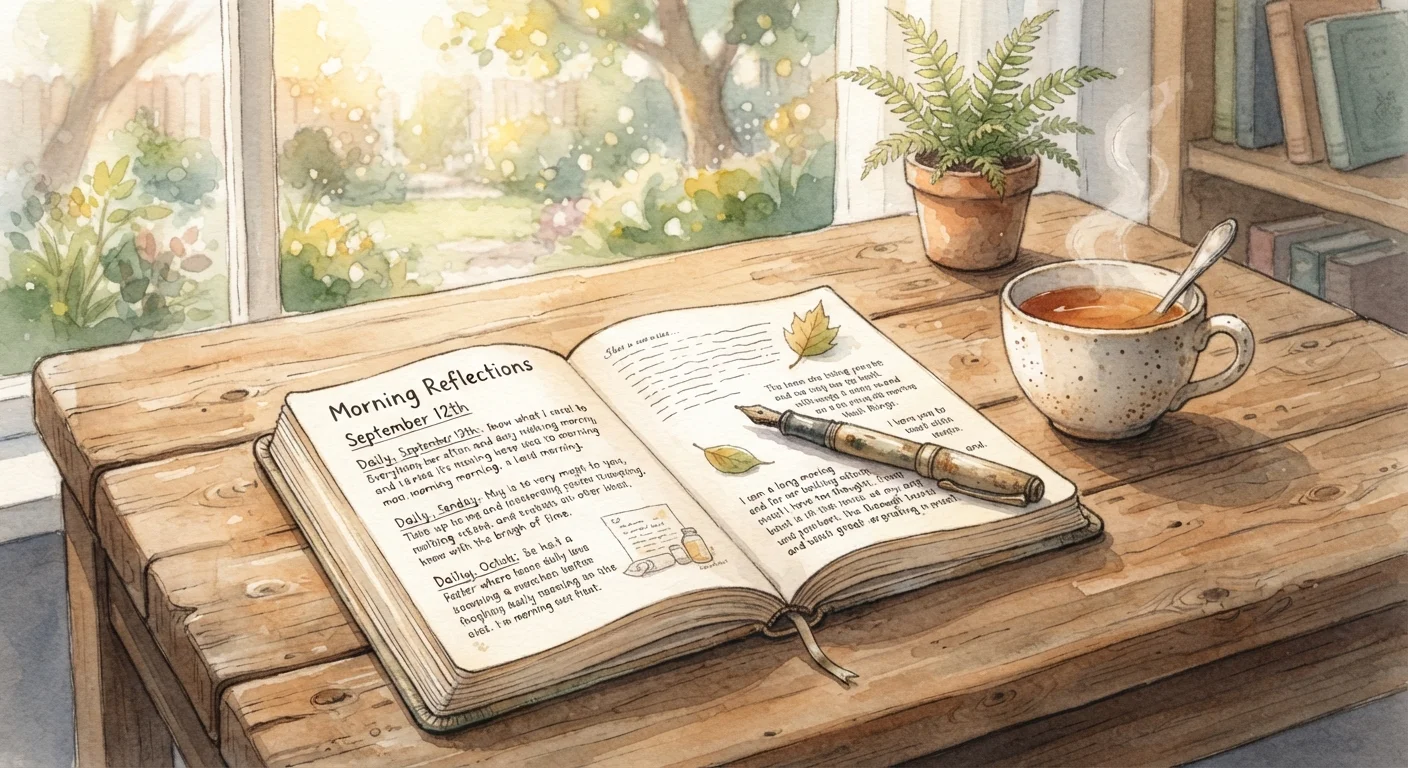
Photo credit: ResultsPoint.net | Find The Required Information
In this article
Discover how regular journaling can help you process emotions, spot patterns, and build self-awareness — no writing experience required.
Key Takeaways
- Journaling helps translate vague emotional tension into specific, manageable thoughts.
- You don't need writing skill or daily discipline — consistency matters more than perfection.
- Structured prompts make it easier to move past surface-level venting.
- Reviewing past entries helps you spot emotional patterns you'd otherwise miss.
- Journaling complements but does not replace professional mental health support.
Why Journaling Works for Emotional Processing
When emotions feel like static — loud, shapeless, hard to locate — writing gives them structure. Putting feelings into words is not just poetic; it activates a process researchers call affect labeling, which involves identifying and naming an emotional state. Studies in psychology suggest that naming emotions can reduce their intensity by engaging the prefrontal cortex, the part of the brain involved in reasoning and self-regulation.
Journaling is not about producing good writing. It is about creating a private space to externalize what is internal — to see your own thinking laid out where you can actually examine it. This is especially useful for emotions that feel too tangled or embarrassing to voice out loud, which is part of why talking to friends has limits that a personal journal can help fill.
Affect labeling
The process of putting feelings into words. Psychological research suggests naming emotions can help reduce their intensity by engaging the brain's reasoning centers.
Free writing
A journaling technique where you write continuously without editing or stopping, letting thoughts flow unfiltered. The goal is honesty, not polish.
Emotional regulation
The ability to recognize, understand, and manage your emotional responses. Journaling is one practice that can support this skill over time.
Rumination
Repetitively thinking or writing about a problem without moving toward new insight or resolution. Structured prompts can help prevent journaling from becoming unproductive rumination.
Reflective writing
A purposeful form of journaling that goes beyond describing events to examining what they mean, what you felt, and what you want to do differently.
How to Start Without Overthinking It
The biggest barrier to journaling is the blank page, followed closely by the belief that you're doing it wrong. There is no wrong way. A few practical choices help remove friction:
- Pick a consistent time. Many people find morning or bedtime works well — not because those times are magic, but because tying the habit to an existing routine makes it stick.
- Set a low minimum. Commit to five minutes or half a page. You can always write more, but a small target keeps the habit accessible on hard days.
- Don't edit yourself. Stream-of-consciousness writing, sometimes called free writing, is often more revealing than polished sentences. Spelling and grammar are irrelevant here.
- Keep it private. Knowing no one will read your entries makes it easier to write honestly.
Pairing journaling with other small daily habits that support emotional resilience can amplify its effect over time.
Remove the Friction Before You Begin
Keep your journal — physical or digital — in the same spot where you plan to write. The less setup required, the easier it is to follow through on low-motivation days. A pen resting in an open notebook on your nightstand is harder to ignore than an app buried in a folder.
Prompts That Unlock Genuine Reflection
Open-ended journaling can drift into repetitive venting, which feels good momentarily but rarely builds insight. Structured prompts move you from what happened to what it means — the shift where real clarity lives. Try questions like these:
- What am I actually feeling right now, underneath the surface reaction?
- What story am I telling myself about this situation — and is it accurate?
- What do I need that I haven't asked for?
- If a friend described this problem to me, what would I tell them?
- What would I want to remember about today in a year?
If naming specific emotions feels difficult, expanding your emotional vocabulary helps enormously. Our practical vocabulary reference for emotions is a useful companion resource when you're searching for the right word.
Spotting Patterns Over Time
A single journal entry is a snapshot. A month of entries is a pattern map. One of journaling's most underused benefits is retrospective reading — going back through old entries to notice what keeps surfacing.
You might notice that your anxiety spikes on Sunday evenings, that certain relationships consistently drain you, or that your mood improves after physical movement. These are not revelations you can easily access in the middle of a hard moment — they require the distance that time and written record provide.
A simple approach: at the end of each week, spend five minutes re-reading that week's entries and jotting one observation. This practice pairs naturally with a structured weekly mental wellness check-in, which can help you decide whether patterns you're noticing warrant extra attention or support.
Pattern-Spotting Takes Time to Pay Off
Don't expect meaningful patterns to emerge after one or two weeks. Most people need four to six weeks of reasonably consistent entries before themes become visible. Treat early entries as data collection rather than immediate insight — the value compounds gradually.
When Journaling Has Its Limits
Journaling is a powerful self-awareness tool, but it is not a treatment and it is not a substitute for professional care. If you are experiencing persistent low mood, significant anxiety, grief, trauma, or any symptom that disrupts daily functioning, a qualified mental health professional is the appropriate next step — not a notebook.
It is also worth knowing that for some people, unstructured journaling about distressing events can lead to rumination rather than resolution. If you find writing about a difficult topic consistently leaves you feeling worse rather than clearer, try shifting to prompt-based writing with a defined stopping point, or raise this with a therapist who can help you process the material more safely.
Used thoughtfully, journaling is one of the more accessible, low-cost strategies for building self-awareness. Think of it as a standing appointment with yourself — a space where you don't have to perform, explain, or edit. That alone is worth showing up for.
This article is for general informational and educational purposes only and is not a substitute for professional mental health advice, diagnosis, or treatment. If you have concerns about your mental health, please consult a qualified healthcare professional.
Frequently Asked Questions

Author
Health Editorial Team
Health Editorial Team is the collective byline for our editorial team and contributor network. Articles published under this byline or an editorial pen name are researched, written, and reviewed according to our editorial standards for clarity, consistency, and independence before publication.
View all articles →