
The Language of Emotions: A Practical Vocabulary Reference
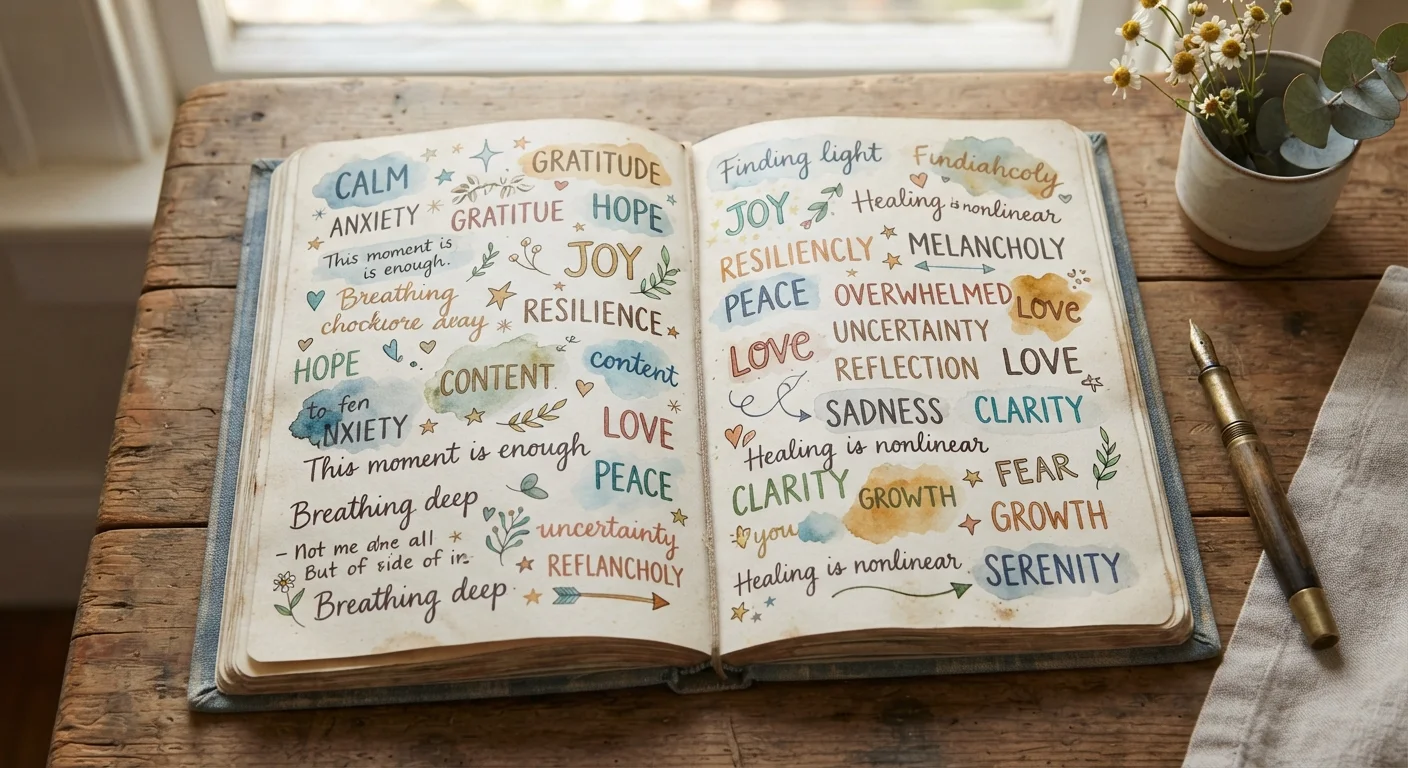
Photo credit: ResultsPoint.net | Find The Required Information
In this article
Expanding your emotional vocabulary helps you communicate feelings more precisely and process them more effectively. A quick-reference guide to common emotion words.
Why Emotional Vocabulary Matters
Most of us were handed a pretty small emotional toolkit growing up. Happy, sad, angry, scared — these broad categories capture the shape of a feeling, but rarely its texture. Research in psychology suggests that the ability to identify and label emotions with precision, sometimes called emotional granularity, is linked to better emotional regulation, stronger relationships, and even improved physical health outcomes.
This isn't about becoming more expressive for its own sake. It's about accuracy. When you can name exactly what you're feeling — not just "stressed" but overwhelmed, or not just "sad" but grief-stricken — you give yourself and others something real to work with. You can ask for the right kind of support. You can make sense of a reaction that previously felt mysterious.
This reference guide is designed to help you expand that vocabulary — not as therapy, but as a practical language resource. For deeper strategies that help you act on what you name, see our guide on everyday habits that support emotional resilience.
| Number of basic emotion categories (Ekman model) | 6 universally recognized (Paul Ekman's foundational research, widely cited in psychology) |
| Emotion words in English | Hundreds of distinct terms (Varies by linguistic analysis; researchers have catalogued 200+ distinct emotional concepts) |
| Concept: Emotional Granularity | Ability to differentiate emotions with precision (Coined by psychologist Lisa Feldman Barrett) |
| Benefit of naming emotions | Reduced emotional intensity ("affect labeling") (Supported by neuroimaging research, UCLA and related labs) |
| Related skill | Emotional regulation (Core component of evidence-based therapies including DBT and CBT) |
A Practical Emotion Word Reference
The glossary below covers emotion words across several families — some familiar, some underused. Each is worth having in your vocabulary because it describes something distinct. Use this as a lookup tool when you're trying to name an experience more precisely.
Ambivalence
Holding genuinely conflicting feelings about the same person, situation, or decision simultaneously. Ambivalence is normal and does not indicate confusion or weakness — it often signals that something matters to you on multiple levels.
Apprehension
A state of low-level anxiety or unease about something anticipated but not yet certain. It sits between mild worry and outright fear, often appearing before new experiences or important events.
Contentment
A quiet, stable sense of satisfaction with the present moment. Unlike excitement or joy, contentment doesn't peak — it's a steady, settled state rather than an intense emotional high.
Dysphoria
A general state of unease, dissatisfaction, or emotional discomfort that is hard to pin to a specific cause. It's broader and flatter than sadness and is often described as a kind of emotional fog.
Elation
An intense, elevated feeling of joy or triumph, typically tied to a specific achievement or event. It tends to be more short-lived than happiness and carries a sense of uplift or momentum.
Grief
The emotional process that follows significant loss — of a person, relationship, identity, or future. Grief is not linear; it can include sadness, anger, numbness, and unexpected moments of relief or even humor.
Longing
A deep, often bittersweet desire for something absent — a person, place, time, or circumstance. Longing is distinct from simple wanting; it usually involves awareness that the desired thing is out of reach.
Overwhelm
The state of having more demands, emotions, or information coming in than you feel capable of processing at once. Overwhelm often presents as a kind of paralysis or shutdown rather than active distress.
Resentment
A lingering, low-grade anger rooted in a felt sense of unfairness, being taken advantage of, or having needs repeatedly unmet. Unlike acute anger, resentment tends to build quietly over time.
Shame
The painful belief that one is fundamentally flawed, bad, or unworthy — as distinct from guilt, which focuses on a specific behavior. Shame tends to be more isolating and harder to address directly than guilt.
Vulnerability
The emotional exposure that comes from being open, uncertain, or emotionally invested in an outcome. It's not a weakness — researchers widely recognize it as a precondition for genuine connection and courage.
Wistfulness
A gentle, tender sadness tinged with affection — typically evoked by memories, nostalgia, or awareness that something meaningful has passed. It differs from grief in being less acute and often coexisting with warmth.
Notice that many of these words describe states that overlap and layer. You can feel wistful and grateful at the same time. Ambivalence and apprehension often travel together. Naming that complexity isn't overthinking — it's honest self-awareness.
If you're looking for ways to process what you name, journaling is a practical starting point that requires no special skills or experience.
How to Actually Use This Vocabulary
Knowing a word and using it fluently are different things. A few approaches that help:
- Pause before defaulting to a vague word. When you catch yourself about to say "fine" or "stressed," take a beat and ask: what's actually the closer match?
- Name emotions in writing. Written language gives you more time to search for precision than speech does. Even a few sentences in a private note can sharpen your sense of what you're carrying.
- Use emotion words descriptively, not as accusations. In conversation, "I felt dismissed" lands differently than "you dismissed me" — the first names your experience, the second assigns blame.
- Accept approximations. You won't always find the perfect word. "Something like frustrated, but quieter" is still more useful than silence.
It's also worth recognizing when naming isn't enough. Venting to a friend has real limits, and some emotional experiences benefit from professional support. If you find certain emotions persistent, intense, or interfering with daily life, speaking with a licensed mental health professional is a worthwhile step.
This Vocabulary Is a Tool, Not a Diagnosis
The emotion words in this guide describe everyday human experiences — not clinical conditions. Using a word like "dysphoria" to describe your mood doesn't mean you have a diagnosis, just as calling yourself "elated" isn't a clinical label. If you're concerned that what you're experiencing goes beyond typical emotional fluctuation, a licensed mental health professional is the right resource to consult.
This article is for informational and educational purposes only and is not a substitute for professional mental health advice, diagnosis, or treatment. If you have concerns about your mental health, please consult a qualified healthcare provider.

Author
Health Editorial Team
Health Editorial Team is the collective byline for our editorial team and contributor network. Articles published under this byline or an editorial pen name are researched, written, and reviewed according to our editorial standards for clarity, consistency, and independence before publication.
View all articles →