
The Pros and Cons of Buying a Fixer-Upper
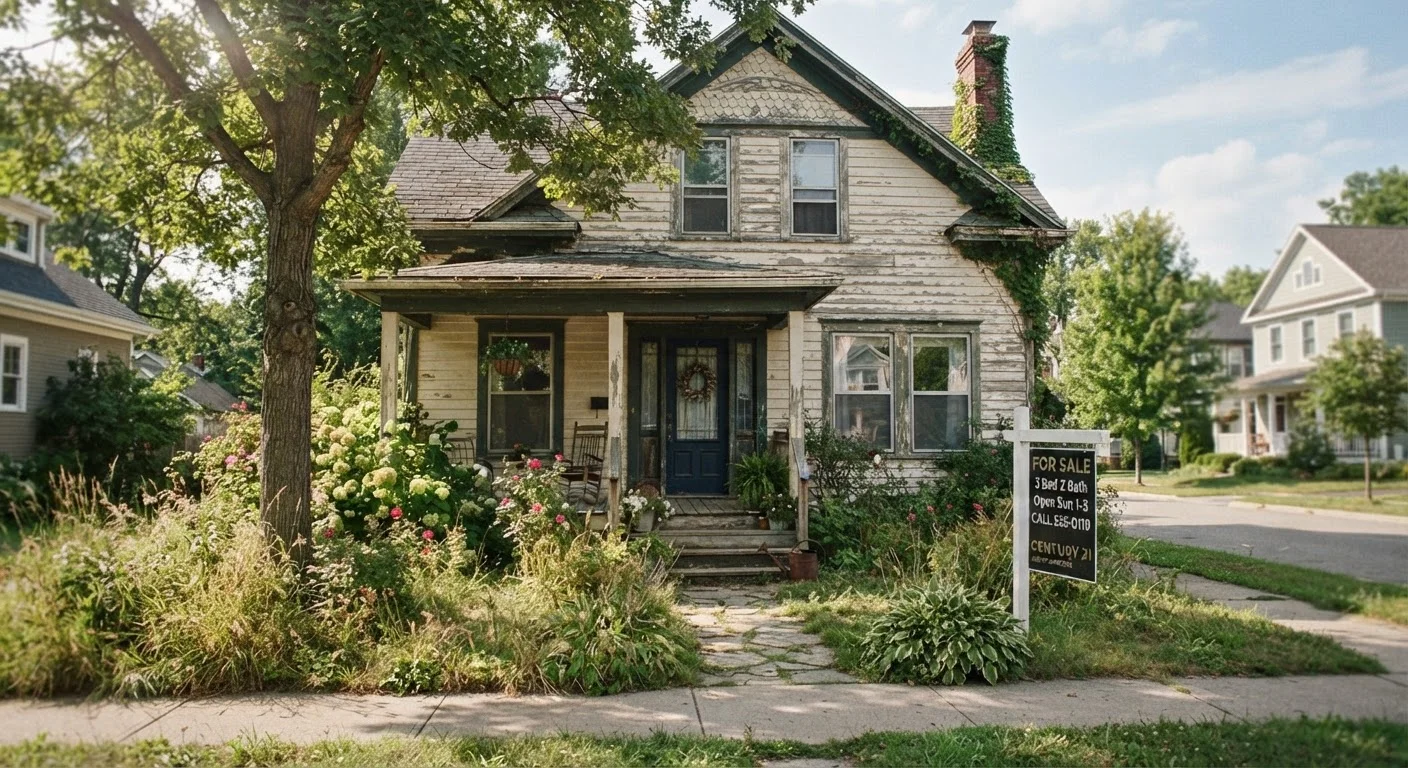
Photo credit: ResultsPoint.net | Find The Required Information
In this article
Fixer-uppers can offer value — or unexpected cost. Here's a balanced look at what you gain and what you take on with a project home.
Key Takeaways
- Fixer-uppers typically sell below market rate, but renovation costs can close that gap quickly.
- Buyers can customize a project home to their taste, but timelines and budgets routinely exceed initial estimates.
- Financing a fixer-upper is more complex than a standard mortgage and requires additional planning.
- A thorough pre-purchase inspection is essential to avoid costly surprises after closing.
Lower purchase price than move-in ready homes
Fixer-uppers typically list below comparable homes in better condition, which can lower the barrier to entry in competitive markets. That gap gives buyers room to invest in improvements while potentially staying within overall budget.
Opportunity to build equity through renovation
Improving a home through targeted renovations can increase its appraised value. If renovation costs stay below the value added, the buyer builds equity faster than through mortgage payments alone.
Ability to customize the home to your taste
Buying a blank slate means design decisions — from layout to finishes — can reflect your preferences rather than a previous owner's choices. This is especially appealing to buyers who have specific visions for their living space.
Less competition from other buyers
Many buyers are unwilling or unable to take on a project home, which reduces bidding competition. This can give buyers more negotiating leverage on price and terms.
Potential access to renovation-specific financing
Certain loan programs, such as FHA 203(k) and Fannie Mae HomeStyle, allow buyers to roll purchase and renovation costs into one mortgage. This can simplify financing compared to taking out separate loans after purchase.
Renovation costs frequently exceed initial estimates
Scope creep, hidden damage, and rising material or labor costs routinely push budgets beyond early projections. Our guide on why renovation estimates go wrong outlines the most common cost drivers to anticipate.
Hidden defects may only surface after purchase
Problems behind walls, under floors, or in aging systems — such as outdated wiring, failing plumbing, or mold — often aren't visible during a standard walkthrough. Even thorough inspections can miss issues that emerge once renovation work begins.
Financing is more complex and restrictive
Lenders may be reluctant to approve standard mortgages on homes in poor condition. Specialized renovation loans have stricter requirements, more paperwork, and can take longer to close than conventional loans.
Project timelines are difficult to predict
Contractor availability, permit delays, material lead times, and discovered complications routinely extend project timelines. Buyers counting on a specific move-in date may face months of unexpected displacement.
Managing a renovation is a significant time commitment
Coordinating contractors, obtaining permits, making design decisions, and overseeing quality requires consistent attention. For buyers without renovation experience, the learning curve can be steep. For guidance on when to hire out versus DIY, see DIY repairs vs. hiring a licensed contractor.
Value gains are not guaranteed
Renovating a home does not automatically produce a return proportional to the money spent. Market conditions, neighborhood comps, and over-improving relative to the area all affect whether renovation investment translates to resale value.
What Is a Fixer-Upper?
A fixer-upper is a property sold in below-average condition — one that requires repairs, updates, or renovations before it's considered fully livable or market-competitive. The term covers a wide range: cosmetic work like new flooring and paint, moderate updates like a kitchen remodel, or major structural and systems work involving roofing, plumbing, or foundations.
Understanding exactly which category a specific property falls into is the most important first step. Two homes listed at the same price with the same "needs TLC" description can involve vastly different scopes of work. Before weighing the pros and cons, a buyer needs a realistic picture of what the home actually requires — ideally from a licensed home inspector and, where structural concerns exist, a structural engineer.
Cosmetic vs. Structural: Know the Difference
Cosmetic issues — dated fixtures, worn carpet, peeling paint — are generally straightforward and budget-friendly to address. Structural or systems problems, such as foundation cracks, knob-and-tube wiring, or a failing roof, are far more costly and can complicate both financing and insurance. Always clarify which category a property falls into before making an offer.
The Pros of Buying a Fixer-Upper
Fixer-uppers offer genuine advantages, particularly for buyers who approach them with clear eyes and solid preparation.
Lower purchase price than move-in ready homes
Fixer-uppers typically list below comparable homes in better condition, which can lower the barrier to entry in competitive markets. That gap gives buyers room to invest in improvements while potentially staying within overall budget.
Opportunity to build equity through renovation
Improving a home through targeted renovations can increase its appraised value. If renovation costs stay below the value added, the buyer builds equity faster than through mortgage payments alone.
Ability to customize the home to your taste
Buying a blank slate means design decisions — from layout to finishes — can reflect your preferences rather than a previous owner's choices. This is especially appealing to buyers who have specific visions for their living space.
Less competition from other buyers
Many buyers are unwilling or unable to take on a project home, which reduces bidding competition. This can give buyers more negotiating leverage on price and terms.
Potential access to renovation-specific financing
Certain loan programs, such as FHA 203(k) and Fannie Mae HomeStyle, allow buyers to roll purchase and renovation costs into one mortgage. This can simplify financing compared to taking out separate loans after purchase.
For a deeper look at how renovation costs can compound, see our guide to what home improvement projects actually cost before you commit.
The Cons of Buying a Fixer-Upper
The challenges of a fixer-upper are real, and some buyers discover them only after closing — which is why understanding the downside is just as important as the upside.
Renovation costs frequently exceed initial estimates
Scope creep, hidden damage, and rising material or labor costs routinely push budgets beyond early projections. Our guide on why renovation estimates go wrong outlines the most common cost drivers to anticipate.
Hidden defects may only surface after purchase
Problems behind walls, under floors, or in aging systems — such as outdated wiring, failing plumbing, or mold — often aren't visible during a standard walkthrough. Even thorough inspections can miss issues that emerge once renovation work begins.
Financing is more complex and restrictive
Lenders may be reluctant to approve standard mortgages on homes in poor condition. Specialized renovation loans have stricter requirements, more paperwork, and can take longer to close than conventional loans.
Project timelines are difficult to predict
Contractor availability, permit delays, material lead times, and discovered complications routinely extend project timelines. Buyers counting on a specific move-in date may face months of unexpected displacement.
Managing a renovation is a significant time commitment
Coordinating contractors, obtaining permits, making design decisions, and overseeing quality requires consistent attention. For buyers without renovation experience, the learning curve can be steep. For guidance on when to hire out versus DIY, see DIY repairs vs. hiring a licensed contractor.
Value gains are not guaranteed
Renovating a home does not automatically produce a return proportional to the money spent. Market conditions, neighborhood comps, and over-improving relative to the area all affect whether renovation investment translates to resale value.
If you're weighing a fixer-upper against a move-in ready home, our article on renting vs. buying trade-offs can help frame the broader decision.
Key Questions to Ask Before You Buy
Before making an offer on a fixer-upper, work through these practical questions:
- What does a full inspection reveal? Don't rely on a seller's disclosure alone. Hire your own licensed inspector — and a specialist for any red flags involving the roof, foundation, or electrical panel.
- Do you have realistic renovation financing in place? Standard mortgages don't cover renovation costs. Loan products such as FHA 203(k) loans or Fannie Mae HomeStyle loans are designed for this, but they come with their own requirements and timelines.
- Can you tolerate the disruption? If you plan to live in the home during renovations, prepare for noise, dust, limited access to kitchens or bathrooms, and extended timelines.
~35%
Fixer-upper buyers who exceed their renovation budget
Industry surveys consistently find that a significant share of renovation projects run over budget, often due to unforeseen structural or systems issues uncovered mid-project.
10–20%
Typical discount vs. comparable move-in ready homes
According to general real estate market analysis, distressed or project homes often sell at a discount relative to updated comparable properties, though the range varies widely by market and condition.
Once you own the property, understanding the difference between repairs that protect value and improvements that add it matters just as much. See renovating to maintain value vs. renovating to increase it for guidance on prioritizing your projects.
This article is for general informational and educational purposes only and is not financial, legal, or investment advice. Consult a licensed real estate professional and a qualified financial adviser before making property or renovation decisions.

Author
Real Estate Basics Editorial Team
Real Estate Basics Editorial Team is the collective byline for our editorial team and contributor network. Articles published under this byline or an editorial pen name are researched, written, and reviewed according to our editorial standards for clarity, consistency, and independence before publication.
View all articles →