
What to Prioritize When Evaluating a Neighborhood
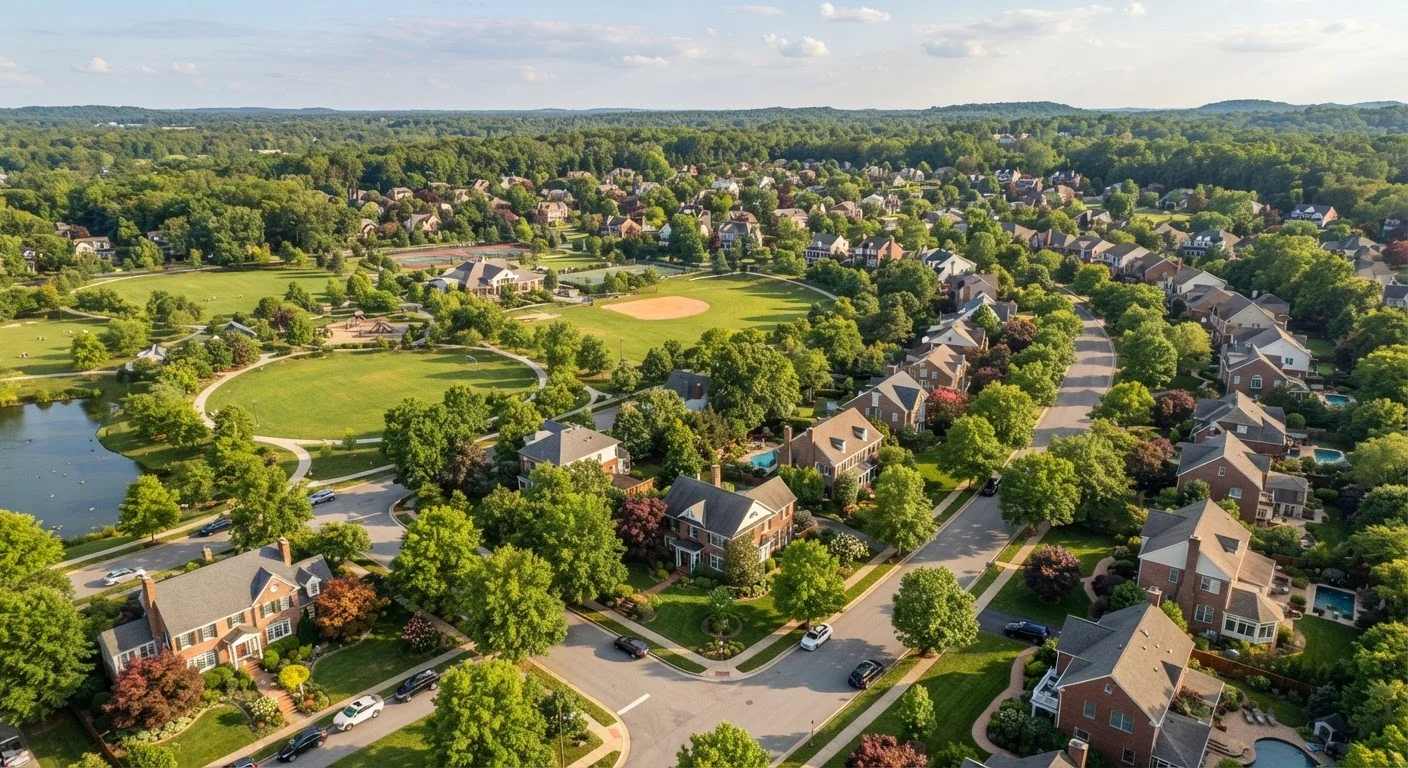
Photo credit: ResultsPoint.net | Find The Required Information
In this article
Beyond the house itself, location shapes daily life and long-term value. Here are the factors worth examining before you commit.
Key Takeaways
- Location shapes daily convenience, safety, and long-term property value — not just curb appeal.
- School district quality affects resale value even for buyers without children.
- Flood zones, zoning rules, and planned developments can significantly impact your future costs.
- Visiting a neighborhood at different times of day gives a far more accurate picture than a single daytime tour.
- Commute times and access to services directly affect quality of life and monthly expenses.
Why Neighborhood Evaluation Matters as Much as the Home Itself
A house can be renovated. A neighborhood is much harder to change. The street you live on influences your daily commute, your sense of safety, your children's school options, and the long-term value of your investment. Before you fall in love with a floor plan, it pays to assess what surrounds it.
If you haven't already taken stock of your financial readiness and goals, see our readiness checklist for buyers before diving into neighborhood research. Knowing what you need from a location makes the evaluation process far more focused.
“People overestimate how much they can change a home and underestimate how much the location will change them. You adapt to a neighborhood far more than it adapts to you.”
— A commonly cited perspective in real estate education, Foundational principle in location-based homebuying guidance
Key Factors to Evaluate Before Committing
No single factor should make or break a neighborhood decision, but the combination of the following considerations gives you a reliable picture of whether a location fits your life and financial goals.
Research the school district, even if you don't have children
School district ratings are consistently tied to property values and buyer demand. Homes in well-regarded districts tend to hold value better during market downturns and attract a broader pool of buyers when you eventually sell.
Check flood zone designation and insurance requirements
Properties in FEMA-designated flood zones may require mandatory flood insurance, which adds a recurring cost that isn't reflected in the list price. Flood risk can also affect long-term insurability as climate patterns shift.
Visit the neighborhood at multiple times of day and week
Traffic volume, noise levels, parking availability, and street activity can look entirely different on a quiet Tuesday afternoon versus a Friday evening or early Saturday morning. Single daytime visits are routinely misleading.
Evaluate commute times under realistic conditions
Map apps often show best-case travel times. Commuting during actual rush hours gives you a true sense of time cost, which directly affects quality of life and can translate into real financial costs like fuel, parking, or transit fares.
Look into planned or approved nearby development
A vacant lot next door or an undeveloped parcel nearby could be approved for a use that changes the character of the block. Checking with the local planning department reveals what's already in the pipeline.
Talk to current residents when possible
Neighbors can offer candid context that data can't — how the street actually feels, whether there are recurring nuisances, what the community is like. Even a brief conversation can surface issues or reassurances no public record provides.
Data Points Worth Researching
Good neighborhood research blends on-the-ground observation with publicly available data. Several factors that have the greatest long-term impact are harder to spot on a walkthrough alone.
~1 in 4
US homes at risk of flood damage
According to the First Street Foundation, roughly one in four US properties faces meaningful flood risk — a figure that exceeds FEMA's official flood zone designations.
77%
Buyers who cite neighborhood quality as critical
The National Association of Realtors' Profile of Home Buyers and Sellers consistently finds the large majority of buyers rank neighborhood quality as equal to or more important than the home's specific features.
Understanding how land is designated for use in the area is also critical. Zoning laws determine whether a neighboring parcel could become a commercial property, whether you can add an accessory dwelling unit, or whether future development nearby is restricted. Check local zoning maps and ask your agent about any pending variances or rezoning applications in the area.
Disclosure Laws Vary by State
Sellers in many states are required to disclose known material defects, but what counts as a required disclosure — including flood history, nearby hazards, or noise issues — differs significantly by state. Always ask your real estate agent what disclosures are legally required in your state, and consider commissioning independent research on issues that matter most to you. Don't rely solely on seller disclosures as a complete picture.
Quick Actions to Take Before Making an Offer
Once you've identified a neighborhood with strong potential, a few targeted actions can either confirm your confidence or surface deal-breaking issues before you're under contract.
Keep in mind that neighborhood quality is just one piece of the long-term ownership picture. How well you maintain the property — and whether improvements add genuine value — also shapes your outcome over time. Our guide on renovating to maintain versus increase value covers how to think about those decisions once you're a homeowner.

Author
Real Estate Basics Editorial Team
Real Estate Basics Editorial Team is the collective byline for our editorial team and contributor network. Articles published under this byline or an editorial pen name are researched, written, and reviewed according to our editorial standards for clarity, consistency, and independence before publication.
View all articles →