
How Zoning Laws Shape What You Can Do With Your Property
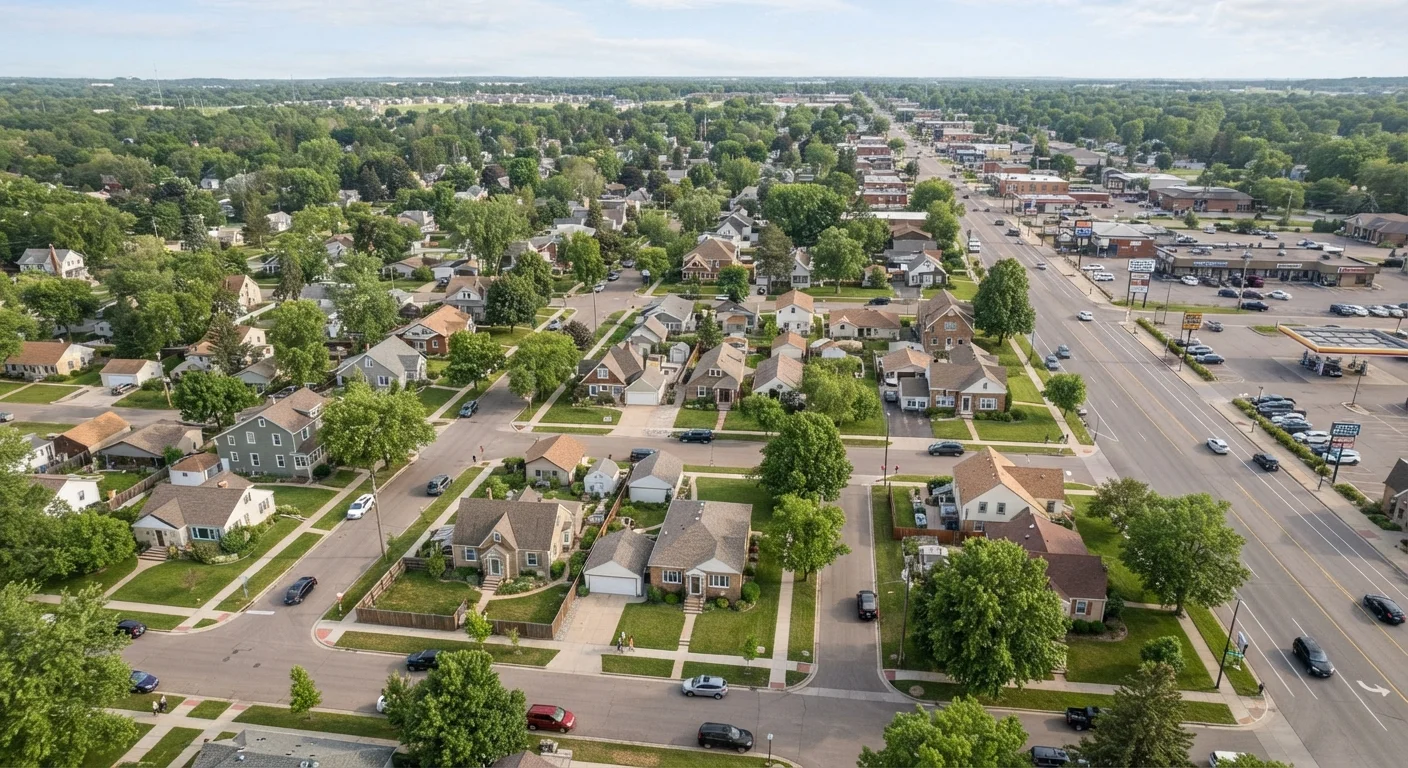
Photo credit: ResultsPoint.net | Find The Required Information
In this article
Zoning affects everything from adding a garage to running a home business. Here's what homeowners should know about local land-use rules.
Key Takeaways
- Zoning laws are local rules that determine what you can legally build or operate on your property.
- Common zone types include single-family residential, multi-family residential, commercial, and industrial.
- Setback requirements, lot coverage limits, and accessory structure rules all fall under zoning.
- Homeowners can sometimes request a variance or rezoning, but approval is not guaranteed.
- Zoning and HOA rules are separate; a property may be subject to both simultaneously.
- Always check your local zoning code before starting a renovation, addition, or home-based business.
What Zoning Actually Controls
When you purchase a home, you're buying a bundle of rights — but those rights have boundaries set by your local government long before you arrived. Zoning ordinances dictate a surprisingly broad range of decisions about your property, including:
- Use: Whether the land can be used for residential living, retail, a restaurant, a warehouse, or some combination of uses.
- Setbacks: How far any structure must sit from your property line, the street, or neighboring buildings.
- Lot coverage: The percentage of your lot that can be covered by buildings or impervious surfaces.
- Building height: Maximum heights for homes and accessory structures like garages or sheds.
- Accessory dwelling units (ADUs): Whether you can legally add a guest suite, garage apartment, or backyard cottage.
These rules exist to manage density, protect neighborhood character, ensure emergency access, and separate incompatible uses — like keeping a chemical plant away from a school. Understanding them before you plan a project can save significant time and money. See our guide to permits and home projects for guidance on when local approvals are required.
Common Zoning Categories and What They Mean
Most jurisdictions organize land into several broad categories, each with its own permitted and conditional uses:
~30,000
Local governments with zoning authority in the US
According to the National League of Cities, thousands of municipalities and counties each maintain their own zoning codes, meaning rules differ significantly from town to town.
75%+
Residential land in many US cities zoned single-family only
Research from urban planning institutions has found that in many large American cities, the majority of residentially zoned land permits only single-family homes, limiting housing density options.
Varies
Variance approval rates by jurisdiction
Approval rates for zoning variances differ widely by municipality and the nature of the request; local zoning boards have significant discretion in their decisions.
- Single-family residential (R-1 or similar)
- Allows one dwelling unit per lot. Typically prohibits multi-unit buildings, commercial activity, and certain outbuildings unless specifically permitted.
- Multi-family residential (R-2, R-3, etc.)
- Permits apartment buildings, duplexes, or townhomes. Density rules determine how many units per acre are allowed.
- Commercial (C zones)
- Ranges from neighborhood retail to large shopping centers. Sub-categories may distinguish between light commercial and heavy commercial uses.
- Industrial (I zones)
- Intended for manufacturing, warehousing, and distribution. Often includes strict rules about noise, traffic, and environmental impact.
- Mixed-use
- Combines residential and commercial uses in the same area or building, common in walkable urban neighborhoods.
When evaluating a property or neighborhood, the surrounding zone designations matter just as much as the one on your own parcel. A home bordering a commercially zoned block faces different long-term conditions than one surrounded by single-family lots. Our article on evaluating a neighborhood before you buy covers this dimension of location research.
When You Want to Do Something Your Zone Doesn't Allow
Zoning codes aren't always a dead end. Homeowners have a few formal options when the rules don't accommodate what they want to do:
Check Before You Build or Change Anything
Many homeowners discover zoning violations only when they try to sell their home or file an insurance claim. Before starting any addition, outbuilding, fence, driveway expansion, or home business, verify compliance with your local zoning code. A five-minute call to your planning department can prevent a much larger problem later.
Variance
A variance is a request for an exception to a specific zoning rule. To qualify, you typically must show that the rule creates an unusual hardship unique to your property — not just that you'd prefer different rules. Local zoning boards review these applications, and approval isn't guaranteed.
Special Use Permit (Conditional Use Permit)
Some uses aren't permitted outright in a zone but may be allowed with conditions. Running a licensed daycare or operating a bed and breakfast in a residential zone might require this type of permit, which usually comes with restrictions attached.
Rezoning
If you want to change the fundamental designation of your parcel, you can petition the local government for a rezoning. This is a more involved process and is typically reserved for larger projects or developments. It requires public notice and hearings, and neighbors can weigh in.
Note that zoning rules are separate from deed restrictions and HOA covenants. Even if your zoning allows something, your HOA may prohibit it — and vice versa. The overview of HOA rules and restrictions explains how these private agreements work alongside public zoning law.
Practical Steps Every Homeowner Should Take
You don't need to become a zoning expert, but a basic familiarity with your property's designation protects you from costly surprises. Here's where to start:
- Look up your zone. Most cities and counties publish interactive zoning maps online. Search by your address to find your designation and the associated rules.
- Read the permitted uses list. Your zone's code section will spell out what is allowed by right, what requires a special permit, and what is prohibited entirely.
- Check setback and height rules before any project. Adding a deck, garage, fence, or ADU? Confirm the dimensions are compliant before buying materials or hiring a contractor.
- Contact your local planning department with questions. Staff are generally available to answer general questions, though they won't provide legal advice.
- Factor zoning into long-term plans. If you're hoping to eventually add a rental unit or convert a space into a studio, confirm local zoning supports that use now — before you count on it as part of your financial planning.
Property ownership involves a long list of ongoing responsibilities. Understanding your local zoning designation is one of the foundational ones. For a broader view of what comes with owning a home over time, see the responsibilities that come with owning property long-term.
This article provides general educational information about zoning concepts and is not legal advice. Zoning rules vary by jurisdiction. Consult a licensed attorney or your local planning department for guidance specific to your property and situation.
Frequently Asked Questions

Author
Real Estate Basics Editorial Team
Real Estate Basics Editorial Team is the collective byline for our editorial team and contributor network. Articles published under this byline or an editorial pen name are researched, written, and reviewed according to our editorial standards for clarity, consistency, and independence before publication.
View all articles →