
What Travel Insurance Actually Covers for Lost or Damaged Luggage
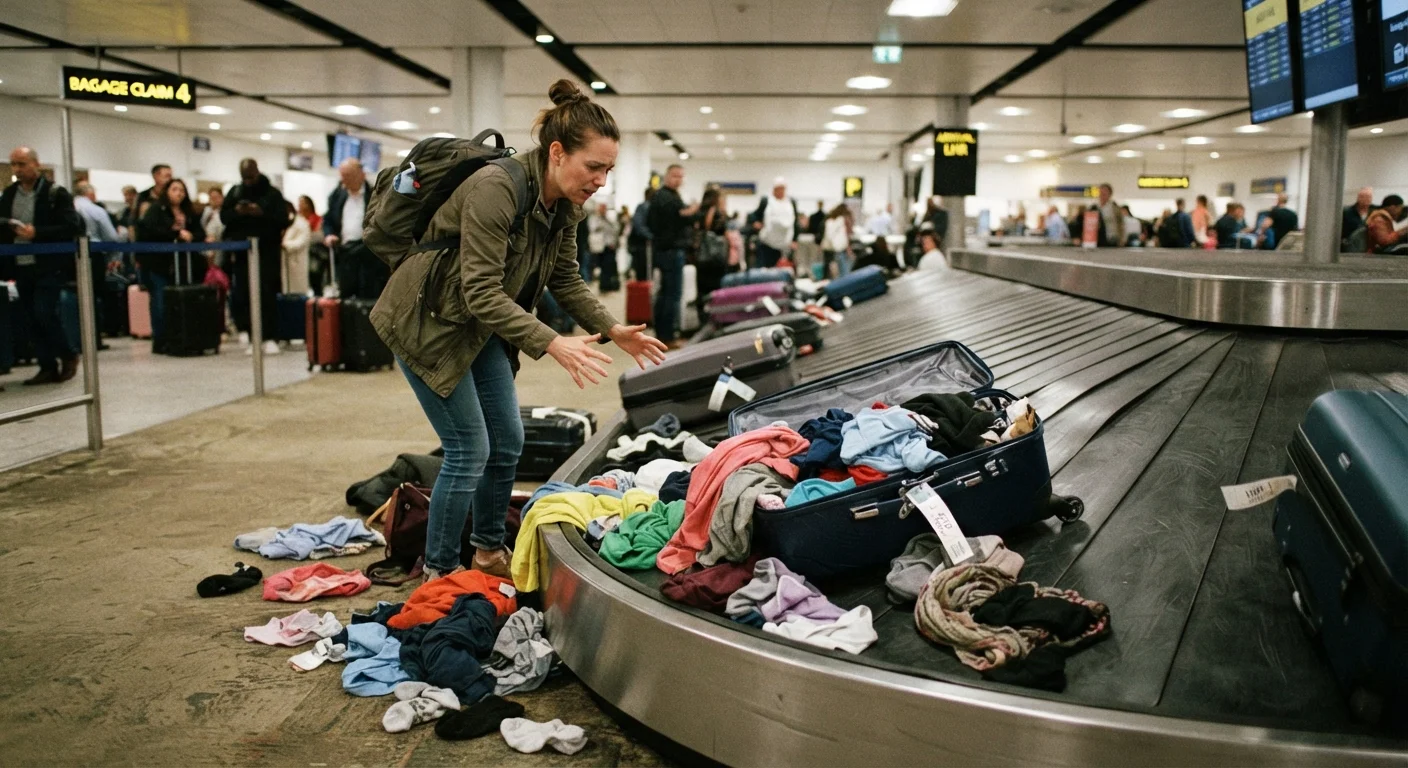
Photo credit: ResultsPoint.net | Find The Required Information
In this article
Luggage claims are one of the most misunderstood parts of travel insurance. Learn what's typically covered, what's excluded, and what to document.
Key Takeaways
- Travel insurance baggage coverage reimburses lost, stolen, or damaged luggage — but limits are often lower than travelers assume.
- Most policies set per-item sublimits that can be well below the item's actual value, especially for electronics and jewelry.
- Airline compensation and travel insurance are separate — you may need to file with both to recover full losses.
- Documentation — receipts, police reports, airline Property Irregularity Reports — is essential for any claim to succeed.
- Baggage delay coverage is a distinct benefit that reimburses emergency purchases when your bag arrives late.
- Reading your policy's exclusion list before you travel is the single most effective way to avoid surprises.
What Baggage Coverage Actually Pays For
Travel insurance baggage coverage is designed to compensate you when your luggage is permanently lost, damaged beyond use, or stolen during a covered trip. Understanding the scope of that protection — and its real-world limits — is the first step to using it effectively.
Most comprehensive travel insurance plans divide baggage benefits into three related but distinct categories:
- Lost baggage: Reimbursement when an airline or carrier officially declares your bag lost, typically after a search period of several days.
- Damaged baggage: Coverage for items rendered unusable by mishandling, though wear-and-tear and fragile items are often excluded.
- Baggage delay: Reimbursement for emergency essentials — clothing, toiletries — when your checked bag is delayed beyond a threshold period, commonly six to twelve hours.
One important distinction: the compensation an airline owes you under federal and international rules is separate from your travel insurance policy. For domestic U.S. flights, airlines have liability limits set by the Department of Transportation. Travel insurance typically requires you to file with the airline first, then covers any remaining gap up to your policy's limit.
~2 per 1,000
Checked bags mishandled per flight segment
According to the U.S. Department of Transportation's Air Travel Consumer Reports, U.S. airlines mishandle approximately 2 bags per 1,000 enplaned passengers, though rates fluctuate year to year.
$3,800
Maximum domestic airline liability for lost bags
The U.S. Department of Transportation sets a ceiling on domestic airline liability for lost or damaged checked baggage; airlines are not required to pay beyond this amount regardless of actual bag value.
Varies widely
Per-item electronics sublimit across policies
Industry reviews of common travel insurance plans show per-item electronics limits typically ranging from $250 to $1,000 — often well below the replacement cost of modern laptops or cameras.
Common Exclusions That Catch Travelers Off Guard
The exclusion list in a baggage policy is often longer than travelers expect. Before you travel, it's worth reading it carefully. Common exclusions include:
- Per-item sublimits: Even if your overall baggage limit is $2,000, individual items — especially electronics, jewelry, and watches — are often capped at $250 to $500 each.
- Valuables and cash: Most policies exclude or sharply limit coverage for cash, tickets, passports, and negotiable documents.
- Fragile or perishable items: Breakage of fragile goods is frequently excluded unless there is documented evidence of carrier mishandling.
- Unattended property: If you left a bag unattended in a public space and it was stolen, many policies will not pay.
- Wear and tear: Pre-existing damage or gradual deterioration is not a covered loss.
Read Your Policy Before You Pack Valuables
Before your trip, pull up your policy's schedule of benefits and look specifically for per-item sublimits and the exclusion list. If you're traveling with jewelry, electronics, or sports equipment, note the exact caps that apply. Knowing these limits in advance lets you decide whether to carry items on board, purchase additional coverage, or leave high-value items at home.
If you carry high-value items, check whether your homeowner's or renter's policy offers a floater for personal property away from home — this can provide broader protection than a travel policy's sublimits allow. For a broader look at how insurance types differ in scope, see our comparison of travel insurance versus medical evacuation coverage.
How to Document a Claim Successfully
Documentation is where many valid claims fall apart. Insurers can reduce or deny payments when supporting evidence is missing or incomplete. If your luggage is lost, damaged, or stolen, take these steps as soon as possible:
- Report to the carrier immediately: File a Property Irregularity Report (PIR) with the airline at the airport before you leave the baggage area. Keep a copy — this is typically required by insurers.
- File a police report for theft: For any stolen property, a local police report is usually mandatory. Obtain the report number and a written copy.
- Photograph the damage: Take clear photos of damaged bags or items as soon as you discover the problem.
- Preserve receipts: Insurers reimburse based on original purchase price (often depreciated), so receipts or proof of value matter. For emergency delay purchases, save every receipt.
- Notify your insurer promptly: Most policies have a reporting window — commonly 20 to 30 days after the incident — and missing it can void your claim.
“The biggest mistake travelers make is assuming travel insurance works like a full-replacement warranty. It's a reimbursement tool with defined limits — and the policy document is the only place those limits are clearly spelled out.”
— Consumer Travel Advocacy Guidance, General principle cited by travel insurance consumer education resources
Choosing what to check versus carry on also affects your risk exposure. Our guide on carry-on vs. checked luggage walks through the trade-offs that influence both convenience and coverage.
This article is for general informational purposes only and does not constitute insurance, legal, or financial advice. Coverage terms vary widely between policies. Always read your policy documents in full and consult your insurance provider before making coverage decisions.
Frequently Asked Questions

Author
Travel Editorial Team
Travel Editorial Team is the collective byline for our editorial team and contributor network. Articles published under this byline or an editorial pen name are researched, written, and reviewed according to our editorial standards for clarity, consistency, and independence before publication.
View all articles →