
Key Emergency Resources Every Traveler Should Know Before Departing
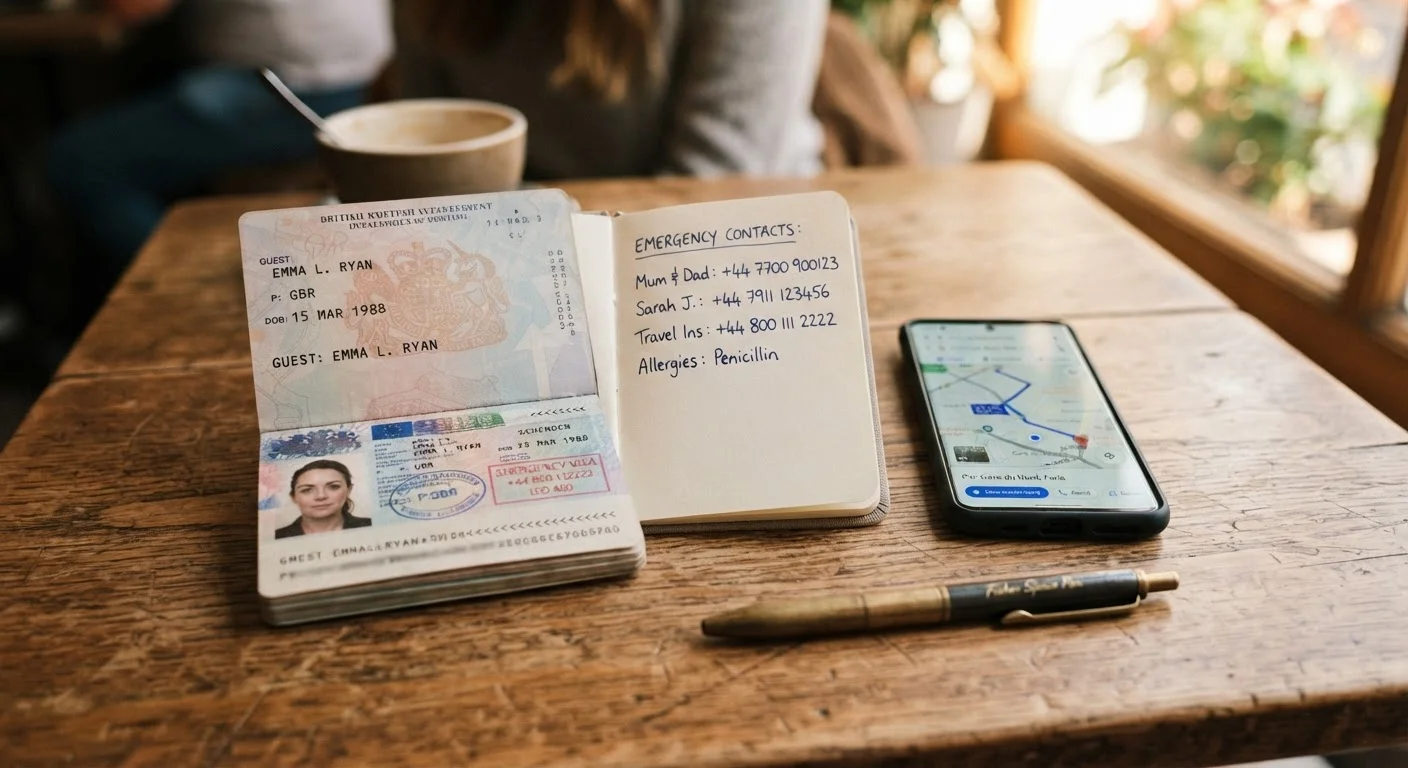
Photo credit: ResultsPoint.net | Find The Required Information
In this article
A quick-reference guide to embassies, emergency numbers, travel registration programs, and crisis hotlines for American travelers.
Why Emergency Resources Belong on Every Pre-Departure Checklist
Most travelers spend hours researching restaurants and attractions, yet overlook a far more consequential task: identifying what to do when something goes wrong. Lost passports, medical emergencies, natural disasters, and civil unrest can interrupt any trip — domestic or international. Having the right contacts and programs in place before you leave gives you a meaningful head start when minutes matter.
This quick-reference guide covers the official resources, registration tools, and emergency numbers that every American traveler should know. For a broader pre-departure checklist, see the pre-departure safety checklist that covers documents, health prep, and more.
| STEP Enrollment URL | travel.state.gov (U.S. Dept. of State) (U.S. Department of State) |
| Universal Emergency Number | 112 (works in most countries worldwide) (International Telecommunication Union) |
| U.S. Domestic Emergency Number | 911 (Federal Communications Commission) |
| State Dept. Advisory Levels | Levels 1–4 (Normal Precautions to Do Not Travel) (U.S. Department of State) |
| Embassy Finder Tool | travel.state.gov/embassy-finder (U.S. Department of State) |
| STEP Cost | Free to all U.S. citizens and nationals (U.S. Department of State) |
Core Emergency Resources for U.S. Travelers
Whether you're crossing a state line or an ocean, these are the foundational resources to know:
The Smart Traveler Enrollment Program (STEP)
STEP is a free service run by the U.S. Department of State that allows American citizens traveling or living abroad to register their trip with the nearest U.S. Embassy or Consulate. Enrolling means the Embassy can contact you in a crisis — natural disaster, civil unrest, or family emergency back home — and helps the State Department account for your safety. Registration takes only a few minutes at travel.state.gov and is strongly recommended for all international travel.
U.S. Embassies and Consulates
If your passport is lost or stolen abroad, you're arrested, or you need emergency financial assistance, your nearest U.S. Embassy or Consulate is your primary point of contact. Look up the address, phone number, and after-hours emergency line for your destination before departure — not after a crisis begins. The State Department's online Embassy Finder lists every U.S. diplomatic post worldwide.
State Department Travel Advisories
The State Department assigns every country a travel advisory level ranging from Level 1 (Exercise Normal Precautions) to Level 4 (Do Not Travel). Check your destination's current level at travel.state.gov before booking and again closer to departure, as conditions can change. Advisory pages also include country-specific safety tips, entry requirements, and local emergency contacts.
STEP (Smart Traveler Enrollment Program)
A free U.S. State Department service that lets American travelers register their international trips with the nearest Embassy or Consulate, enabling contact during emergencies or crises abroad.
Travel Advisory
An official government assessment of safety conditions in a foreign country, rated on a scale to help travelers make informed decisions. Levels can change with evolving political or environmental conditions.
Consulate
A smaller diplomatic office, typically located in major cities outside a country's capital, that provides consular services such as passport assistance, notarial services, and citizen welfare support.
Medical Evacuation (Medevac)
Emergency transport of an injured or ill traveler to an appropriate medical facility, often via air ambulance. This service is typically covered under specialized travel insurance policies and can be very costly without coverage.
Travel Insurance
A policy that can cover financial losses related to trip cancellation, medical emergencies, lost baggage, or evacuation while traveling. Coverage terms and exclusions vary significantly between providers.
International Emergency Numbers
The universal emergency number 112 works in most countries and connects to police, fire, or medical services. In the United States, 911 remains the standard. However, many countries maintain separate numbers for police, ambulance, and fire services. Research your destination's specific numbers and store them in your phone before you fly. The U.S. Embassy page for your destination typically lists local emergency contacts.
Additional Safety Nets Worth Knowing
Beyond the State Department resources, a few other tools round out a solid emergency preparedness plan.
Travel Insurance and Medical Evacuation Coverage
Travel insurance can cover trip cancellation, medical expenses abroad, and emergency evacuation — costs that can reach tens of thousands of dollars without coverage. Policies vary widely, so review coverage terms carefully and confirm what documentation is required to file a claim. Keep your policy number and the insurer's 24-hour emergency line accessible at all times during your trip.
Your Bank's International Fraud and Emergency Line
Contact your bank before departing to notify them of travel dates and destinations. Most major banks offer a 24-hour international customer service line to freeze accounts, replace cards, or facilitate emergency cash transfers. Store this number separately from your wallet in case your card is stolen. For general context on maintaining a financial safety net for unexpected situations, see how emergency funds work.
Local Crisis Hotlines and Consular Networks
Many countries operate national crisis hotlines for medical emergencies, mental health support, or victim assistance. Research these before arrival — your destination's tourism authority website or U.S. Embassy country page is a good starting point. Fellow travelers taking their first international trip will also benefit from reviewing foundational travel safety habits to build confidence alongside this resource list.
Store Emergency Info in Multiple Places
Don't rely solely on your smartphone to access emergency numbers and insurance details — phones can be lost, stolen, or run out of battery. Write key numbers on a small card kept in a separate bag, share a copy with a trusted contact at home, and store digital backups in a secure cloud location. For more habits that reduce risk abroad, see strategies experienced travelers rely on.
This article is for general informational purposes only. Always verify entry requirements, travel advisories, and emergency contact details with official government sources before departing, as conditions and regulations may change.

Author
Travel Editorial Team
Travel Editorial Team is the collective byline for our editorial team and contributor network. Articles published under this byline or an editorial pen name are researched, written, and reviewed according to our editorial standards for clarity, consistency, and independence before publication.
View all articles →